

`byzantine-empire` Related Article Results
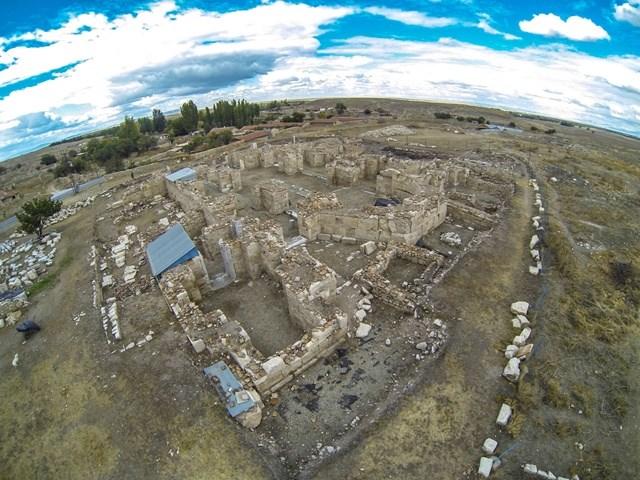
Ancient City of Amorium
The Ancient City of Amorium is an archaeological settlement located within the boundaries of Hisar Neighborhood of the town of Davulga, in the district of Emirdağ, Afyonkarahisar Province, Turkey. Situated in the region of Phrygia during Antiquity, Amorium is a significant settlement that bears the traces of seven different civilizations, from the Hittites to the Ottomans, and has witnessed approximately 4,000 years of uninterrupted habitation. The city is divided into two main sections: the Low
EN
Melahat Pamuk
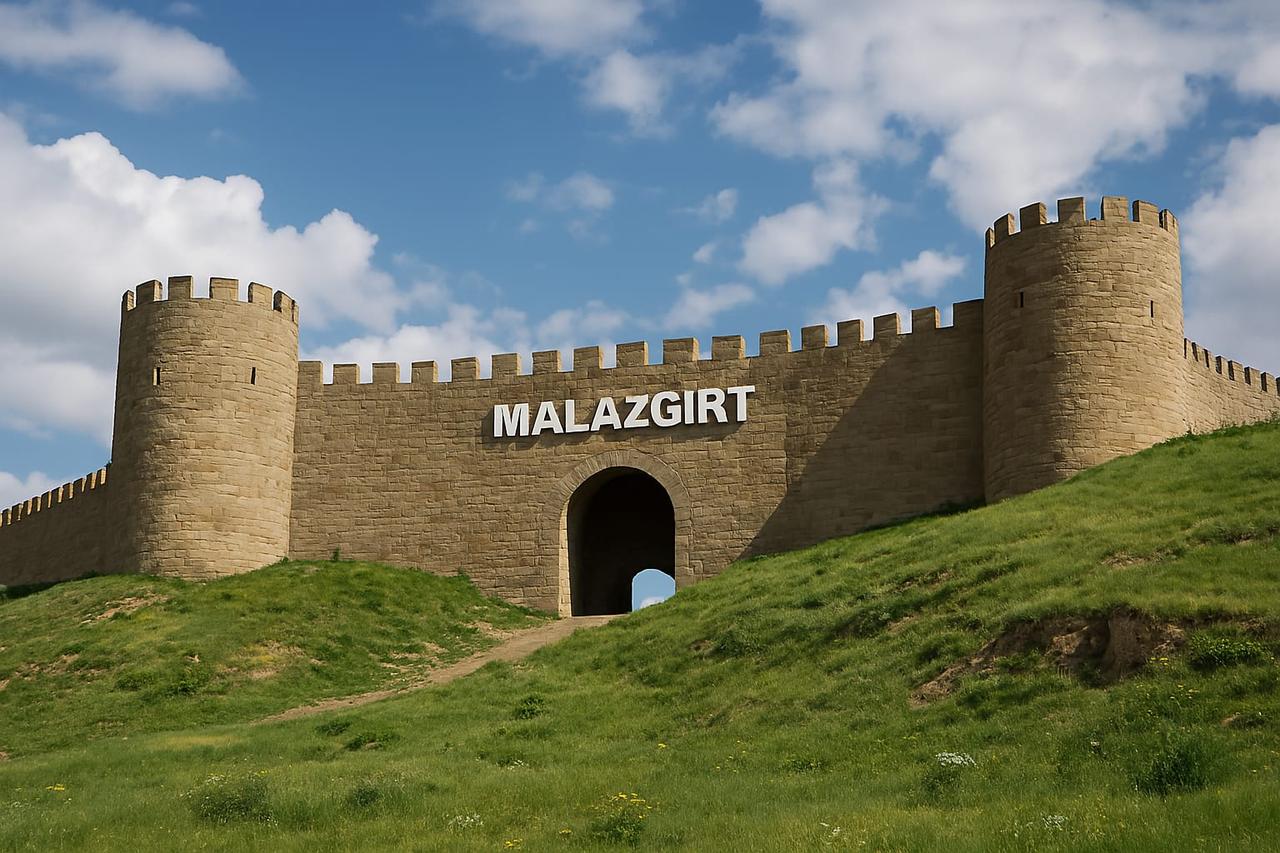
Muş Malazgirt Castle
Malazgirt Castle is a historical structure located within the boundaries of Muş province in the Eastern Anatolia region of Türkiye. This castle served as the site of the Malazgirt Field Battle, which took place in 1071 and is one of the turning points in Turk history. This victory, won by Seljuk Sultan Alp Arslan against Byzantine Emperor Romanos IV Diogenes, became one of the foundational stones in the Turkification process of Anatolia. The castle’s association with this battle makes it an impo
EN
Zehra Yayla
 10
101071 Malazgirt-Ahlat Festivals
The Malazgirt Victory Ahlat Festivals take place annually during the last days of August in the Çarho locality of Ahlat district. Held at the Ahlat National Garden, Türkiye’s second-largest national garden, the festival features various activities recreating the era of the battle. Festival Area (AA) " image-alternate="" image-element-format="right"> Festival Meaning and Significance The Battle of Malazgirt, fought in 1071 on the Malazgirt Plain between the Great Seljuk State and the Byzantine
EN
Selin Nisa Baykar
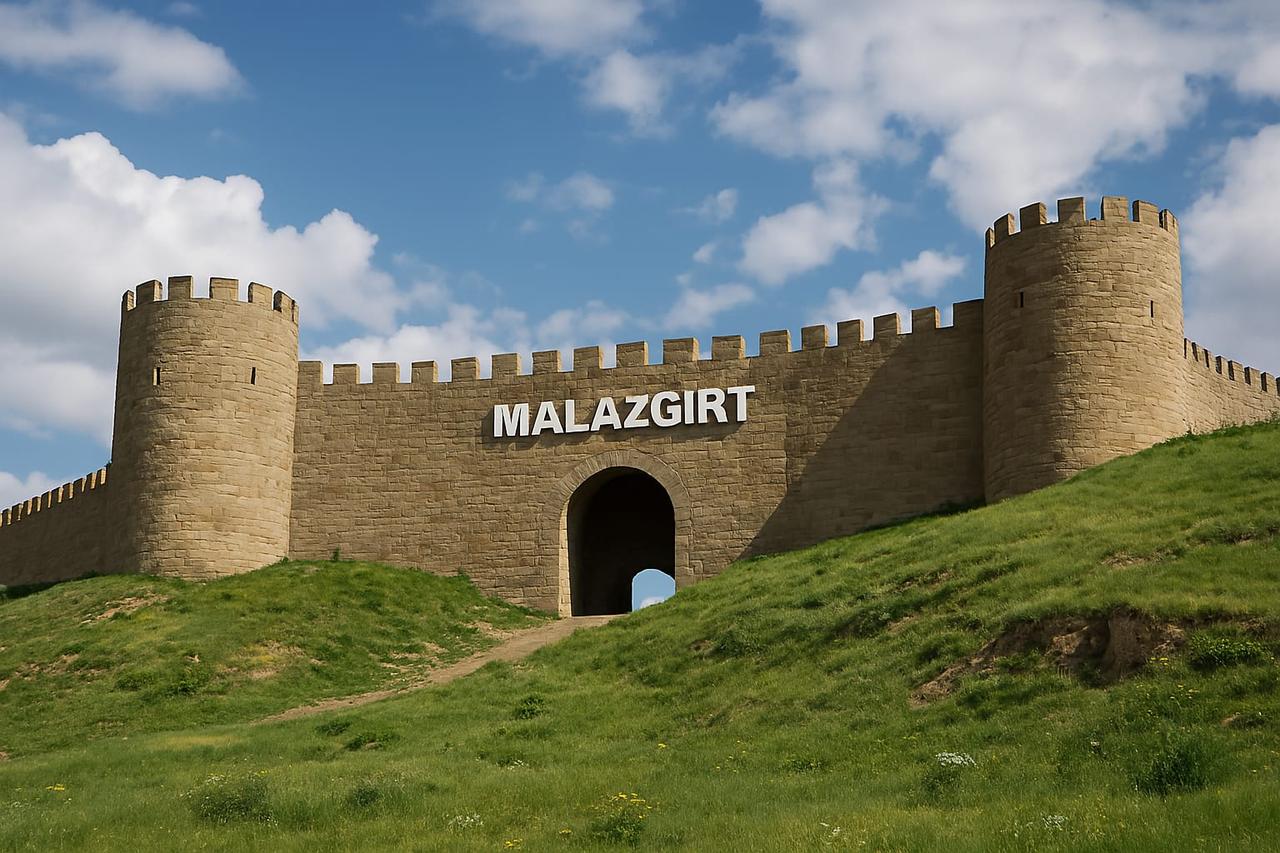
Muş Malazgirt Castle
Malazgirt Castle is a historical structure located within the boundaries of Muş Province in Türkiye's East Anatolia Region, on Muş territory. This castle was the site of the Battle of Manzikert in 1071, one of the pivotal moments in Turkish history, to which Battle of Manzikert laid claim. This victory, won by Seljuk Sultan Alp Arslan against Byzantine Emperor Romanos IV Diogenes, became one of the foundational stones in the Turkification process of Anatolia. This interest in the castle is signi
EN
Zehra Yayla
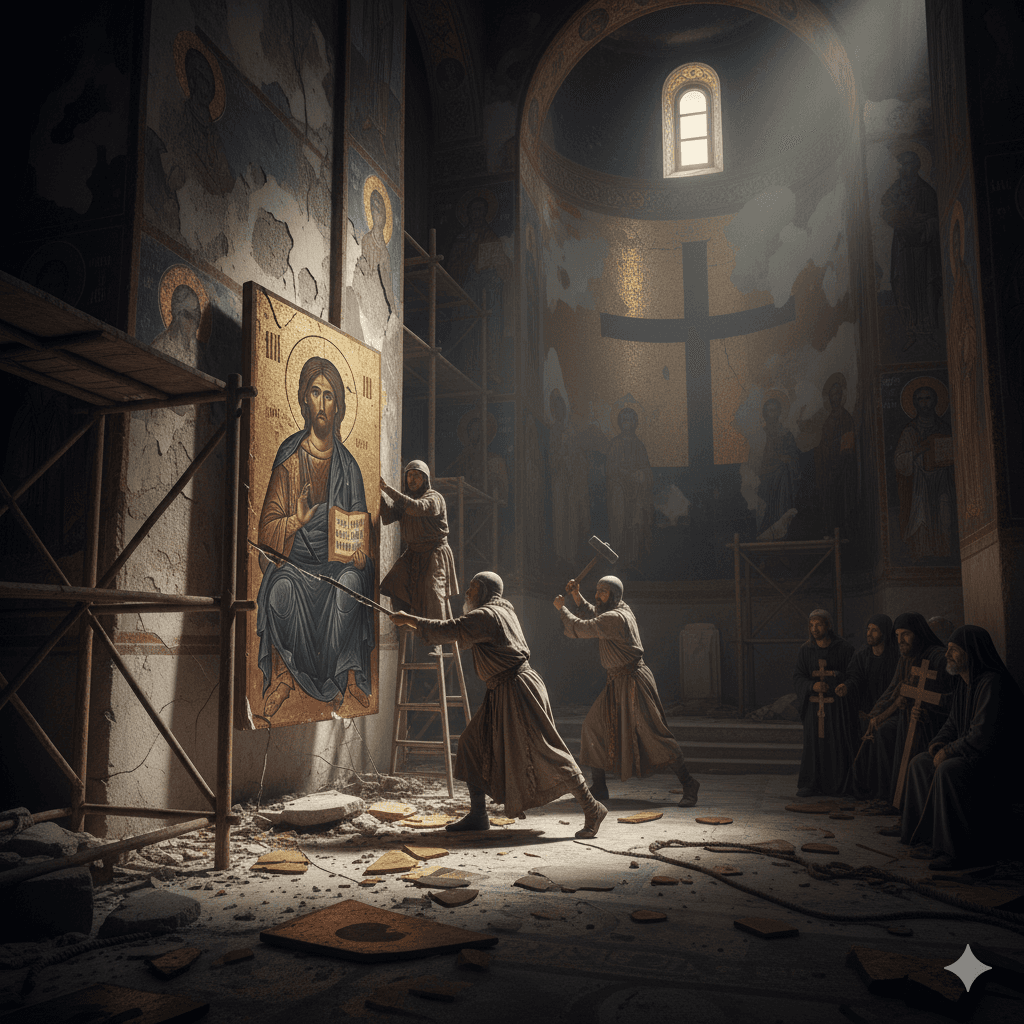
Iconoclasm
Iconoclasm (Greek: Εἰκονοκλασία, Eikonoklasia) is the term given to the period between 726 and 843 in the Byzantine Empire during which religious images (icons) were banned and destroyed. Although this movement appeared fundamentally as a religious reform, it was a complex process closely tied to the political, military, social, and economic challenges of the time. This approximately 120-year period is studied in two main phases, separated by interruptions. Those who supported iconoclasm were ca
ENYunus Emre Yüce
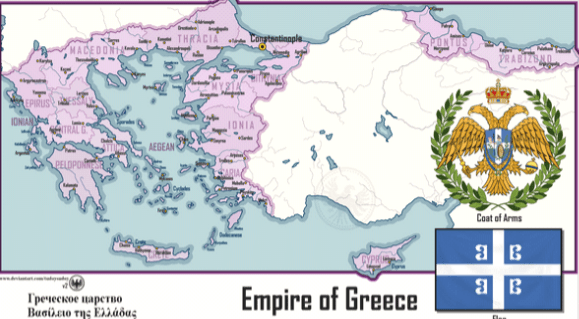
Megali Idea
Megali Idea, in Greek, means “Great Idea,” “Great Ideal,” or “Great Aspiration.” This concept formed the core ideological framework of modern Greek nationalism, aiming to shape Greece’s national identity, expand its territory, and establish historical and cultural continuity. It was first formally articulated in 1844 by Ioannis Kolettis, then Prime Minister of Greece, in the Greek Parliament. According to Kolettis, the Kingdom of Greece was the smallest and oldest part of the Hellenic nation; al
EN
Yahya B. Keskin