

`buddhism` Related Article Results
 Re
ReReligion in Asia
Asia is the largest and most populous continent in the world and has been the birthplace of many major religious belief systems throughout history. This continent is both a region with a large number of religious tradition and a place where these traditions have interacted across different geographies. The major religions practiced in Asia include Hinduism Buddhism Islam Christianity Taoism Confucianism Shintoism Sikhism Jainism Zoroastrianism Korean Shamanism and Judaism. Spread and Diversity o
EN
Bahar Dişlik
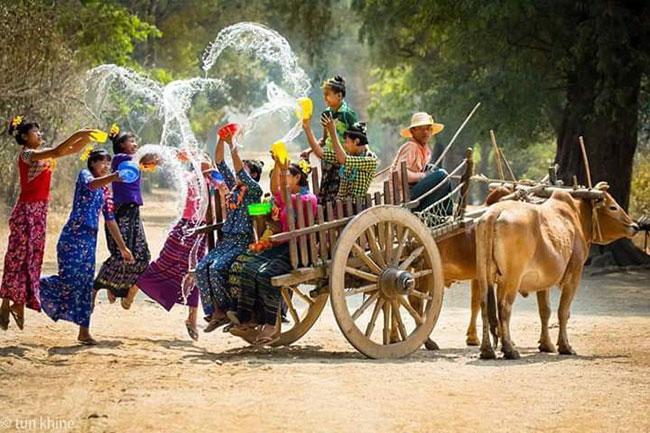
Atã Thingyan Festival
Thingyan (officially Atā Thingyan) is Myanmar’s traditional New Year Water Festival. One of the country’s oldest and most widespread cultural events, the festival centers on the themes of purification, renewal, and social unity as the new year begins. For the people of Myanmar, Thingyan is not merely a calendrical transition; it is a collective cultural practice symbolizing the cleansing of past year’s misfortunes and preparation for a fresh start. In this sense, the festival holds a place in My
EN
Fatma Fırat
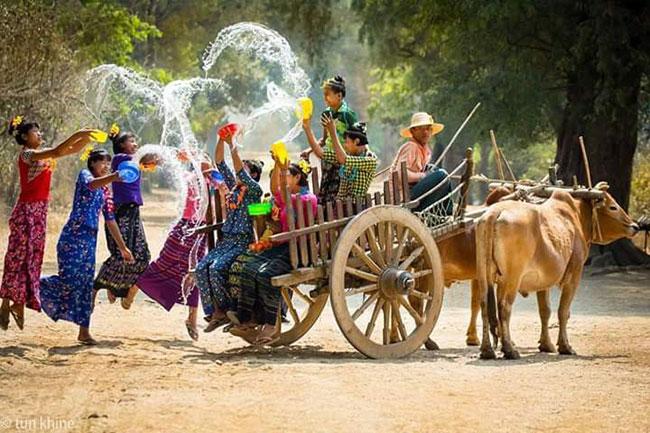
Atã Thingyan Festival
Thingyan (officially Atā Thingyan), is the traditional Water Festival of the New Year in Myanmar. One of the country’s oldest and most widespread cultural events, the festival centers on the themes of purification, renewal, and social unity as the new year begins. For the people of Myanmar, Thingyan is not merely a calendrical transition but a collective cultural practice symbolizing the symbolic cleansing from the negativity of the past year and preparation for a fresh start. In this sense, the
EN
Fatma Fırat
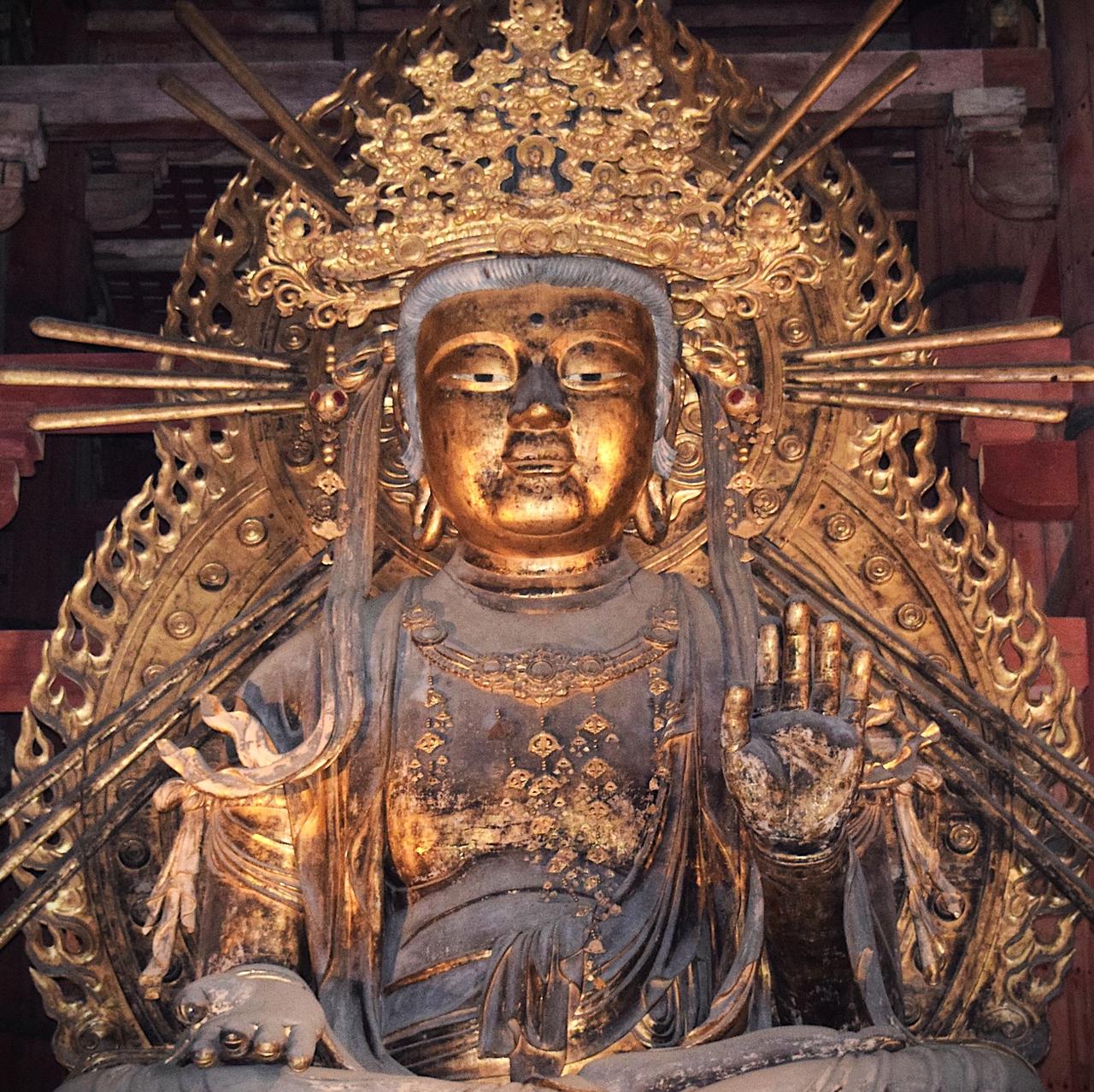
Buddhism
Buddhism is one of the world’s major religions and philosophical systems, originating in the Indian subcontinent in the 6th century BCE with the teachings of Siddhartha Gautama, known as the Buddha (“the awakened one”). It encompasses a complex system of spiritual doctrines, ethical precepts, meditative practices, and cultural traditions aimed at overcoming suffering (dukkha) through insight, moral discipline, and liberation from the cycle of birth and rebirth (saṃsāra). Historical Development a
EN
Ömer Faruk Bilcan
JaJapanese Philosophy
Japanese philosophy possesses a rich intellectual background extending beyond written philosophical texts. This historical process was shaped by the interaction of indigenous belief systems with Chinese-derived philosophical and religious currents. Early Japanese thought represented a worldview expressed through non-written rituals, myths, and poetic narratives. In this context, the relationship established with nature, ancestors, and the sacred formed the foundation of Japanese thought. Histori
EN
Aslı Öncan
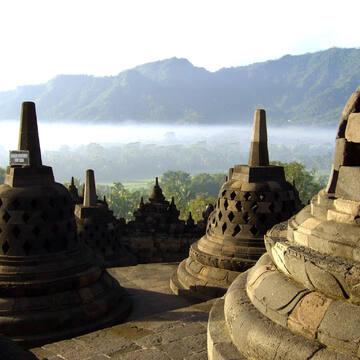
Borobudur Temple
Borobudur Temple is located in the Kedu Valley of Central Java, Indonesia. The temple was constructed during the reign of the Sailendra Dynasty between the 8th and 9th centuries. The site lies at the confluence of the Elo and Progo rivers and forms a natural temple plateau surrounded by mountains and volcanic terrain. It is widely regarded as a sacred structure designed in accordance with Mahayana Buddhist teachings to symbolize the universal order. Architectural Structure and Cosmological Signi
EN
Neriman Çalışkan
JaJapanese New Religious Movements
Japanese New Religious Movements is a term used to describe various religious groups that emerged in Japan from the mid-19th century onward, distinguishing themselves from traditional institutional religions such as Shinto and Buddhism. These movements attract attention through features such as their early emergence compared to Western examples, their emphasis on popular beliefs, syncretic structures, and focus on spirituality. Definition and Terminology New religious movements are employed in a
ENYunus Emre Yüce
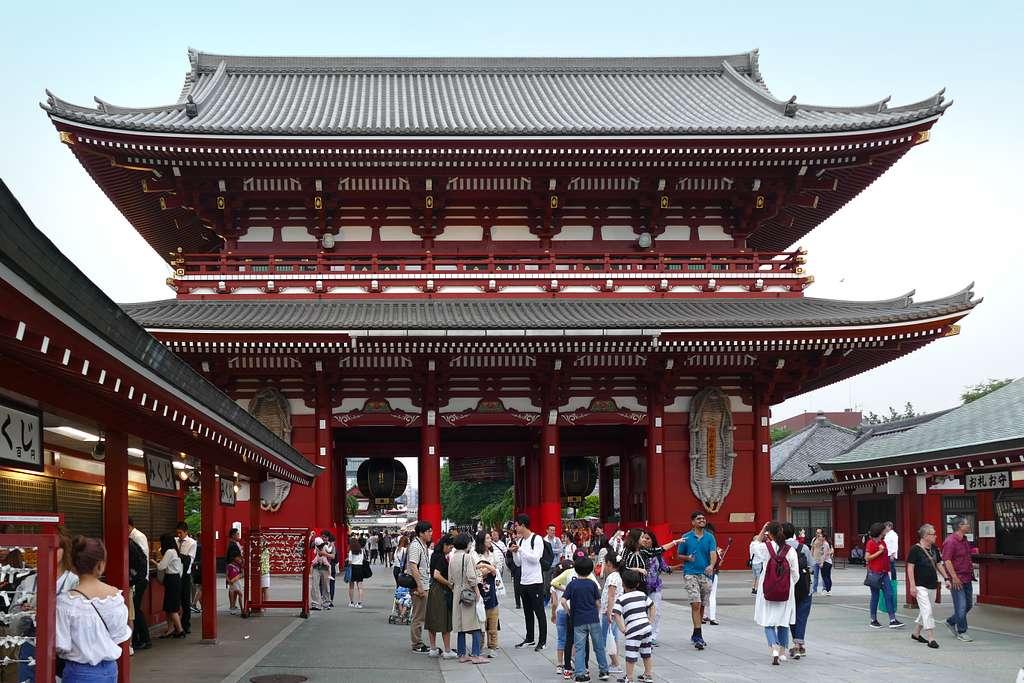
Senso-ji Temple
Senso-ji Temple is known as the oldest Buddhist temple in Tokyo, the capital of Japan, located in the Asakusa district. The temple is dedicated to Avalokitesvara Bodhisattva (Sho Kanzeon Bosatsu), who represents the compassion of all Buddhas, and is popularly known as Asakusa Kannon. It belongs to the Sho Kannon Sect. This major center of religious belief in Japan attracts an average of 30 million visitors each year. Historical Development of Senso-ji Temple The history of Senso-ji Temple dates
EN
Nursena Şahin
ReReligion in Asia
Asia is the largest and most populous continent on Earth and has been the birthplace of many major religious belief systems throughout history. This continent is both a region with numerous religious traditions and a place where these traditions have interacted across different geographies. The major religions practiced in Asia include Hinduism Buddhism Islam Christianity Taoism Confucianism Shintoism Sikhism Jainism Zoroastrianism Korean Shamanism and Judaism. Spread and Diversity of Religions
ENBahar Dişlik
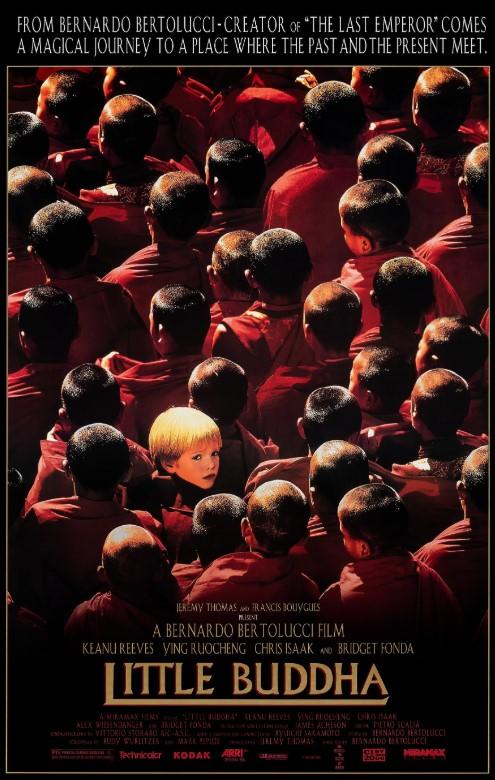
Little Buddha (Film)
Little Buddha is a 1993 film that combines a dramatized portrayal of the life and teachings of Siddhartha Gautama, the founder of Buddhism, with fictional elements. Directed by Bernardo Bertolucci, the film begins with a group of American children being chosen by Buddhist monks as potential candidates for the reincarnation of a Lama. The narrative follows both the spiritual journey of modern-day characters and the historical story of Buddha in parallel. As a cinematic representation of Buddhism
EN
Büşranur Akpınar