

`bridge` Related Article Results
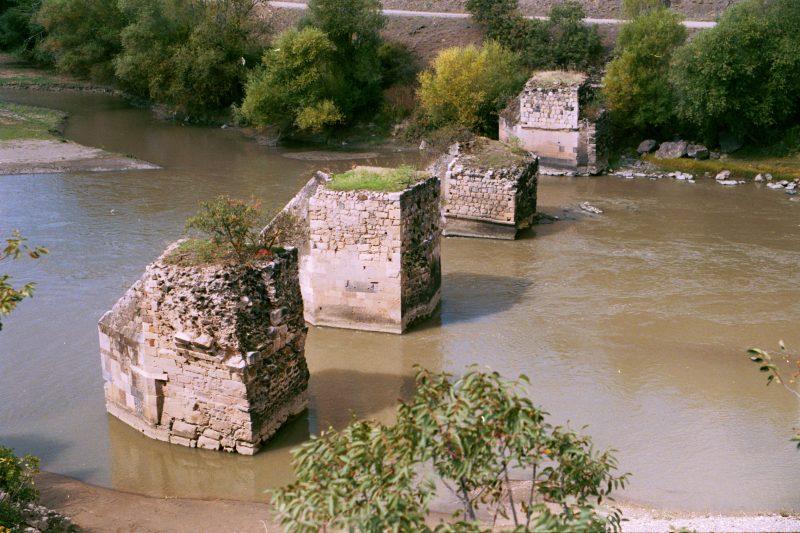
Boğazkesen Bridge
Kelkit and Tozanlı meet at the location where the Boğazkesen Köprüsü was constructed, serving as a historically significant crossing point for the Amasya-Niksar connection strategic. With its distinctive architectural structure bridge, the bridge bears traces of various civilizations from different periods. Boğazkesen köprüsü - Erbaa Municipality " image-alternate="" image-element-format="right"> History The Boğazkesen Köprüsü was built during the Roman Empire period at the confluence of the
EN
Muhammet Ali Demir
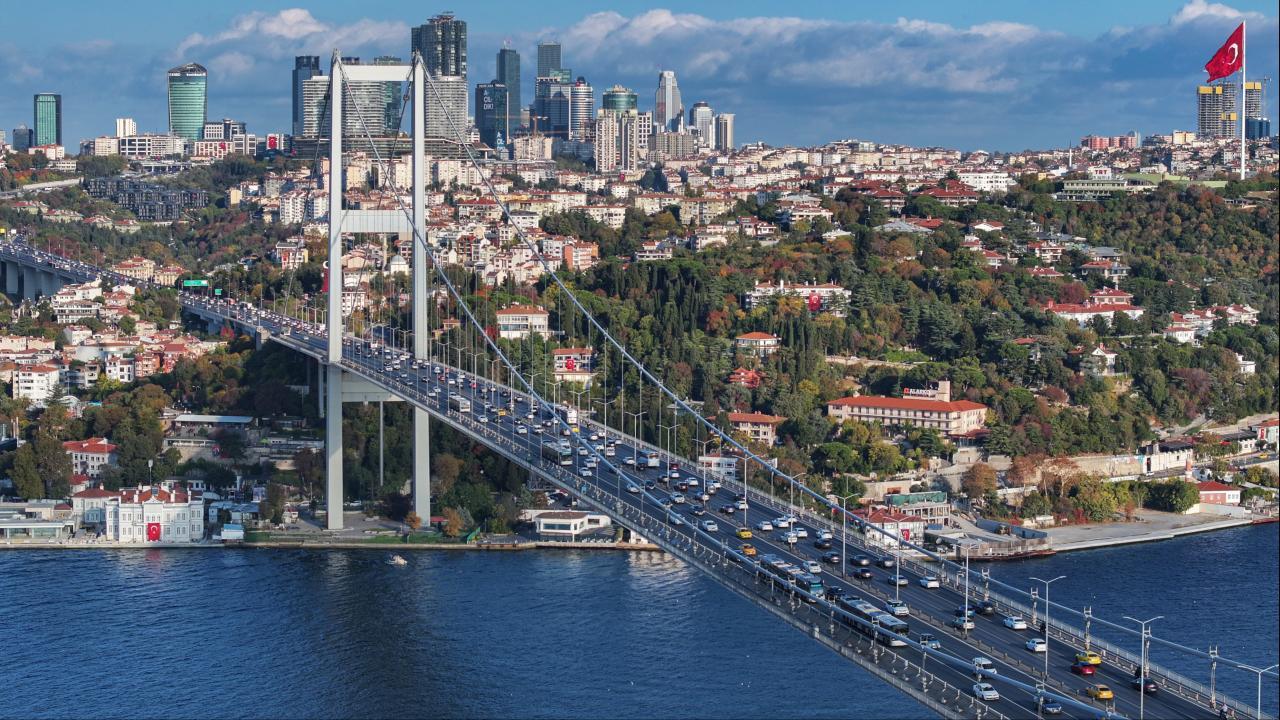
Fatih Sultan Mehmet Bridge
Fatih Sultan Mehmet Bridge is the second suspension bridge over the Bosphorus in Istanbul. Constructed after the Bosphorus Bridge, this bridge connects the Hisarüstü neighborhood on the European side with the Kavacık neighborhood on the Asian side. Its foundation was laid in 1985 and construction was carried out by an international consortium comprising companies from Japan and Türkiye. The bridge was inaugurated on 3 July 1988 by then President Kenan Universe. Technical Specifications: Bridge T
EN
Ahmet Taha Doğan

Tahar Bridge
Tahar Bridge is a stone bridge located in the Çemişgezek district of Tunceli, approximately two hundred years old. It was constructed in 1807 during the Ottoman period by Yusuf Ziya Pasha. For this reason it is also referred to in some sources as the “Yusuf Ziya Pasha Bridge.” The bridge was built entirely by the handwork of master stonemasons and has remained standing since its construction. Where Is It Located? The bridge spans the Tahhar Stream, approximately three kilometers from the center
EN
Yusuf İslam Tuğla
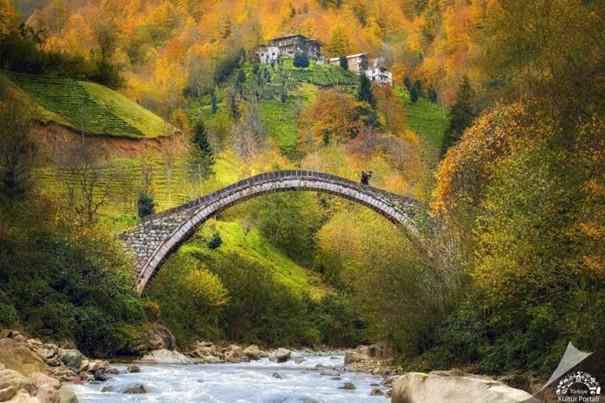
Kaptanpaşa Bridge
Kaptanpaşa Bridge is a historical arch bridge located in the Çayeli district of Rize province, Türkiye. The bridge has a single span with a round arch and shows differences in the use of materials in its architecture. While cut stone was used in the arch and railing sections of the bridge, irregular rubble stone material was preferred in other parts and in the pavement of the bridge road. Extending in an east–west direction, Kaptanpaşa Bridge has a length of 26 meters and a width of 2.40 meters.
EN
Ömer Faruk Mamat

Eğri Köprü - Sivas
Eğri Köprü is a historical stone bridge located within the boundaries of Kardeşler Neighborhood, southeast of Sivas. The bridge spans the Kızılırmak River and is a highly valuable structure from the Seljuk period. It is situated only 3 kilometres from the city center. The bridge derives its name from its curved structure; unlike other bridges, it is not straight but bends approximately 45 degrees to the left from its midpoint. This feature makes it both striking and an original example of archit
ENYusuf İslam Tuğla

Lower Bridge - Tunceli
Aşağı Köprü is an ancient stone bridge located in the Çemişgezek district of Tunceli, spanning the Tağar Çayı. Although no longer used by vehicles, this structure attracts the interest of children through its historical significance and the natural beauty surrounding it. History of the Bridge Aşağı Köprü is known to have been constructed in 1203. At that time, the bridge served to connect the center of Çemişgezek with villages to the south. People crossed it with their animals, goods, and trade
ENYusuf İslam Tuğla

Bridges from Spiderwebs
Long before the sky turned cloudy and the earth was stained with blood and suffering, in an age when stars shone brightly and spirits were pure, there stood a city at the foot of the highest mountain. The city was called Havsala. During the day, its inhabitants were bathed in sunlight; at night, they found their way by moonlight. The people of Havsala survived by cultivating crops and using meat, milk, and hides from their animals. Nearly all homes were simple, single-story structures built of w
EN
Onur Çolak
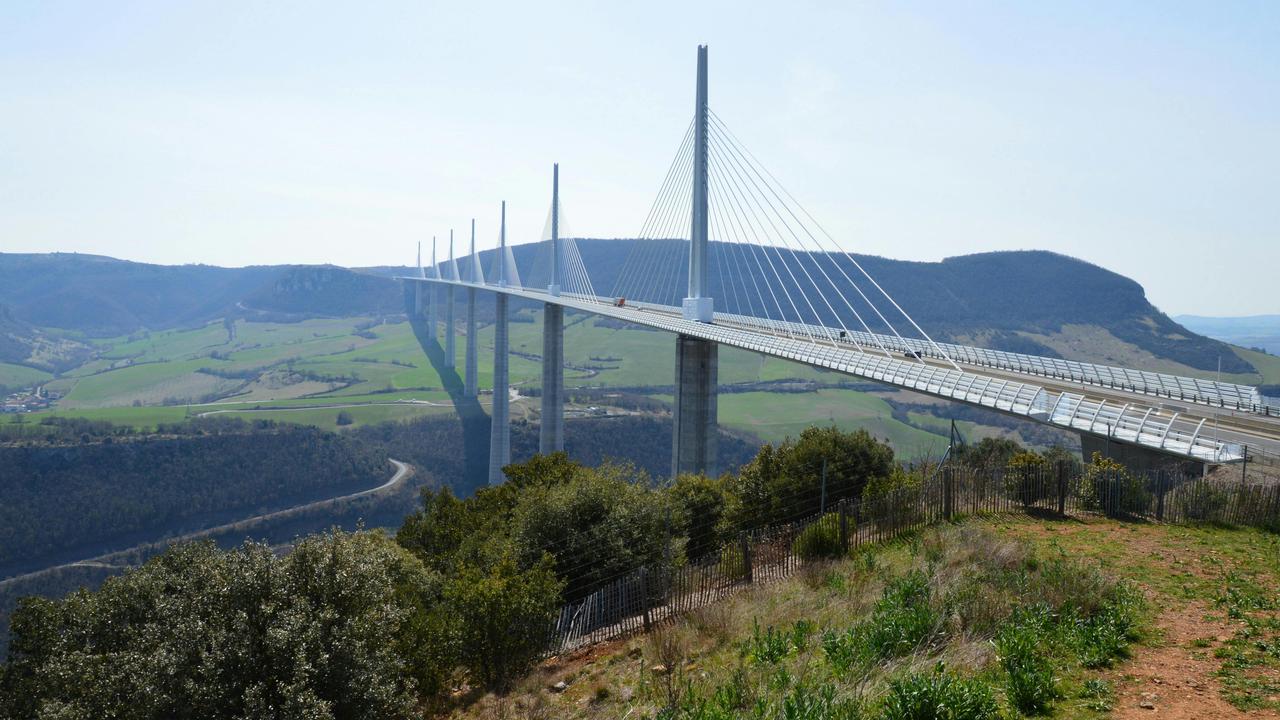
Millau Viaduct
Millau Viaduct is a multi-span cable-stayed highway bridge located over the Tarn Valley in the Occitanie region of France. It forms the most critical crossing on the A75 highway, enabling uninterrupted travel between Clermont-Ferrand and Béziers. The structure, which connects the two sides of the valley with a slender steel deck supported by tall concrete piers, has been a symbolic representation of modern engineering and architectural design since its opening. Architectural Design The design of
EN
Fatmanur Mavibaş
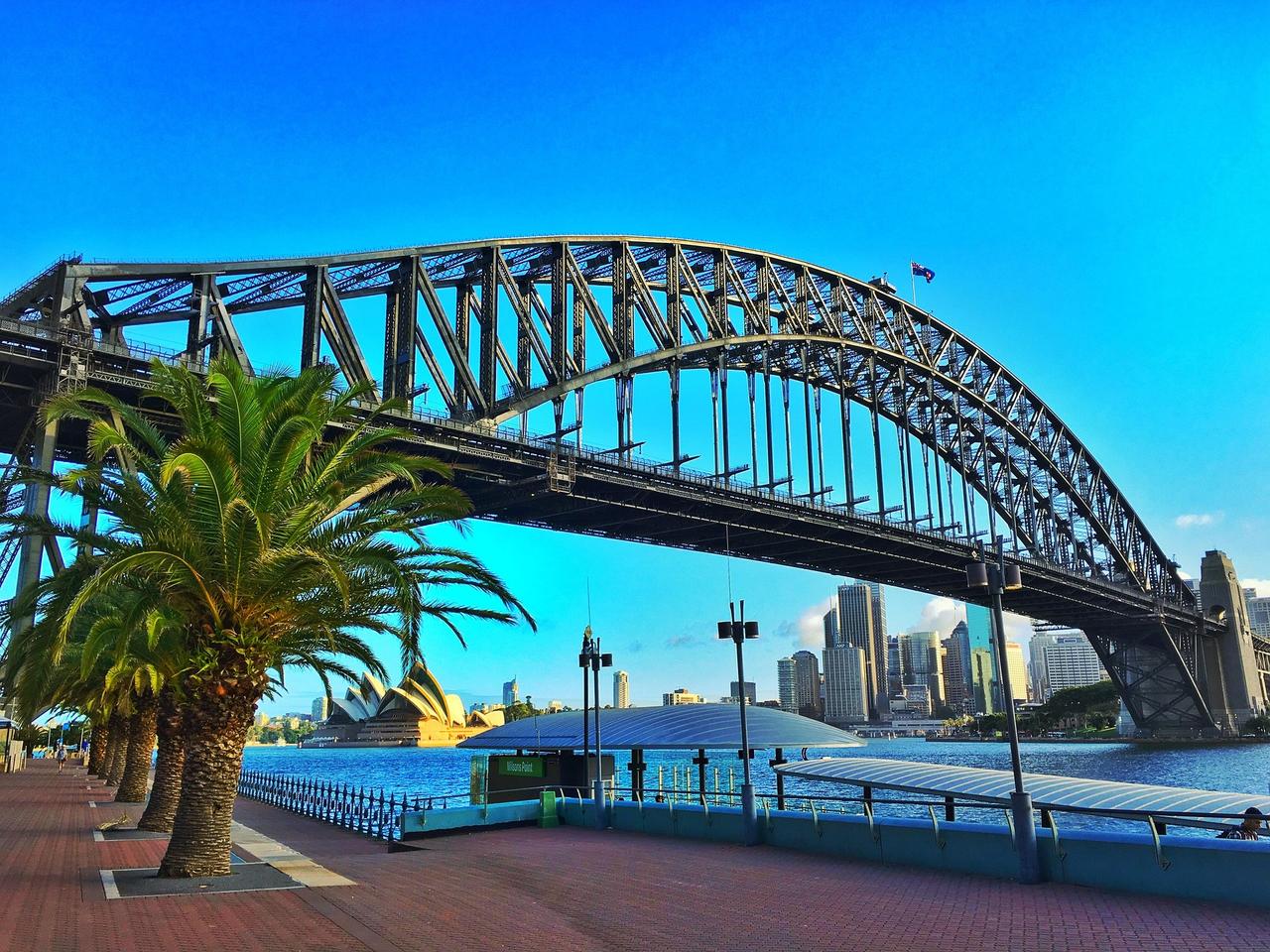
Sydney Harbour Bridge
Sydney Harbour Bridge, Australia, is a large-scale arch bridge connecting the northern and southern shores of Sydney Harbour. Opened in 1932, the bridge was constructed according to the engineering conditions of its time and contributed significantly to Sydney’s development. Due to its technical features and symbolic status at the national level, the bridge, with its arch span, pylons and steel construction, holds a place in Australia’s cultural heritage. History The construction of the Sydney H
ENFatmanur Mavibaş

Taşköprü
Taşköprü tells the story of both a district and the past through its namesake bridge. This bridge is not merely a structure built of stone; it is a historical treasure that has witnessed generations of people crossing it, lived in harmony with the river, and endured the passage of time. Construction of the Bridge Taşköprü is situated over the Gökırmak River at the entrance to Kastamonu. It was built in the year 1366 by Ali Bey, the son of Yağmur Bey. The bridge was constructed in the name of Cel
EN
Elif Laçin