

`brazilcusine` Related Article Results
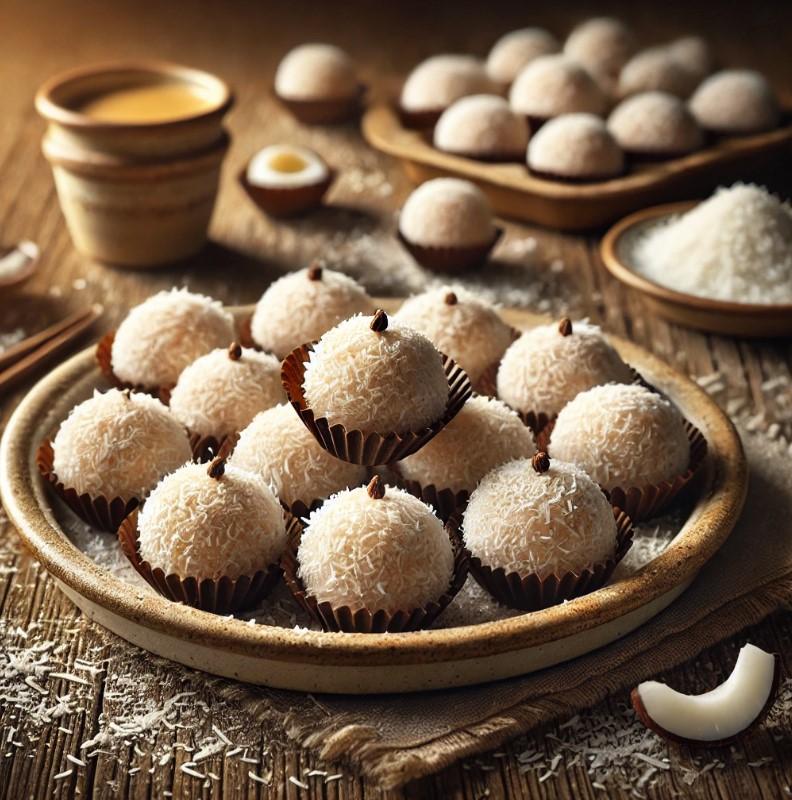
Beijinho
Beijinho is one of Brazil’s traditional sweets, commonly served during social events such as children’s birthday parties, weddings, and religious holidays. The name Beijinho, meaning “little kiss” in Portuguese, reflects both its visual appeal and its symbolic role as a token of affection in celebratory contexts. Owing to its simple and affordable ingredients, Beijinho has become widespread across Brazil, gaining popularity in both homemade preparations and industrial production. With its main c
EN
Ahsen Karakaş
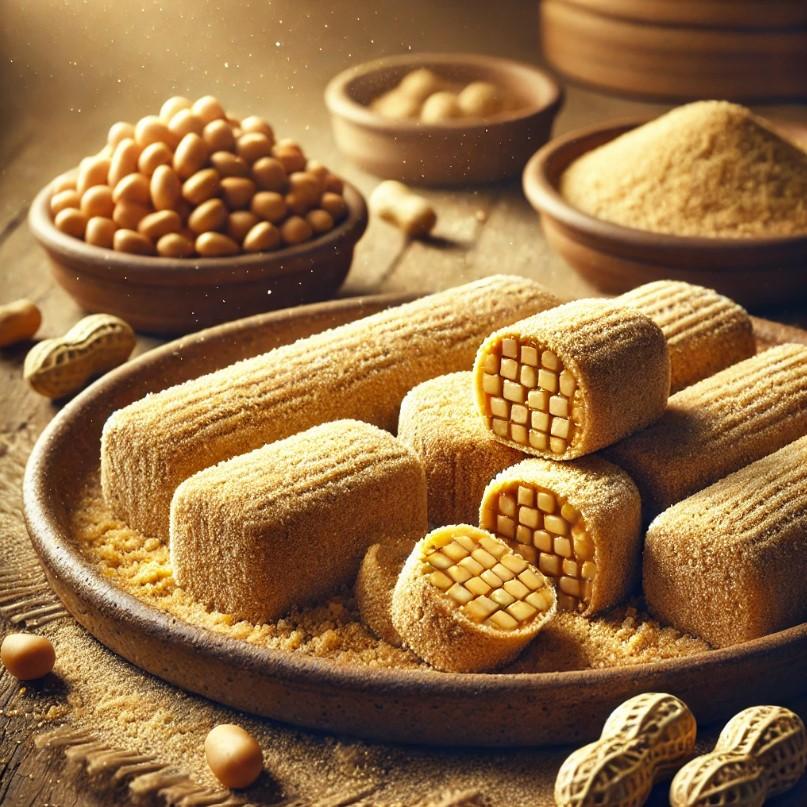
Paçoca
Brazilian cuisine is characterized by a rich gastronomic diversity shaped through the historical interplay of Indigenous communities, populations of African descent, and European immigrants. Paçoca, as one of Brazil’s traditional sweets, stands out both for its historical roots and its simplicity of ingredients. Especially popular in the country’s inland and northeastern regions, Paçoca is a frequent feature of both religious festivals and daily life. Made primarily from peanuts and sugar, this
ENAhsen Karakaş
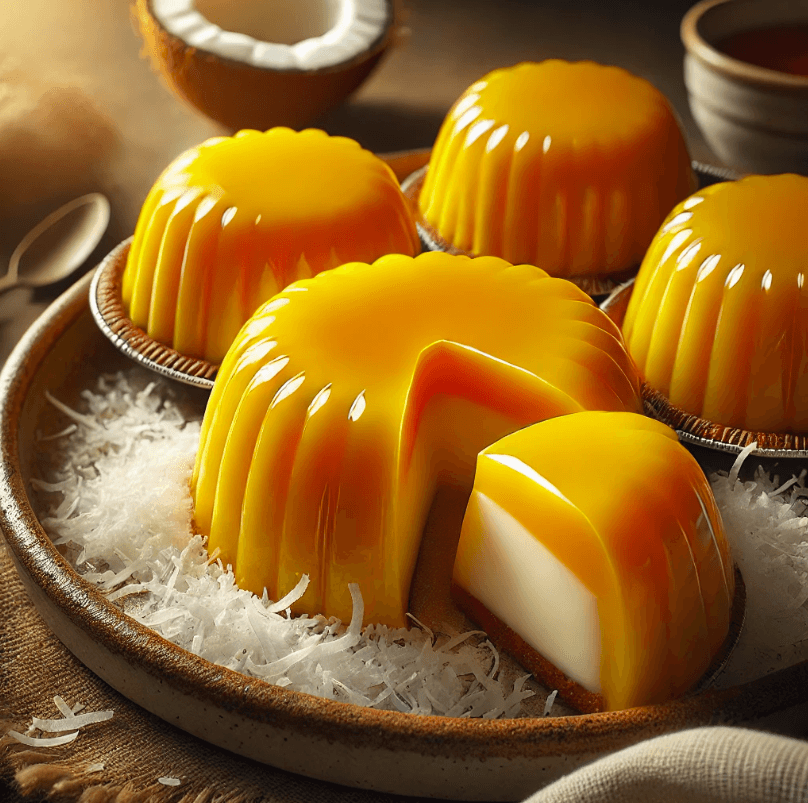
Quindim
Brazilian cuisine has evolved into a rich gastronomic heritage shaped by the interactions of various cultures resulting from the colonial period and subsequent waves of migration. Among the components of this heritage, desserts stand out particularly for the strong influences of Portuguese and African origins. Quindim is a dessert that emerged in the northeastern regions of Brazil, born from the convergence of Portuguese confectionery traditions and the culinary practices of African-descended co
ENAhsen Karakaş