

`braking` Related Article Results
 At
AtAtmospheric Acceleration and Deceleration
Atmospheric acceleration and deceleration are fundamental concepts in atmospheric science. The tendency of air masses to accelerate arises from variations in pressure, temperature, and humidity distributions within the atmosphere. These motions are essential components of the general atmospheric circulation and influence local regional and global weather systems. Acceleration refers to the introduction of a new direction or rate of motion to an air mass as a result of changes in the force balanc
EN
Ahmet Burak Taner
Reverse Thrust (Aviation)
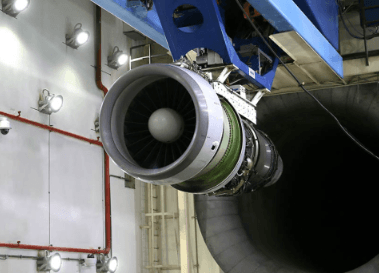
Reverse thrust is an aerodynamic braking method achieved by reversing the direction of engine thrust to slow down aircraft after landing. It is commonly used in jet-powered aircraft and aims to reduce speed by redirecting the engine’s thrust opposite to the direction of flight. This system is preferred particularly to reduce the load on landing gear braking systems and to enable safe landings on short runways. Historical Development and Future Perspective While early jet aircraft relied on bucke
EN
Elyesa Köseoğlu
AtAtmospheric Acceleration and Deceleration
Atmospheric acceleration and deceleration, are among the fundamental concepts of atmospheric science. The tendency of air masses to accelerate arises due to variations in pressure, temperature, and humidity distributions within the atmosphere. These movements are key components of the general atmospheric circulation and influence local, regional, and global weather systems. Acceleration refers to the addition of a new direction or velocity to an air mass as a result of changes in the force balan
EN
Ahmet Burak Taner