

`blood` Related Article Results
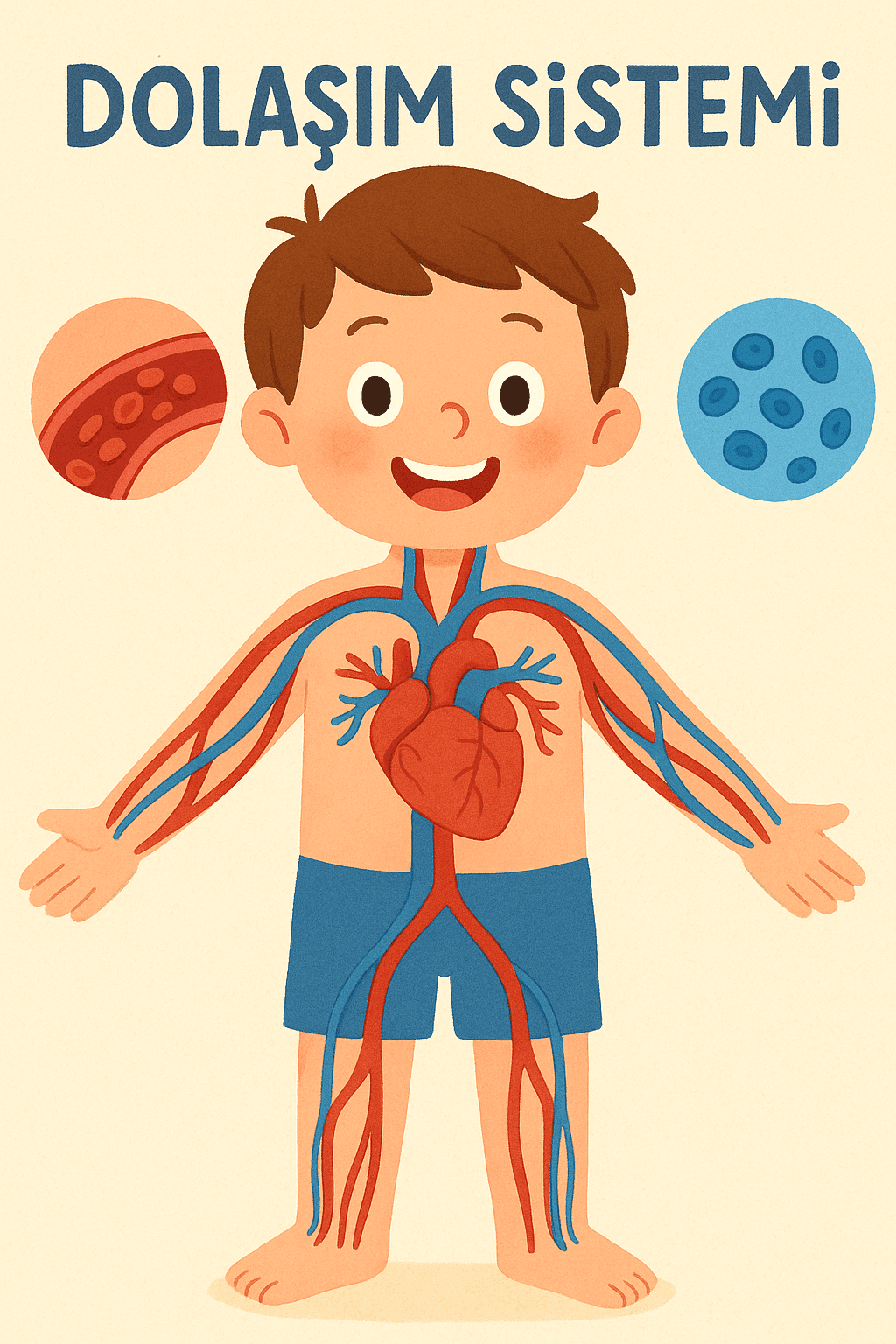
Circulatory System
There is a system that works continuously in our body, transporting blood to all our cells and keeping us healthy: The Circulatory System! This system functions like a highway network within our body. It delivers oxygen, nutrients, and essential substances to cells, while removing waste products. Let us explore this system together! What Are the Parts of the Circulatory System? The circulatory system consists of three main components: the heart, blood vessels, and blood. Each has a specific func
EN
Elif Laçin
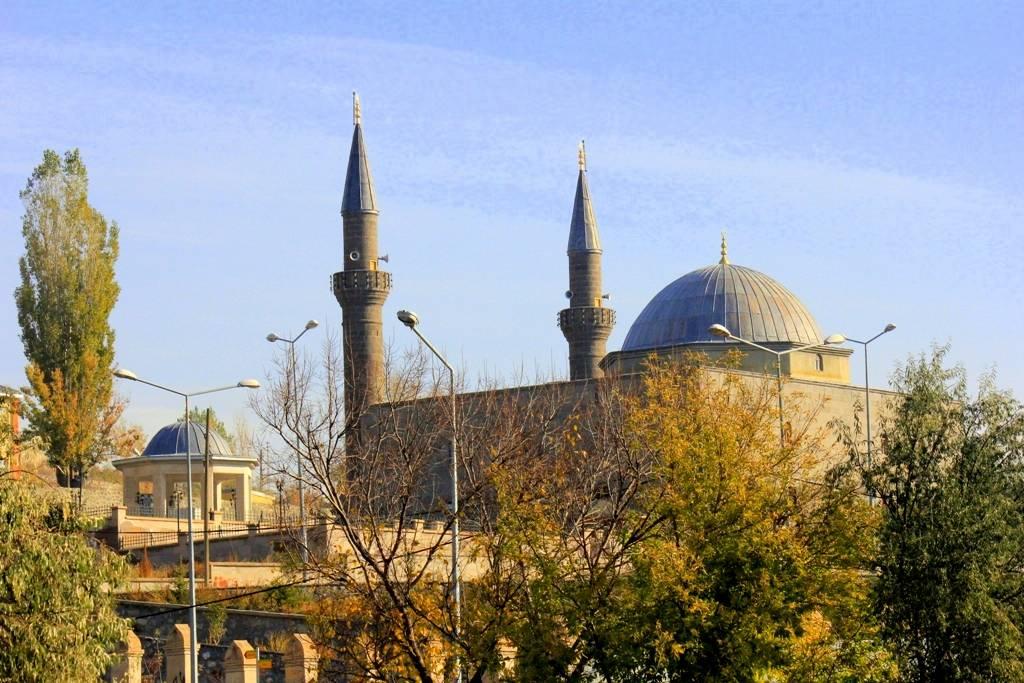
Kars Ulu Camii
A historical place of worship located in the Kaleiçi neighborhood of Kars province, dating back to the 17th century and holding a place in collective memory due to the historical events it has witnessed. History and Architectural Structure The construction of the mosque dates to the Ottoman Empire period. Although the original structure was commissioned in the 16th century in the name of Sultan Murad III, it was destroyed by the armies of Shah Abbas during Iranian invasions. The structure that s
EN
Fatma Türkoğlu
 Hi
HiHiltlar Theory
The Humoral Theory is an approach that explains health and disease states through the balance of the four fundamental bodily fluids (blood, bile, black bile, and phlegm) and their biological, moral, and psychological functions. In Eastern medicine, this theory is known as "Ahlât-ı Erbaa", while in the West it is called "Humoral Pathology". Developed by Hippocrates, the theory was influenced by the ancient Greek philosopher Empedocles’ concept of four elements. According to Empedocles, fire (dry-
EN
Beyza Cirit
HiHiltlar Theory
The Humoral Theory is an approach that explains health and disease states through the balance of the four bodily fluids in the human body (blood, bile, melancholy, and phlegm). In ancient Greek medicine this theory is known as "The Four Virtues", while in West it is called "Humoral pathology". The theory was developed by Hippocrates under the influence of the four-element concept of the ancient Greek philosopher Empedokles. According to Empedokles, fire (dry-hot), air (moist-hot), water (moist-c
ENBeyza Cirit
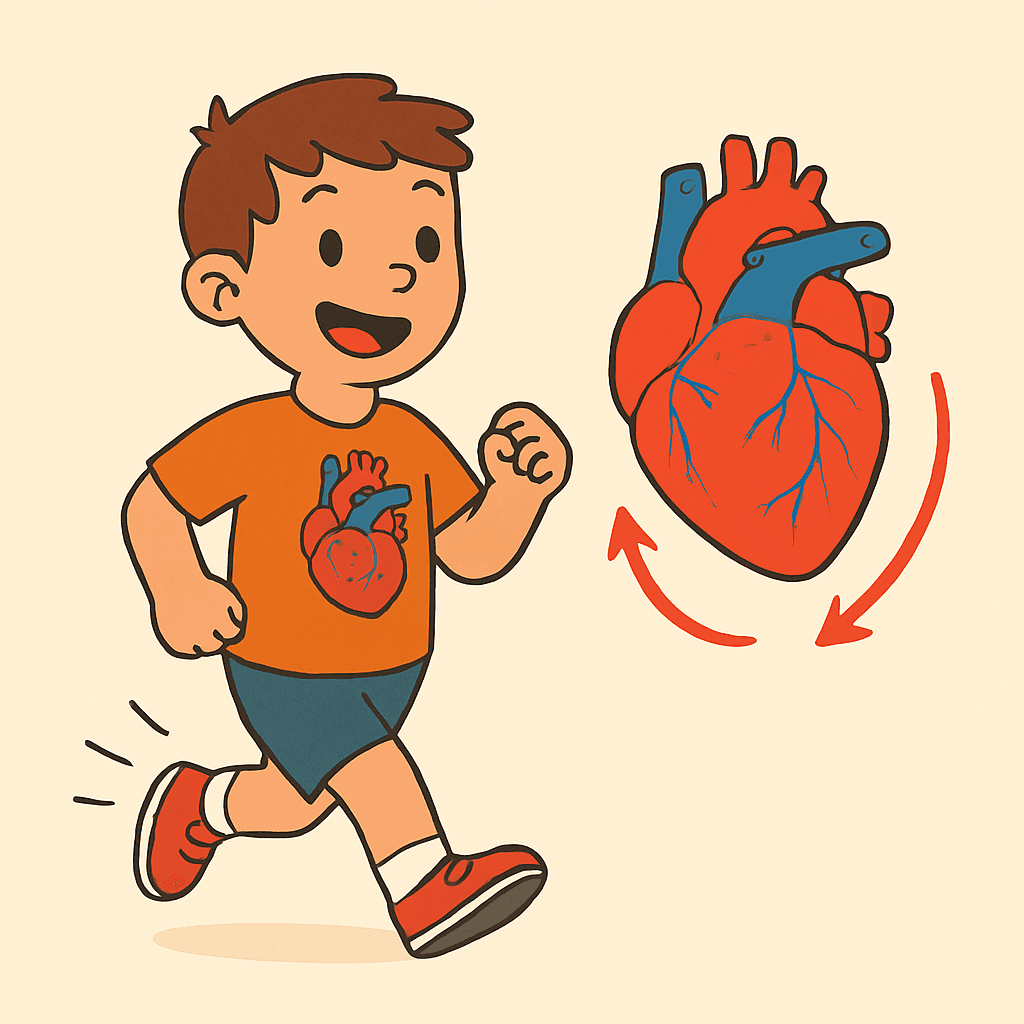
What is the heart for?
The heart is a powerful organ that pumps blood throughout our body. Thanks to the heart, blood is delivered to all tissues; cells receive oxygen (the gas that enables the body to produce energy) and nutrients (substances obtained from food necessary for the body). Waste products are also removed from the body. The heart also helps maintain the body’s temperature (the heat that enables energy production and healthy functioning). Pumping Blood The heart muscles continuously contract and relax to c
EN
Fatma Köroğlu
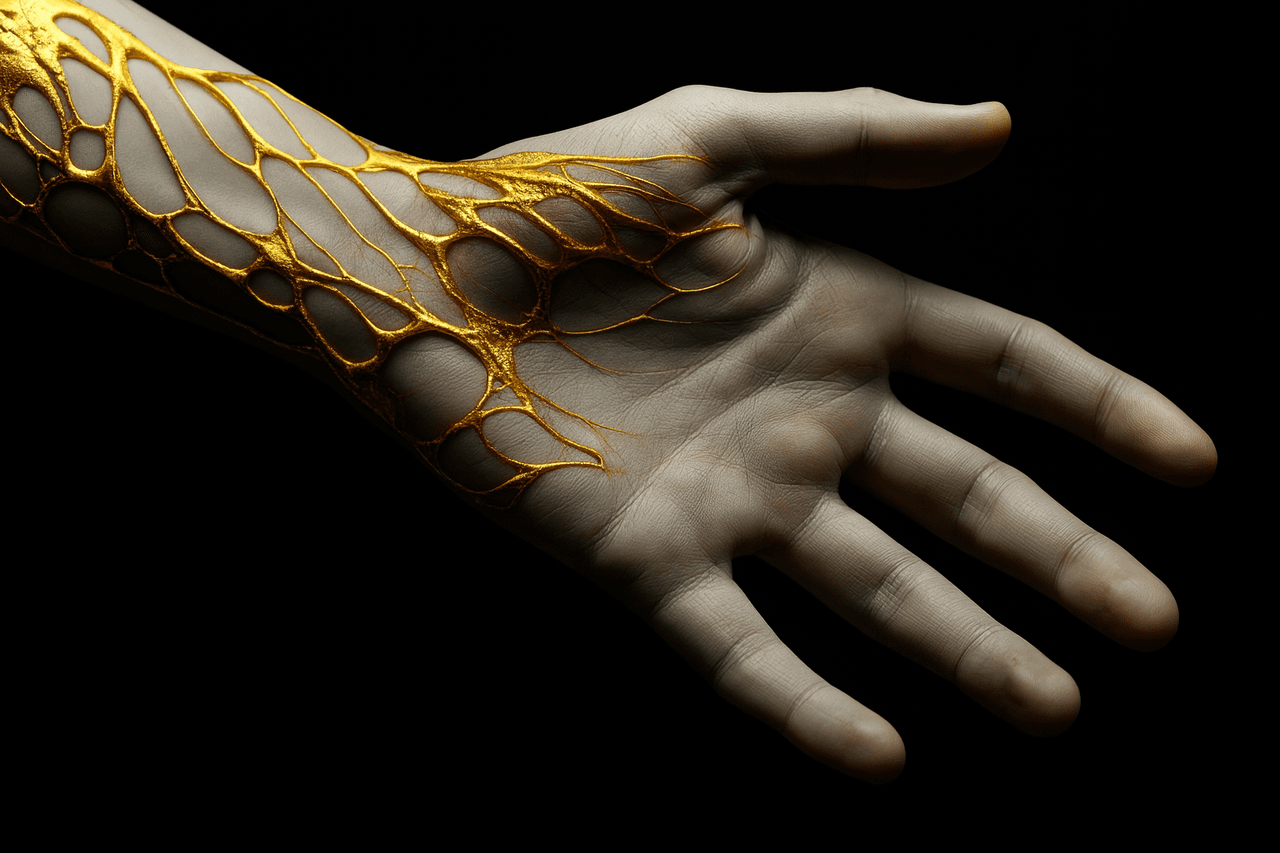
Golden Blood (Rh Null)
Golden blood, known as the Rh-null phenotype, is one of the rarest conditions among human blood groups. This phenotype is defined by the complete absence of all antigens in the Rh system. Such comprehensive deficiency has been observed in only a very small number of individuals, making golden blood both clinically unique and scientifically invaluable. The term “golden” in popular usage stems from its rarity and its strategic importance in transfusion medicine. Rh System and Molecular Basis The R
EN
Sümeyye Akkanat Terzioğlu