

`biotechnology` Related Article Results
 Ul
UlUlva lactuca
Sea Lettuce, known scientifically as Ulva lactuca, is an edible macroalgal species belonging to the phylum Chlorophyta and grows along the coasts of the Mediterranean Sea as common. Section of Ulva lactuca. (Source: Liu, J. "Species identification of epizoans from Ulva Lactic in Zhoushan sea area by using the DNA barcode technology". Marine Environmental Sciences, Vol:39, No:6. 2020.) " image-alternate="" image-element-format="justify"> General Information Ulva lactuca possesses two distinct
EN
Esmanur Gözcü

Bioluminescence
Bioluminescence is defined as the ability of living organisms to produce light through chemical reactions during their metabolic activities. In this process, the organic molecule luciferin reacts with oxygen in the presence of the enzyme luciferase, resulting in the emission of photons. The resulting light falls within the visible light spectrum and is described as “cold light” due to its minimal heat emission compared to conventional light sources. This characteristic makes bioluminescence ener
EN
Fatma Köroğlu

Dr. Dilek Gürsoy a Pioneer in Artificial Heart Technology
Revolutionary advances in health technologies are saving human lives while simultaneously improving quality of life. One of the most striking areas of these innovations is artificial organs. Developed through the convergence of advanced engineering biotechnology and medical science artificial organs offer hope to millions awaiting organ transplants. But what stages has artificial organ technology gone through and what lies ahead? To answer these questions we must first understand what artificial
EN
T3 Akademi
UlUlva lactuca
Sea Lettuce, known scientifically as Ulva lactuca, a species belonging to the phylum Chlorophyta, is an edible macroalga commonly found along the coasts of the Mediterranean Sea. A section of Ulva lactuca. (Source: Liu, J. "Species identification of epizoans from Ulva Lactic in Zhoushan sea area by using the DNA barcode technology". Marine Environmental Sciences, Vol:39, No:6. 2020.) " image-alternate="" image-element-format="justify"> General Information Ulva lactuca has the capacity to repr
ENEsmanur Gözcü
HuHuman in the Age of Biotechnology: What Should Our Moral Compass Be?
Technology no longer merely simplifies our lives; it directly intervenes in our bodies and existence. Artificial intelligence, gene-editing techniques (CRISPR), stem cell research, cloning, artificial womb projects, and transhumanist approaches that claim to biologically “enhance” humans… All these developments force us to reconsider a single question: Where should the boundary begin when humans are capable of such intervention? This question is not merely scientific; it is also moral, philosoph
EN
Veysel Eliş
NaNanotechnology
Nanotechnology is a field of science that involves designing, manufacturing, and applying materials and devices at the atomic and molecular levels. It is based on manipulating matter at the nanometer scale (1-100 nm). This technology intersects various disciplines such as material science, physics, chemistry, biology, and engineering. Nanotechnology has led to revolutionary advancements in electronics, medicine, energy, and environmental sciences. History of Nanotechnology The conceptual foundat
EN
Handenur Tomaşoğlu
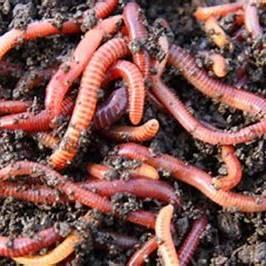
Lumbricus terrestris (earthworms)
Lumbricus terrestris is a species that plays a role in bioturbation within soil ecosystems and assumes functions in important. This article examines scientific studies on the position of L. terrestris in ecosystem processes and its agricultural significance on. Lumbricus terrestris belongs to the class Oligochaeta and has a wide geographic distribution. Its ecological importance is significant due to its functions in improving soil structure, organic substance transformation, and enhancing micro
EN
Emine Nur Demir
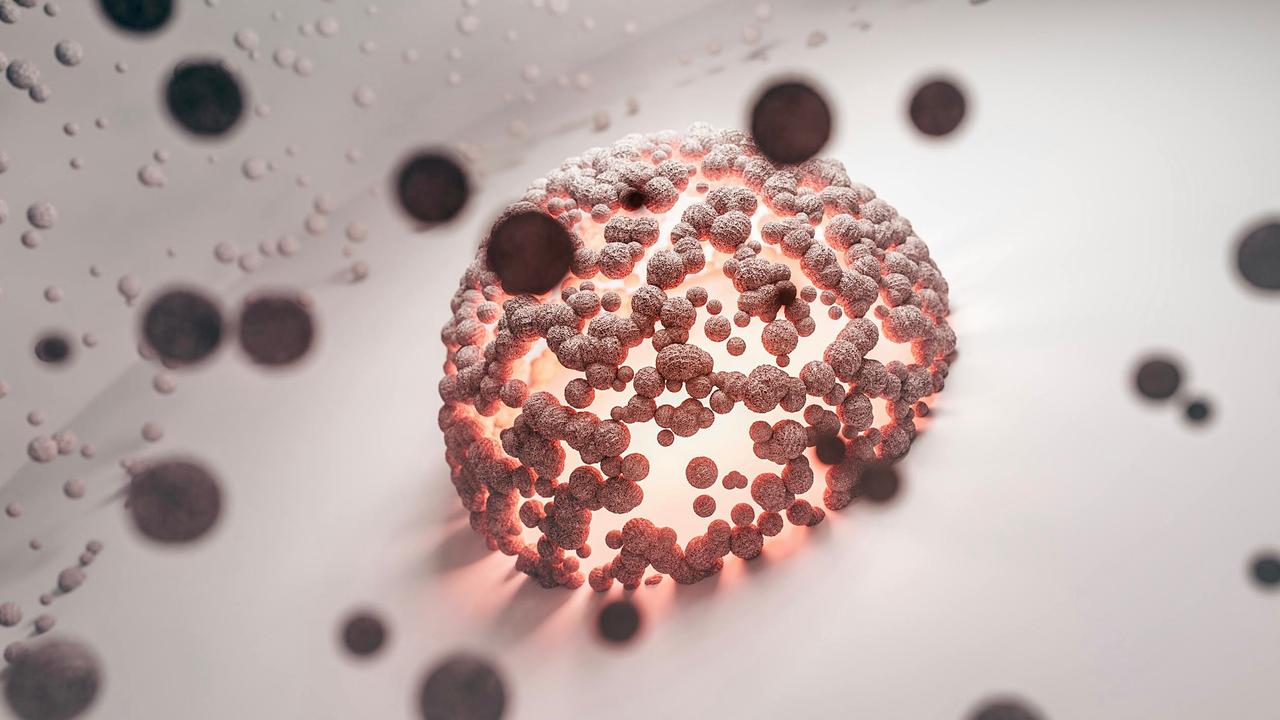
CRISPR-Cas System
The CRISPR-Cas system is an immune mechanism used by bacteria and archaea to defend against viruses. In recent years, it has become a transformative tool in the field of gene editing revolution. CRISPR (Clustered Regularly Interspaced Short Palindromic Repeats) are sequences found in the genomes of microorganisms. These sequences contain genetic material derived from viruses (bacteriophages) previously encountered by the bacteria. CRISPR sequences work with Cas (CRISPR-associated) proteins to re
ENİrem Yüce
TETEKNOFEST Biotechnology Innovation Competition
TEKNOFEST Biotechnology Innovation Competition is a technology competition organized in line with Türkiye’s domestic and national technology initiative, aiming to support innovative ideas and projects in the field of biotechnology. It is held within the framework of the TEKNOFEST Aviation, Space and Technology Festival, led by the Türkiye Technology Team Foundation (T3 Vakfı) and the Republic of Türkiye Ministry of Industry and Technology. Purpose and Scope The primary objective of the competiti
EN
Ahmet Safa Çetin
BiBiomedical engineering
Bioengineering is a multidisciplinary engineering field that applies engineering approaches to medicine and biology. Centered on living systems, its goal is to resolve all problems threatening life and to utilize all available opportunities to promote biological development. Bioengineering reinterprets chemical, agricultural, electricity-electronic and mechanical like engineering approaches according to the needs of living systems and encompasses a very broad range of applications. Research on h
ENFatma Beyza Şahin