

`biological-control` Related Article Results
 Fu
FuFungal Secondary Metabolites
Fungal secondary metabolites are biologically active small molecules produced by fungi not directly required for their primary life functions such as growth reproduction or energy production but synthesized to adapt to environmental conditions compete defend themselves or interact with other organisms. Properties of Fungal Secondary Metabolites Fungal secondary metabolites are low molecular weight compounds typically synthesized during specific developmental stages or under environmental stress
EN
PINAR GÜNER
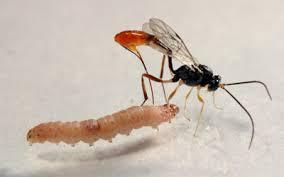
Venturia canescens
Venturia canescens is a solitary endoparasitoid species used primarily to combat larval stages of pest insects in storage facilities. V. canescens is a small parasitoid, measuring 3–5 mm in size. Its body is slender and delicate, typically colored in light brown or yellowish tones. Its wings are transparent and finely veined. The antennae are long and segmented. The abdomen is narrow and slightly curved. Females possess a specialized ovipositor for depositing eggs inside host larvae. The larval
ENPINAR GÜNER
EnEntomopathogenic Fungi
Entomopathogenic fungi are pathogenic microorganisms commonly found in nature that infect insects and other arthropods, leading to their death. The term, derived from the Greek words “entomo” (insect) and “pathogen” (disease-causing), describes organisms that function as natural enemies in ecosystems and play a crucial role in suppressing pest insect populations. Their use in agriculture, forestry, and public health as biological control agents is increasingly widespread due to their environment
ENPINAR GÜNER
BiBiopesticides
Biopesticides are biological substances or living organisms used to control harmful organisms such as insects, fungi, weeds, bacteria, and viruses. Developed as alternatives to chemical pesticides, biopesticides have gained importance due to their environmentally friendly nature and their role in sustainable agricultural practices. History The origins of biopesticides date back to ancient times. It is known that in the 4th century AD in China, ant colonies were used to control pests in citrus or
ENPINAR GÜNER
CoCotton Leafworm (Spodoptera littoralis)
Spodoptera littoralis (Boisduval, 1833) is one of the most economically significant leaf worms in the family Noctuidae. Commonly known as the cotton leafworm or African cotton leafworm, this species is recognized for its ability to feed on a wide variety of plants. A widespread pest in Mediterranean countries, the Middle East and Africa, it can rapidly reach high population densities under favorable conditions, causing severe economic losses. Morphology Adult moths have a wingspan ranging from 3
ENPINAR GÜNER
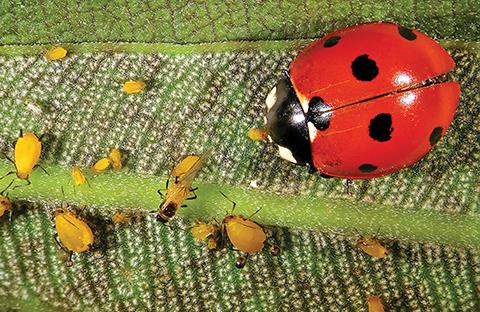
Biological control
Biological Control (biological control in agricultural production) is a plant protection method based on the use of natural enemies or biological agents to reduce damage caused by pest organisms in crop production. In this approach, predatory and parasitoid insects, pathogenic microorganisms, or other natural enemies that act on pest insects, disease agents, or weeds are employed to maintain pest populations below the economic injury threshold. Biological control has been developed as an alterna
EN
Ekrem Kadir ÖZTÜRK
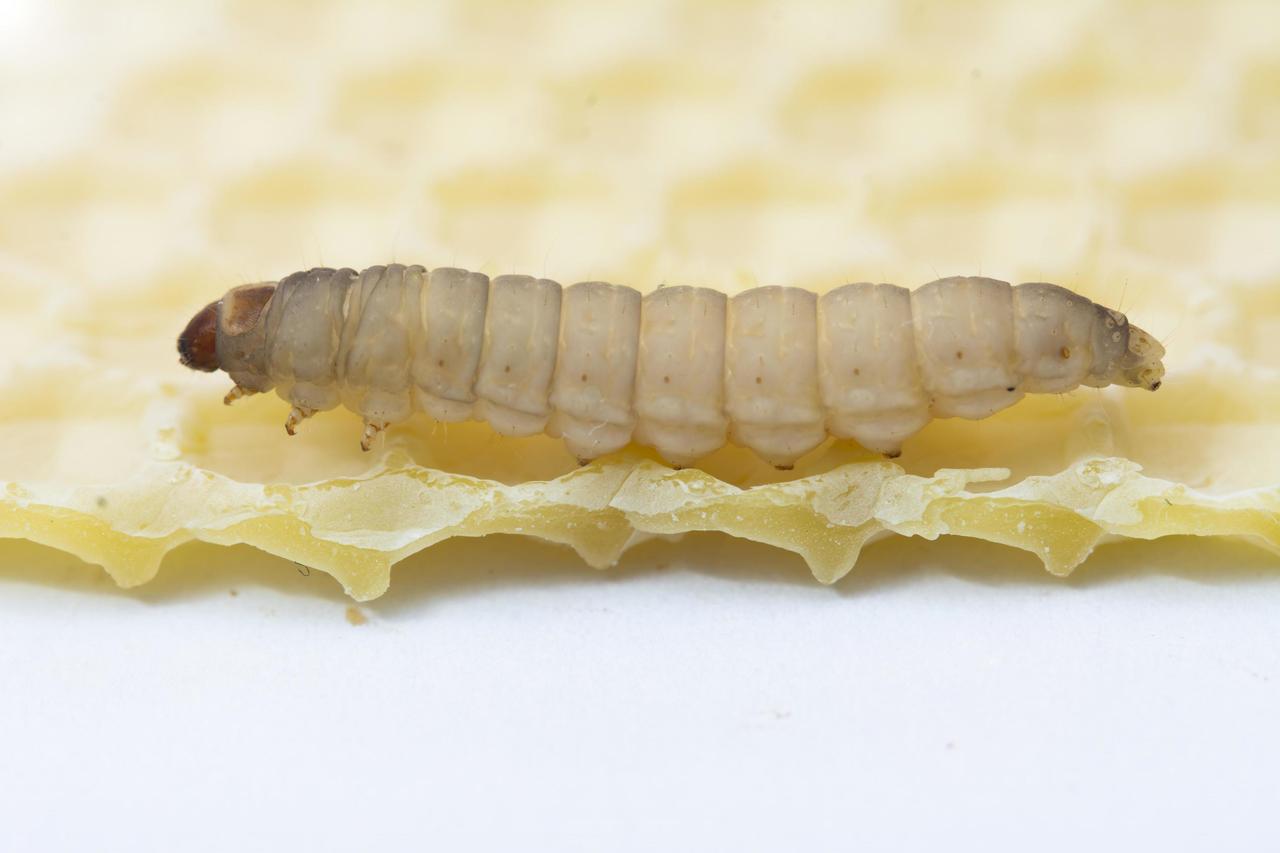
Wax Moth (Galleria mellonella)
Galleria mellonella is a moth species belonging to the order Lepidoptera, commonly known as the “Greater Wax Moth” or “Wax Moth.” It is recognized as a pest in beekeeping due to its damage to honeybee hives, and in recent years it has also become widely used as a model organism in biomedical research. Morphology The life cycle of G. mellonella consists of four main stages: egg, larva, pupa, and adult. Adult moths have a wingspan of approximately 20–30 mm, with wings that are light brown in color
ENPINAR GÜNER
BeBeauveria bassiana
Beauveria bassiana (Bals.-Criv.) Vuill. is a widely occurring entomopathogenic fungus in nature that causes disease in insects. It is naturally found in soil, on plant surfaces, and within ecosystems. By parasitizing various arthropods, it helps limit populations of pest insects. Due to this property, it is recognized as one of the most important microorganisms used as a biopesticide in modern agriculture. History and Taxonomy This fungus was first identified in 1835 by the Italian scientist Ago
ENPINAR GÜNER