

`belief` Related Article Results
 Co
CoConvert
Origin Muhtedi is derived from the Arabic word muhtedī (مهتدي), which entered Turkish from Arabic. This term originates from the Arabic verb hadā, meaning “to guide” or “to lead onto the right path,” and carries the meaning “one who has found the right path, one who has attained guidance.” Areas of Use Religious Terminology: Used to refer to individuals who have later embraced Islam. History: Appears in texts related to Ottoman and Islamic history to describe individuals who changed their religi
EN
Fatmanur Mavibaş
AnAnunnaki
The Anunnaki are a pantheon of deities in Mesopotamian mythology, particularly within the religious traditions of the Sumerian, Akkadian, Babylonian, and Assyrian civilizations. The term originates from Sumerian and generally means “children of An.” Here, An refers to the supreme god of the sky, and the Anunnaki represent divine beings descended from him. This pantheon was regarded as the divine representatives of numerous structures, from the organization of the cosmos to the social hierarchy o
EN
Samet Şahin

Learned Helplessness: Kernel Clitting with Artificial Intelligence
Behaviors such as affection, blame, and especially gratitude have become a flow extending from human to human, from human to animal, and even from human to plant. It is also worth noting that Sufi practitioners have attributed value to inanimate objects and regarded them as worthy of gratitude. Today, this same flow is beginning to extend from humans to robots, offering numerous clues about the psychological condition of an increasingly isolated humanity. Let us imagine a person providing artifi
EN
Nida Öztürkmen
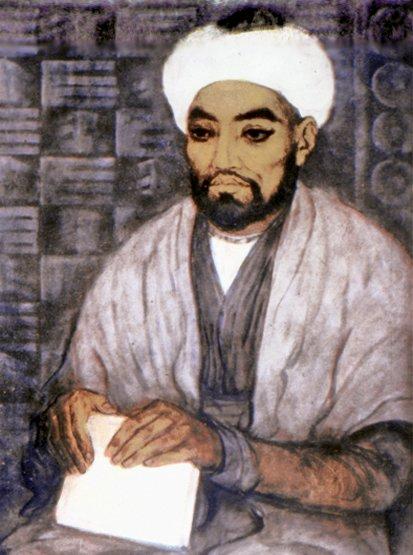
In the Footsteps of an Inquiry: From Al-Farabi to Anselm
The most general concept the human mind can reach is “existence”, and the highest concept is “God”. Al-Farabi begins precisely from this point. According to him, the human intellect can assert only two fundamental propositions about existence: either it is necessary or it is possible.【1】 Necessary existence… That is, a truth whose existence is inherent and whose nonexistence cannot be conceived. According to Al-Farabi, if such an existence were denied, it would not merely mean the absence of som
EN
Büşra Meral
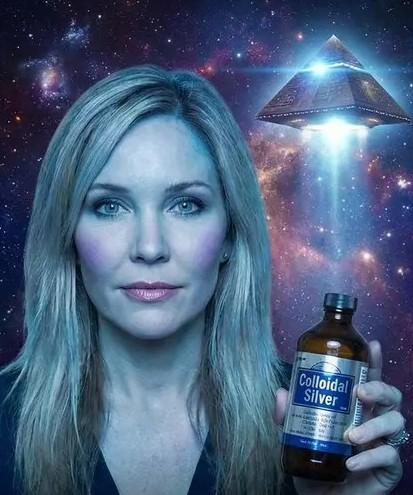
Love Has Won
Love Has Won is a syncretic New Religious Movement (NRM) founded in the mid-2000s by Amy Carlson (known to her followers as “Mother God” or “Ana Tanrı”), which eclecticly combines New Age spirituality, conspiracy theories, and UFO beliefs.McCluskey, Megan. "The Bizarre True Story Behind HBO’s Love Has Won Docuseries." Time, 14 Kasım 2023. Erişim 26 Ocak 2026 https://time.com/6333436/love-has-won-true-story-hbo/. Ayrıca bknz. Barker, Eileen. "New Religious Movements: Their Incidence and Significa
EN
Bahtiyar Bora ERGÜN
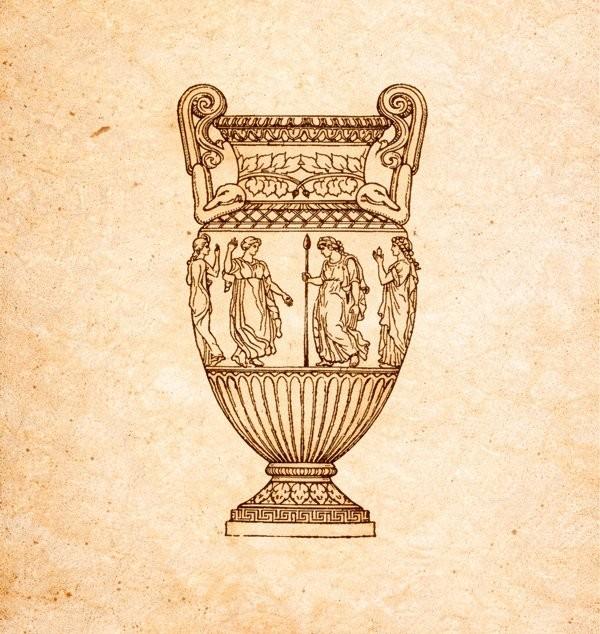
Inandık Vase
Inandık Vase is a molded ceramic vessel made of fired clay, dated to the Old Hittite period in Central Anatolia. Due to its figurative scenes, it is regarded as one of the narrative examples among Old Hittite ceramics. The artifact was discovered at the İnandıktepe settlement within the boundaries of Çankırı Province and provides visual evidence regarding the ritual practices and social structure of the period through its find context and decorative program. Discovery Site and Find Context The I
EN
Büşranur Topaloğlu
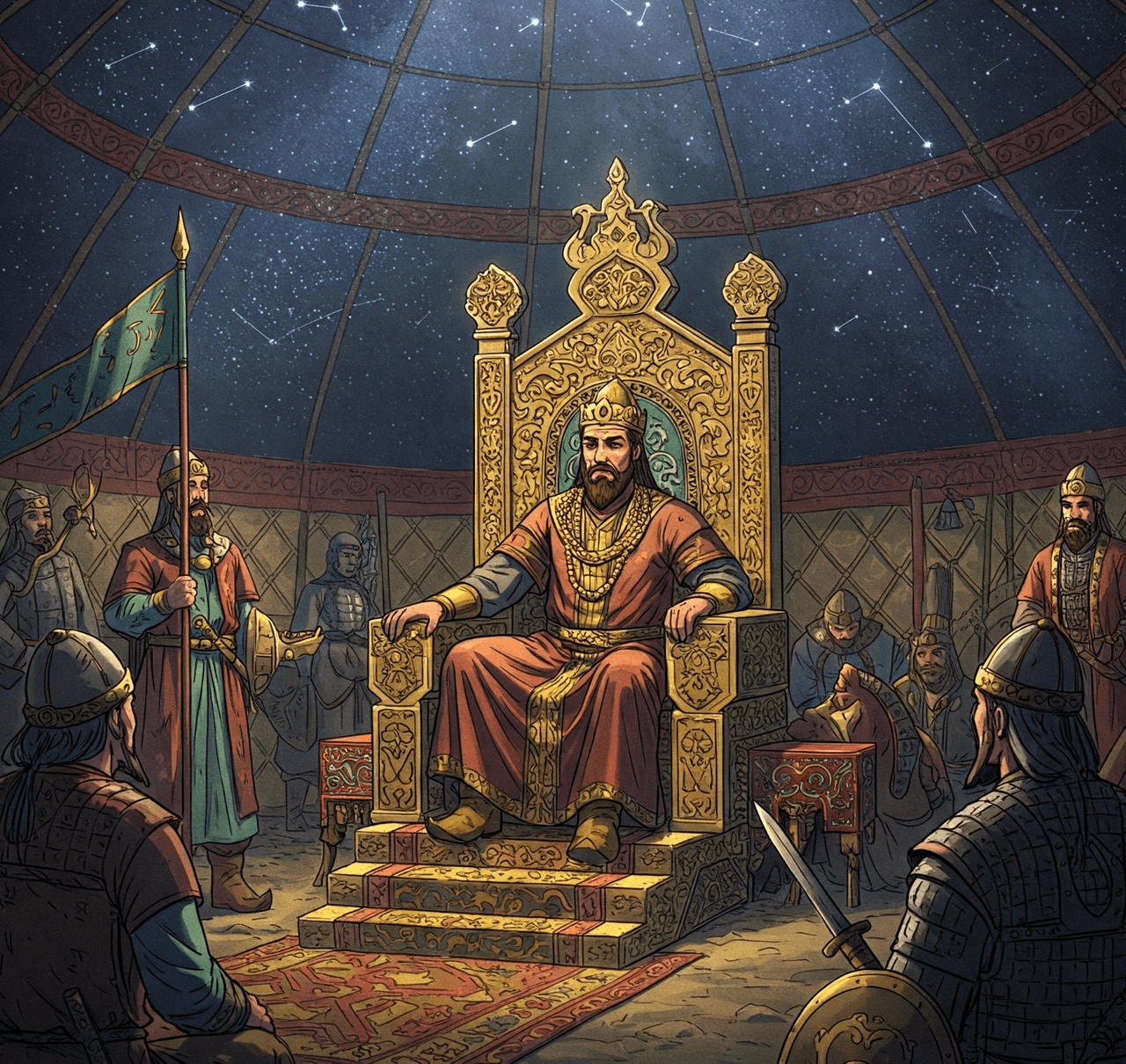
The Concept of Kut in Turkish Culture
Kut is a central concept in the ancient Turkic belief system and state philosophy, conveying meanings of sanctity, legitimacy, and divine approval. In Old Turkic, kut was used to denote “sacred power,” “right to rule,” or “divine grace.” According to this understanding, a khan or khagan holds the right to rule because he has been endowed with kut by God. In this sense, kut is not merely a secular attribute of authority; it is also regarded as a divine credential. The concept of kut, rooted in th
EN
Hümeyra Yılmaz
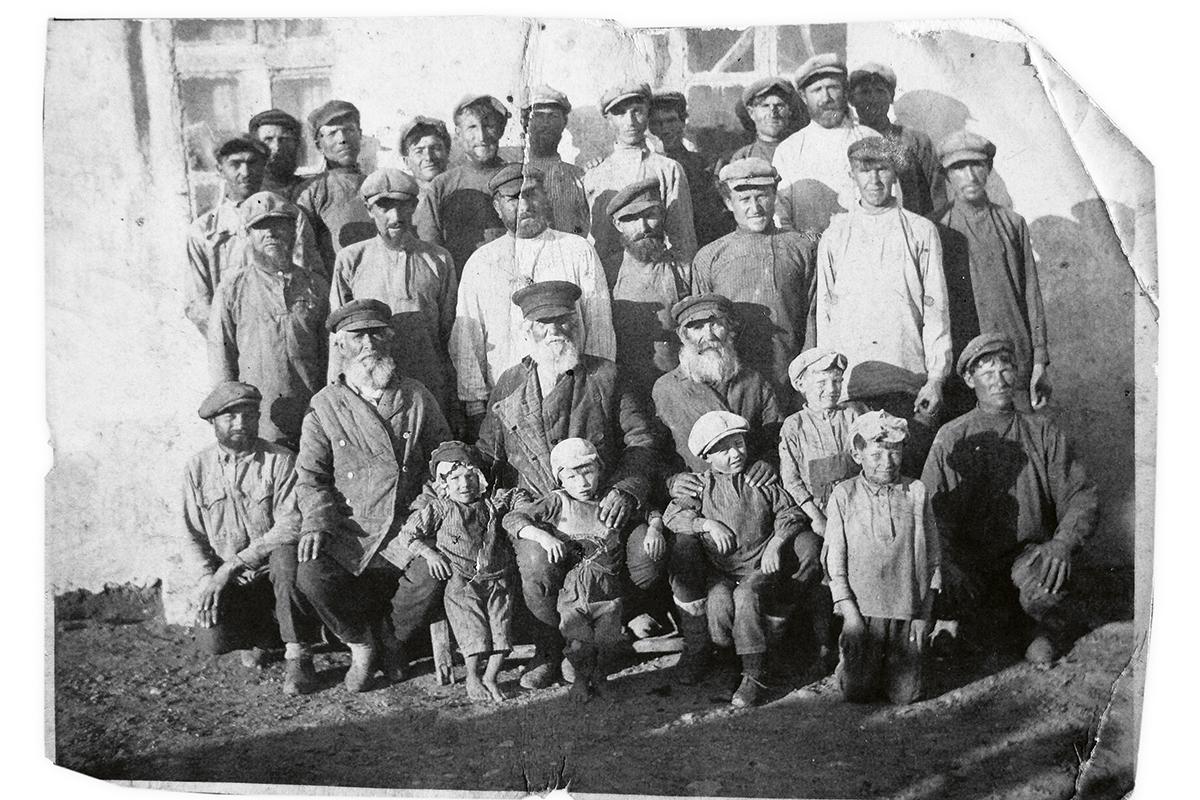
Malakans
The Molokans (Russian: Молокане), are a community that emerged in opposition to the policies of Tsar Peter I and adopted the religious movement and lifestyle known as Molokanism. This community was particularly expelled from Russia during the 19th century and resettled in various regions, where they left cultural and economic impacts. History The Molokans are a group originating in Belarus in the 17th century, composed of White Russians who exhibited opposition to the Russian Orthodox Church. Th
ENRamazan Bayat

PK (Peekay) (Film)
PK (Peekay) is a 2014 Indian science fiction comedy-drama film directed by Rajkumar Hirani and written by Hirani and Abhijat Joshi. It stars Aamir Khan, Anushka Sharma, Saurabh Shukla, Sanjay Dutt and Boman Irani. Produced by Vidhu Vinod Chopra, the film was made in collaboration between Vinod Chopra Films and Rajkumar Hirani Films. It was released in India on 19 December 2014. Plot The film centers on an alien named PK who arrives on Earth to conduct research. After landing in Rajasthan, PK los
EN
Büşranur Akpınar
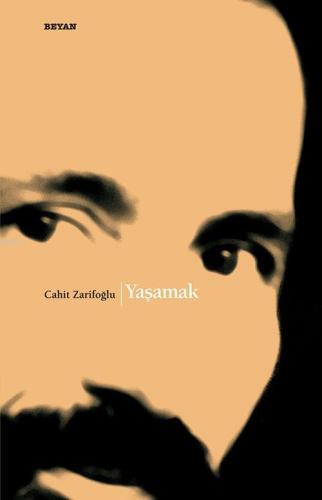
Living (Book)
Living is a work composed of Cahit Zarifoğlu’s diaries. The book contains various observations on his personal life thoughts and the era in which he lived. It is regarded as one of the significant texts in modern Turkish literature with autobiographical qualities. Subject of the Book Living is a compilation of daily notes written by Cahit Zarifoğlu from the 1960s to the 1980s. The work includes memories observations on social and political developments expressions about family life and personal
EN
Cihat Demirel