

`behaviorism` Related Article Results
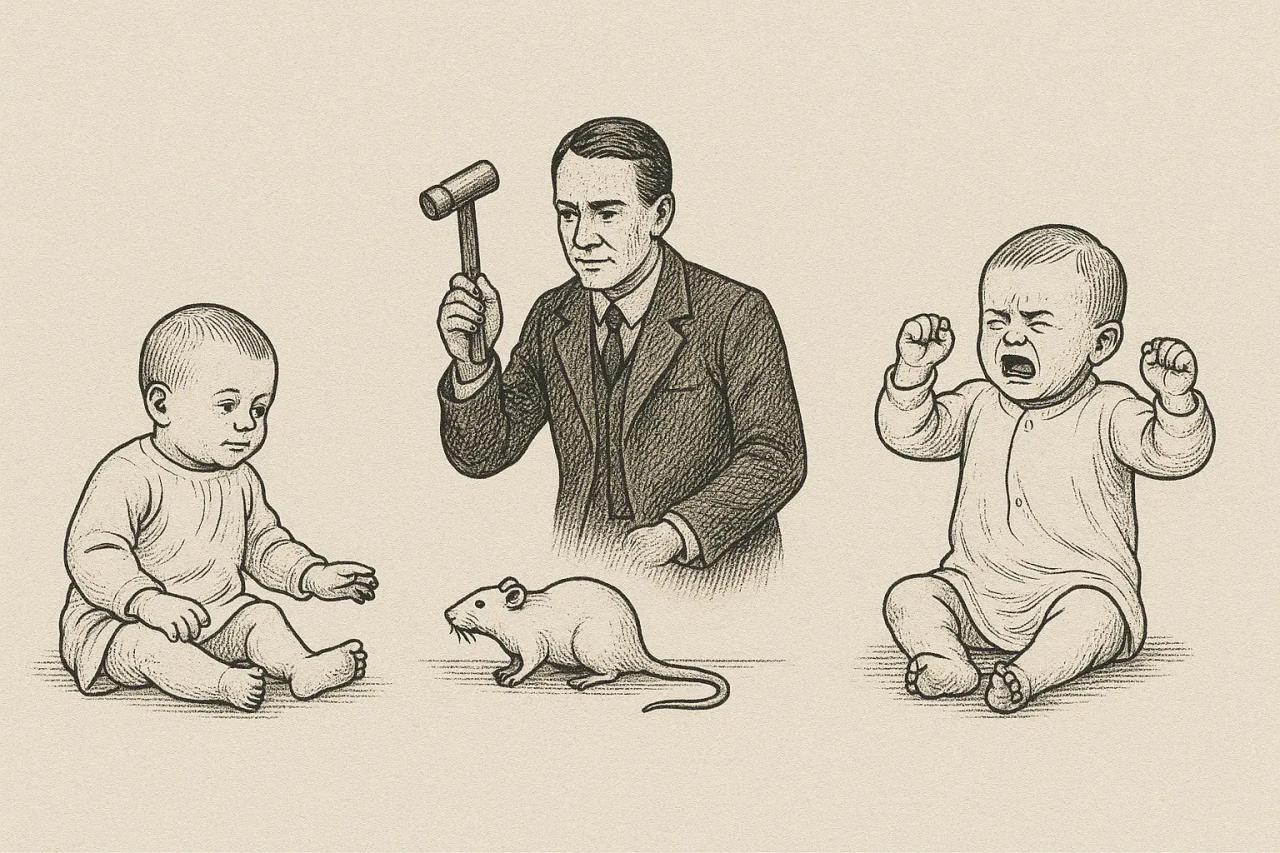
Little Albert Experiment
The Little Albert Experiment, conducted in 1920 by behaviorist psychologist John B. Watson and his associate Rosalie Rayner at Johns Hopkins University, was an experimental study designed to investigate classical conditioning processes in humans. This experiment was carried out to test whether emotional responses could be learned in human psychology and is considered one of the most controversial experiments in the history of psychology. Aim of the Experiment The primary aim of the experiment wa
EN
Sümeyye Akkanat Terzioğlu

John Broadus Watson
John B. Watson was born on January 9, 1878, in South Carolina. His childhood was shaped by economic hardship and family difficulties, which led to challenges in his educational journey. Despite encountering personal and social obstacles at a young age, Watson pursued academic studies with curiosity and determination, graduating from Furman University. During his university years, he showed interest in experimental psychology and functionalist approaches. In 1920, Watson was forced to leave his p
EN
Nida Üstün
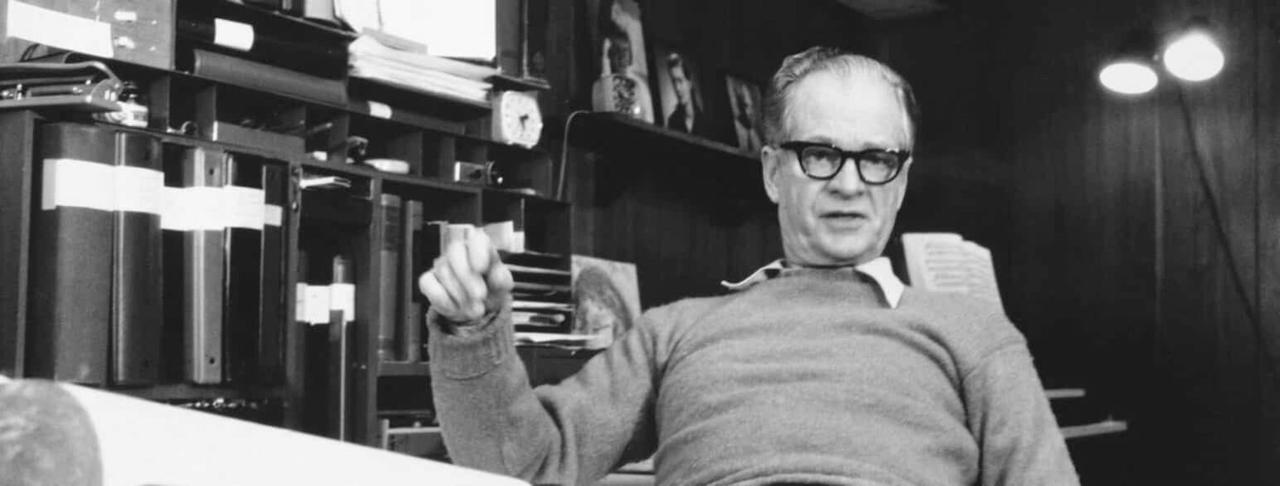
Burrhus Frederic Skinner
Burrhus Frederic Skinner was an American psychologist associated with the behaviorist movement in the 20th century. He is particularly known for his theory of operant conditioning and his radical behaviorist approach. He sought to explain human and animal behavior through environmental factors and their consequences, employing experimental methods in psychology. Life and Education Skinner was born on 20 March 1904 in Susquehanna, Pennsylvania, United States. In his youth, he showed interest in w
EN
Ömer Faruk Tuğla
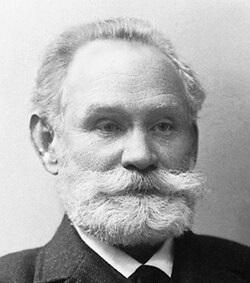
Ivan Pavlov
Ivan Petrovich Pavlov (1849–1936) was a Russian scientist renowned for his work bridging the disciplines of physiology and psychology at the end of the 19th century and the beginning of the 20th century. His early research focused on digestive physiology, and through surgical techniques he developed, he investigated the regulation of digestive secretions. These studies earned him the Nobel Prize in Physiology or Medicine in 1904. The phenomenon of conditioned reflexes observed in Pavlov’s labora
ENÖmer Faruk Tuğla