

`bees` Related Article Results
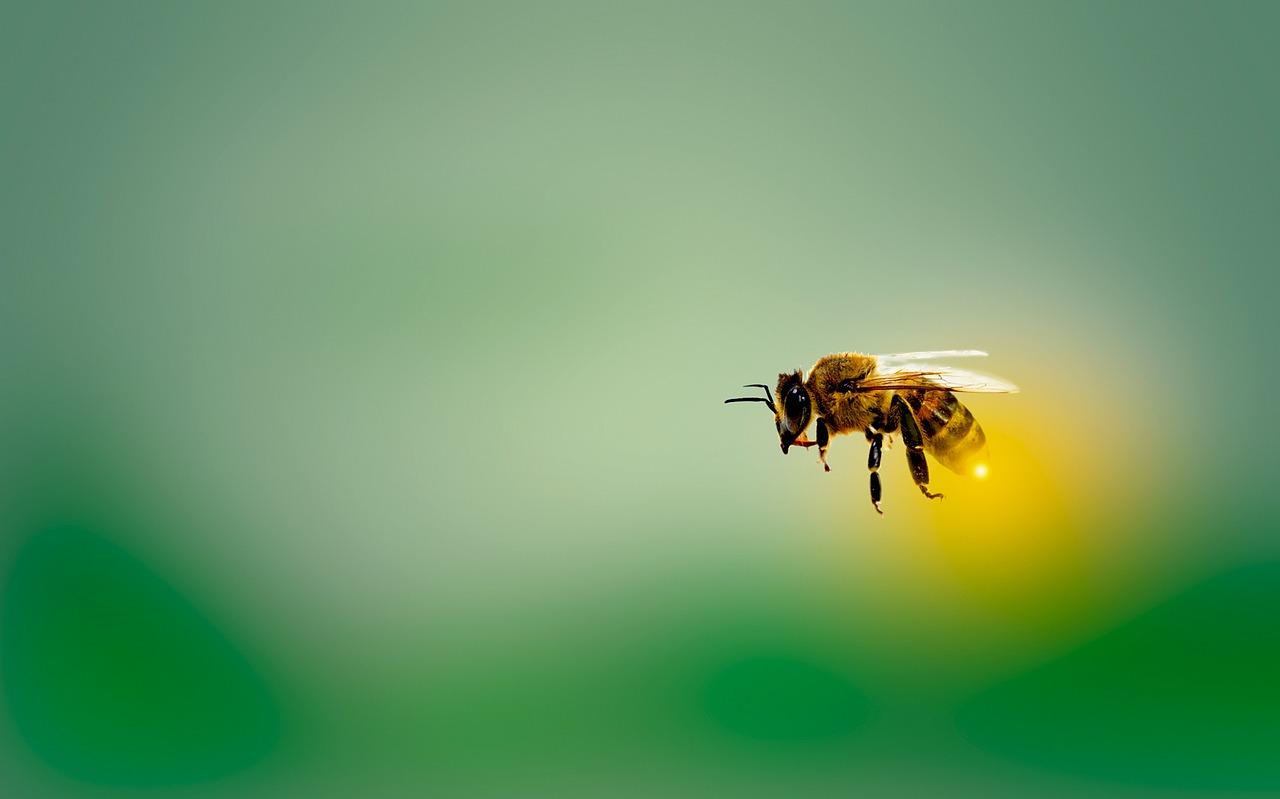
Bee (Apis spp.)
Bees (Apidae) are insects belonging to the order Hymenoptera, with approximately 20,000 species worldwide. Their bodies consist of three parts: head, thorax and abdomen. The head contains antennae and highly developed sensory organs; the thorax supports wings and legs for flight; and the abdomen houses organs for digestion, reproduction and defense. The morphological structure of bees is specially adapted for pollen collection and nectar feeding. In some species, legs bear pollen baskets, struct
EN
Fatma Köroğlu
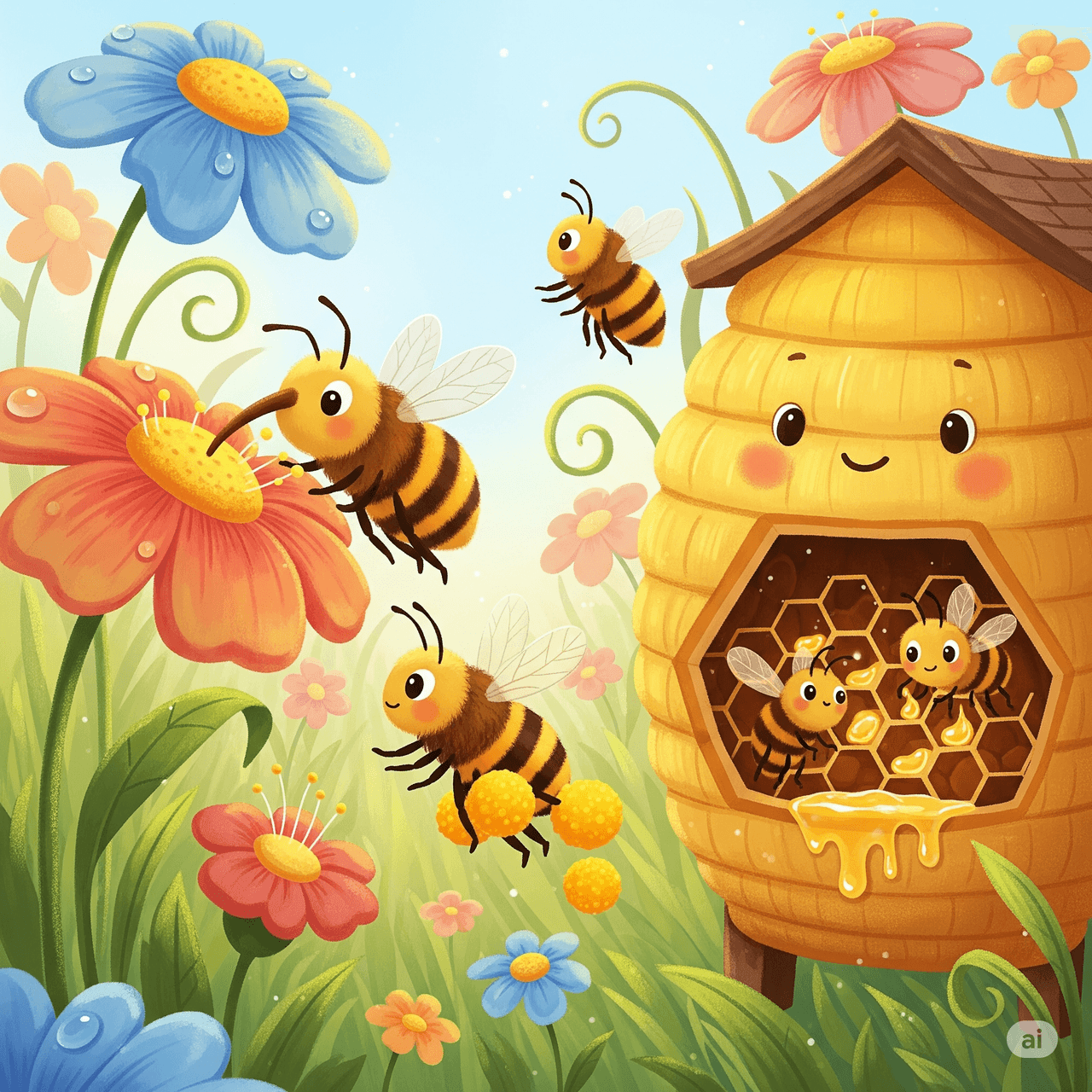
How Do Bees Make Honey?
Bees make honey, and we enjoy it! But have you ever wondered how bees produce this sweet and healthy honey? (Generated by Artificial Intelligence.) " image-element-format="right" image-source="https://cdn.t3pedia.org/media/uploads/2025/08/02/Ccd8rCYNf1h3WDIEsTex1M1CzuUQyVaU.png"> First Step: Collecting Nectar from Flowers The first step in honey production is collecting nectar from flowers. Bees land on various flowers as they fly through nature and gather the sweet liquid, known as nectar, f
EN
Hikmet Can Urhan
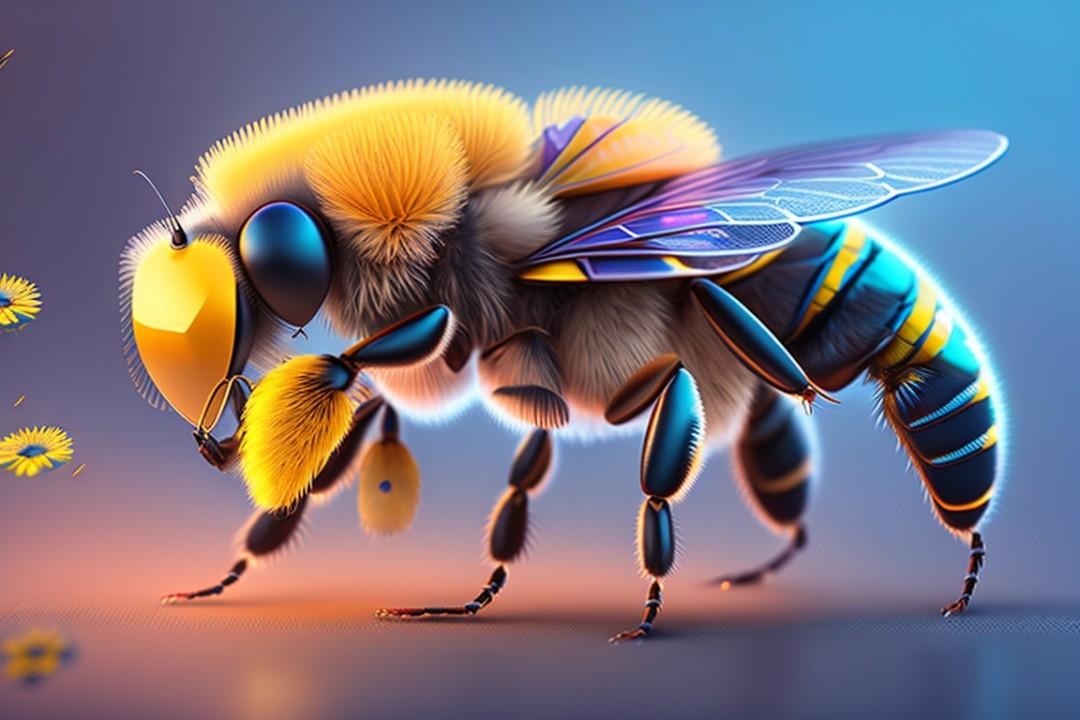
The Enchanting Life of Bees: Nature's Silent Engineers
Bees are among the smallest yet most impactful creatures on Earth. They play a fundamental role in maintaining ecosystem continuity not only through honey production but also through their indispensable contribution to pollination processes. These creatures are vital for environmental balance, agricultural productivity, and biological diversity. Throughout human history, all civilizations have regarded bees as sacred and included them in their mythologies. Social Organization and Communication S
EN
Enes Yılmaz