

`bayes-theorem` Related Article Results
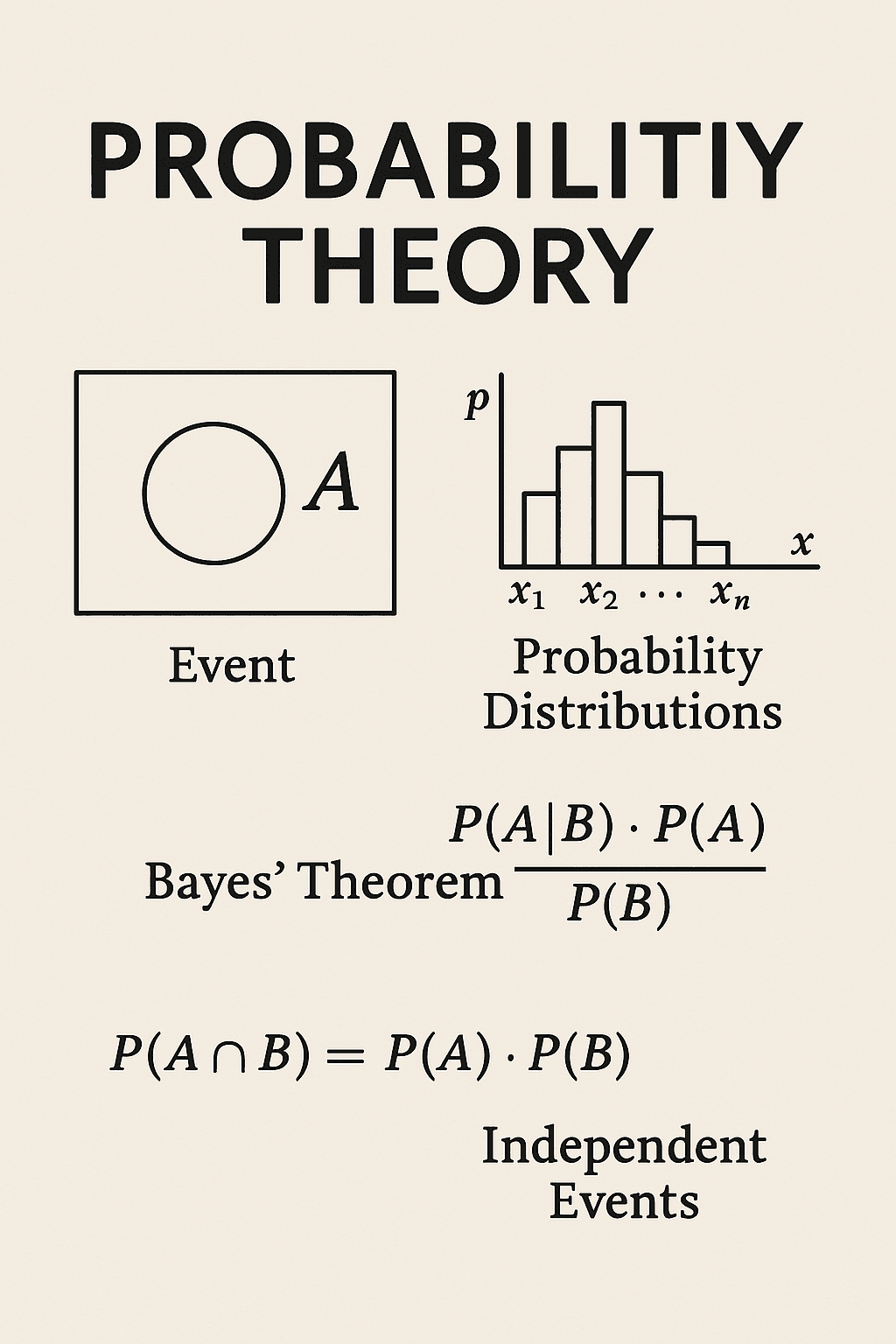
Probability Theory
Probability is commonly used to express the likelihood of an event occurring. Probability theory is a mathematical modeling tool that helps predict the future states or events of a specific system. Probability theory fundamentally consists of three main components: events, probability distributions, and random variables. A visual representing Probability Theory (generated by artificial intelligence.) " image-alternate="" image-element-format="right"> Events An event is the occurrence of a spe
EN
Zehra Yayla
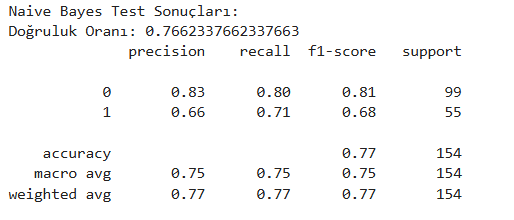
Bayes' Theorem
Bayesian statistics is defined as a branch of statistics that relies on Bayes’ Theorem to model probabilities and uncertainties. Unlike classical statistics, it aims to produce more accurate predictions by updating existing knowledge (pioneer probability) with newly obtained data. Thomas Bayes (1701–1761) was an English mathematician known for his contributions to statistics and probability theory. His eponymous Bayes’ Theorem has had a profound impact on Bayesian statistics. The work containing
EN
Mahmut Ömer Tepecik
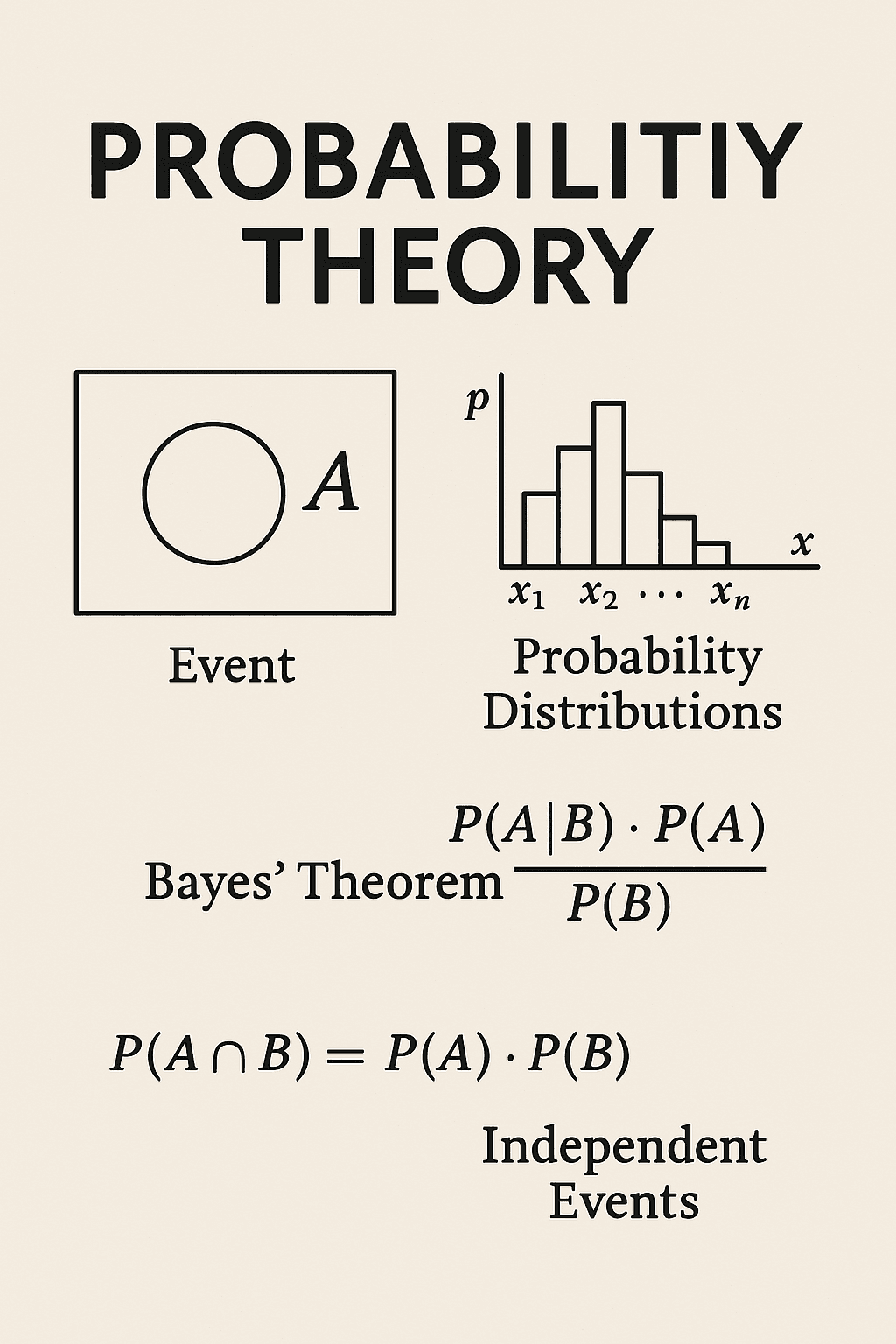
Probability Theory
Probability is commonly used to express the chance of an event occurring. Probability theory is a mathematical modeling tool that helps predict the future states or events of a specific system. Fundamentally, probability theory consists of three main components: events, probability distributions and random variables. Events An event is the occurrence of a specific condition. For example, rolling a die and obtaining a particular number is such an event. Probability Distributions A probability dis
EN
Zehra Yayla
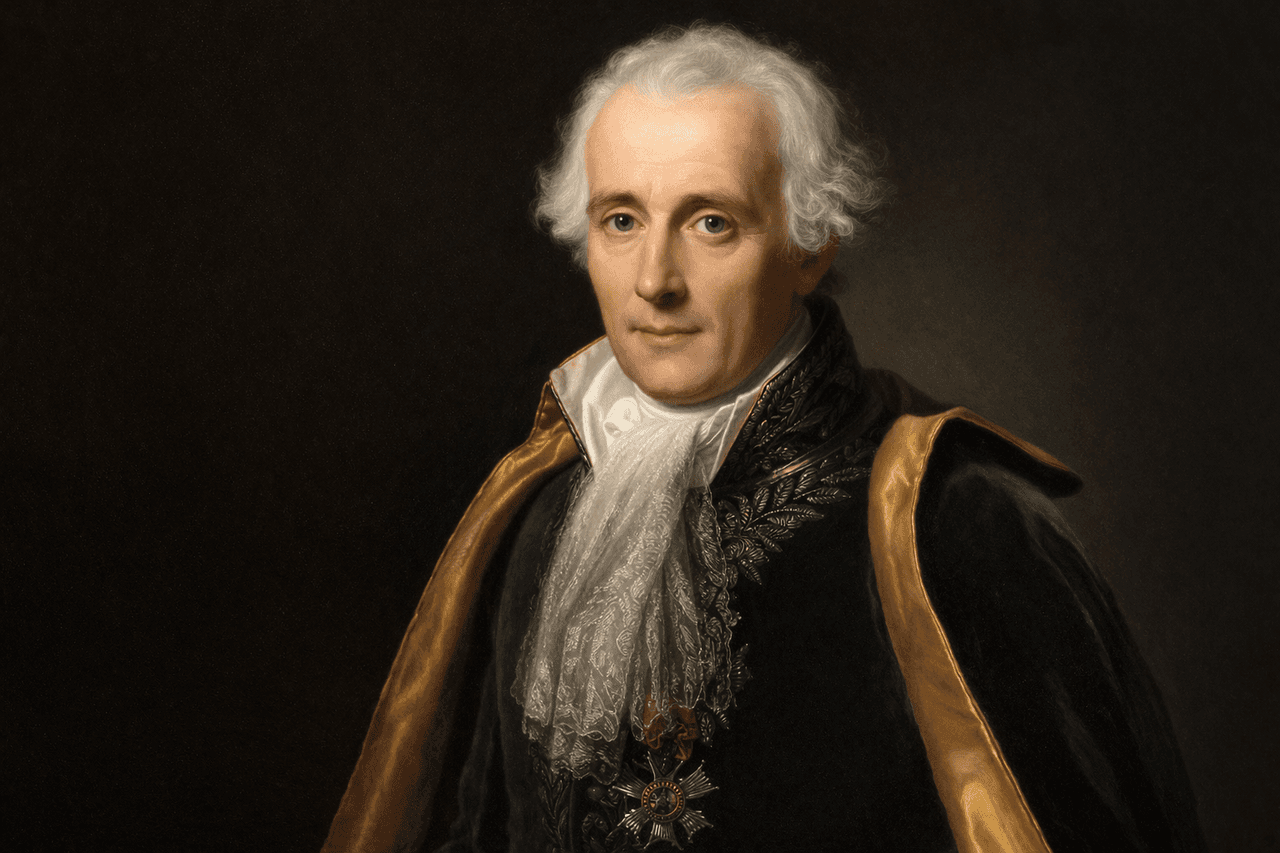
Pierre-Simon Laplace
Pierre-Simon Laplace, a French scientist who proved the stability of the Solar System, established probability theory on modern mathematical foundations, and developed fundamental concepts such as the Laplace transform through the potential function. In addition to his academic achievements, he played a role in the creation of the metric system and held various high-level political offices from the Napoleonic era through the Restoration. Origins Early Education and Move to Paris Pierre-Simon Lap
EN
Gülbahar Yetiş