

`balkans` Related Article Results
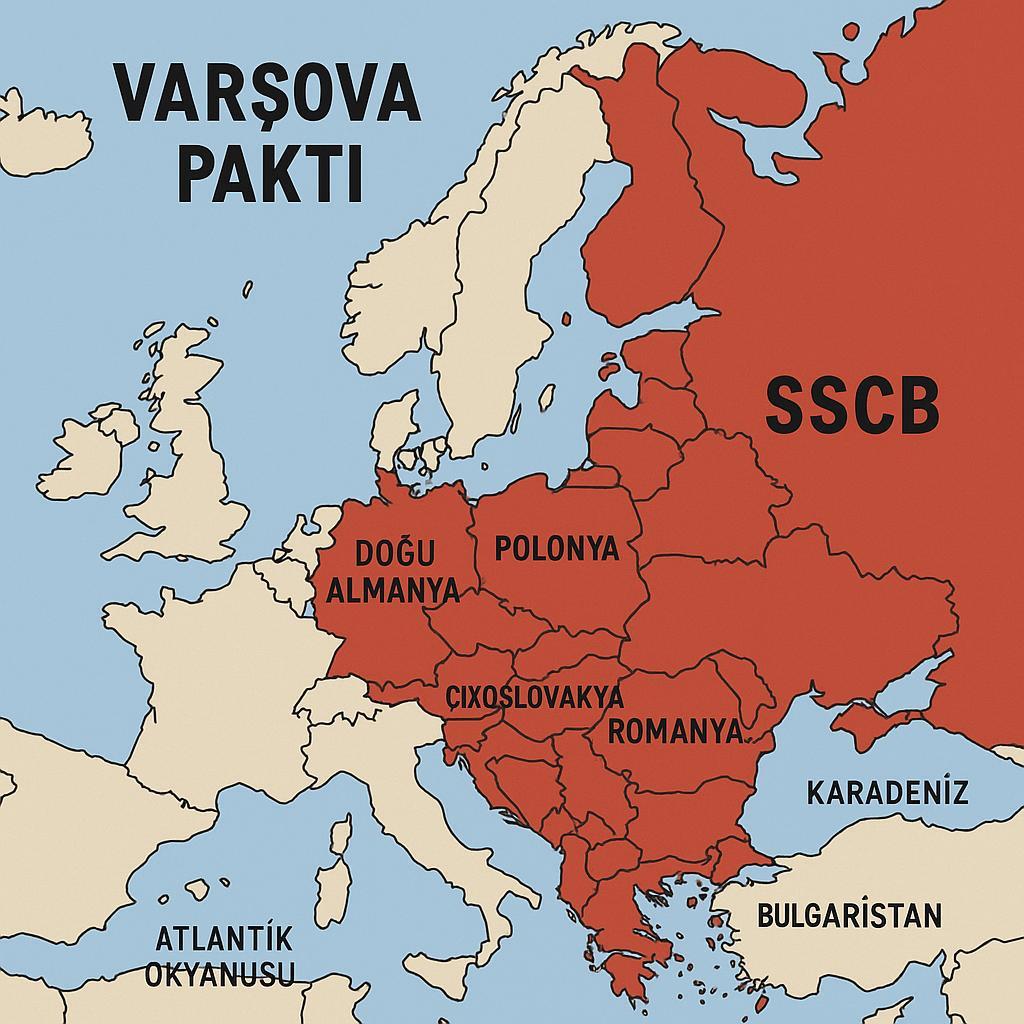
Warsaw Pact
The Warsaw Pact, one of the most significant military and political blocs of the Cold War era, was established by a treaty signed on 14 May 1955 in Warsaw, the capital of Poland. Officially known as the Warsaw Treaty Organization (WTO), it was a collective defense system formed by Eastern Bloc countries in opposition to NATO, which had been established by the West. Reasons for the Formation and Objectives of the Warsaw Pact The founding members were the Soviet Union, Albania, Bulgaria, Czechoslo
EN
Mustafa Cem İnci
 Wo
WoWorld Ulah Day
World Aroman Day is a national and cultural observance celebrated annually on 23 May by Aroman (Vlach) communities living in various regions of the world, particularly the Balkans. This date marks the anniversary of the decree issued by Ottoman Sultan Abdülhamid II on 22 May 1905, which officially recognized the Aromans as a distinct millet (millet-i Ulah) within the Ottoman Empire. The Aromans regard this date as a turning point in the recognition of their national identity, the guarantee of th
EN
Duygu Şahinler
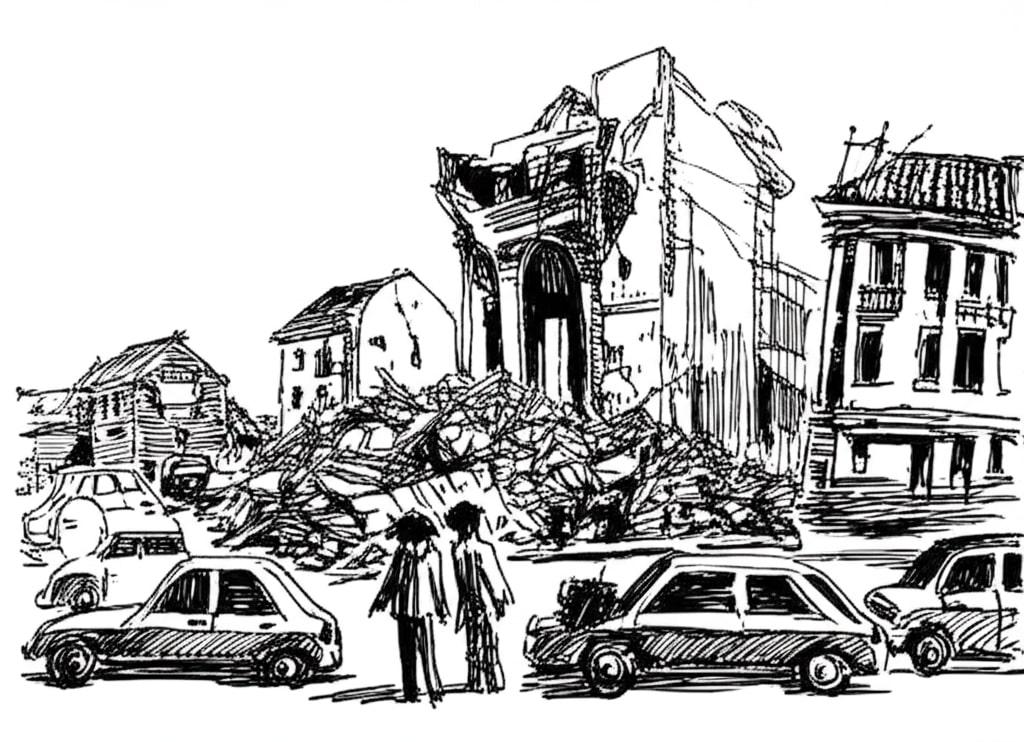
1963 Skopje Earthquake
1963 Skopje Earthquake occurred on 26 July 1963 at 5:17 a.m. in Skopje, the capital of Macedonia, which at the time was part of the Socialist Federal Republic of Yugoslavia. It is regarded as one of the most destructive natural disasters to affect the Balkans in the 20th century. The morning shock rendered more than 80 percent of the city unusable. The earthquake’s destructiveness drew attention not only for its geological aspects but also for its sociopolitical and architectural dimensions. Geo
EN
Nursena Şahin
Yücelciler
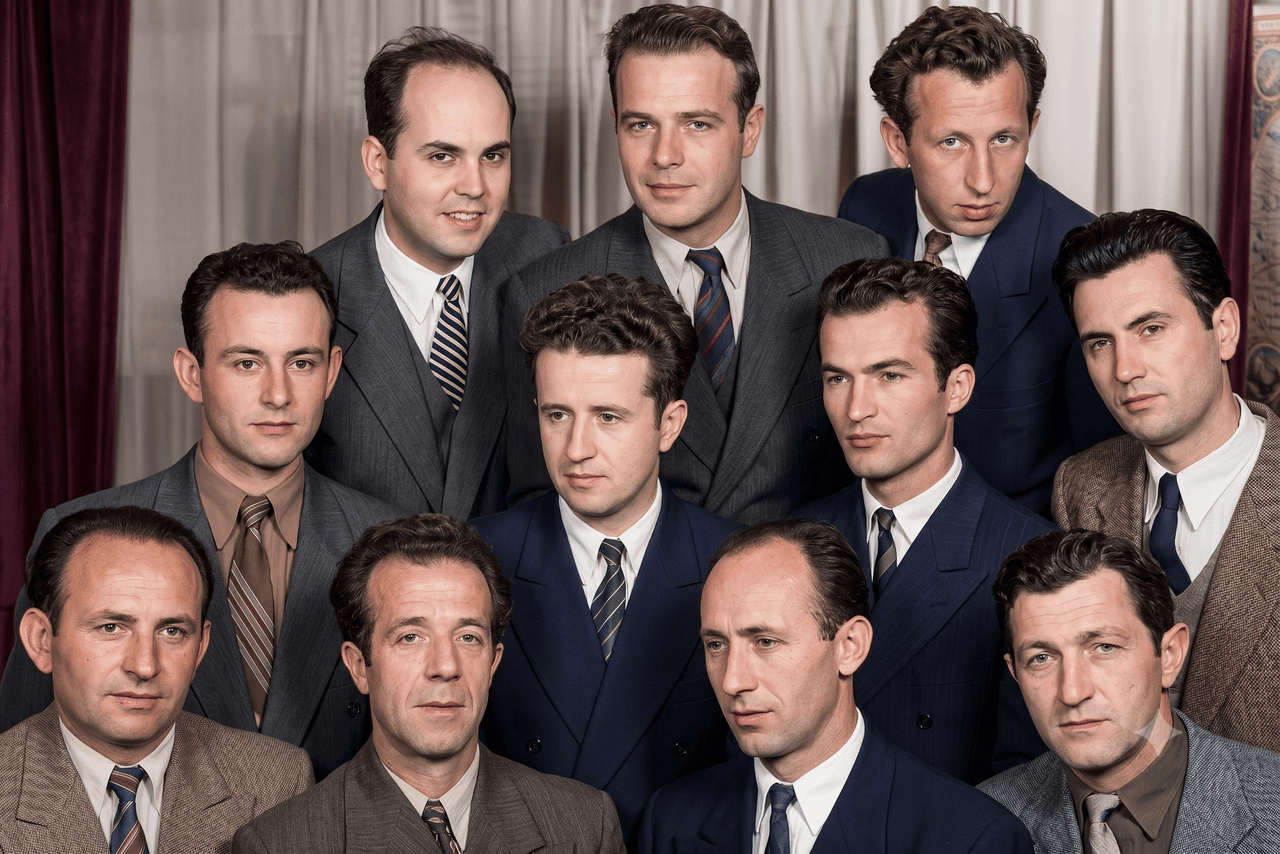
Yücelciler (Yücel Organization) is a secret Turkish organization established to preserve the national, cultural, and religious identity of the Turks living within the borders of the Socialist Federal Republic of Yugoslavia after World War II, particularly in Macedonia. Founded in 1941 with its center in Skopje, the organization aimed to foster national consciousness among Macedonian Turks primarily through educational, cultural, and media activities.【1】 Key figures in the founding of the organiz
EN
Zeyneb Kurun
Aleksandar Vučić
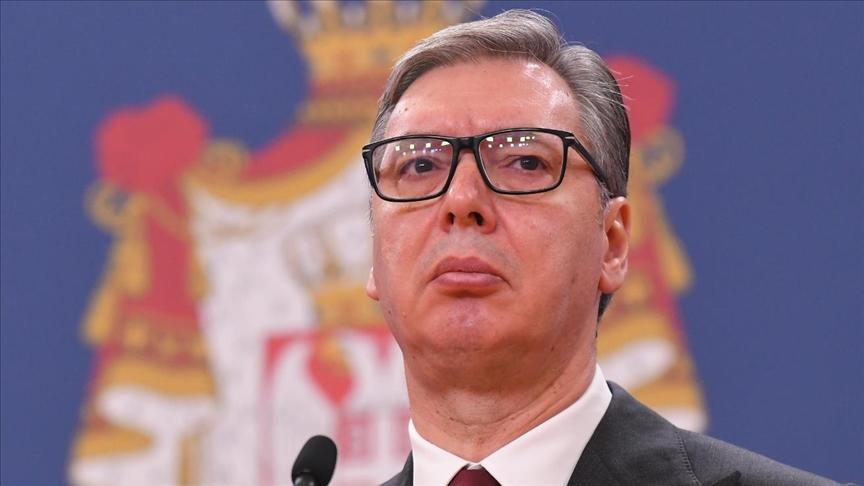
Aleksandar Vučić (born 5 March 1970, Belgrade) is one of Serbia’s politicians with a legal education. Since the 1990s he has held positions in both the Serbian Radical Party (SRS), which followed a nationalist line, and later in the Serbian Progressive Party (SNS), of which he was one of the founders. He has served as both prime minister and president of Serbia and has become one of the most decisive figures in the country’s politics due to his influence over the executive branch and party struc
EN
Hamza Aktay
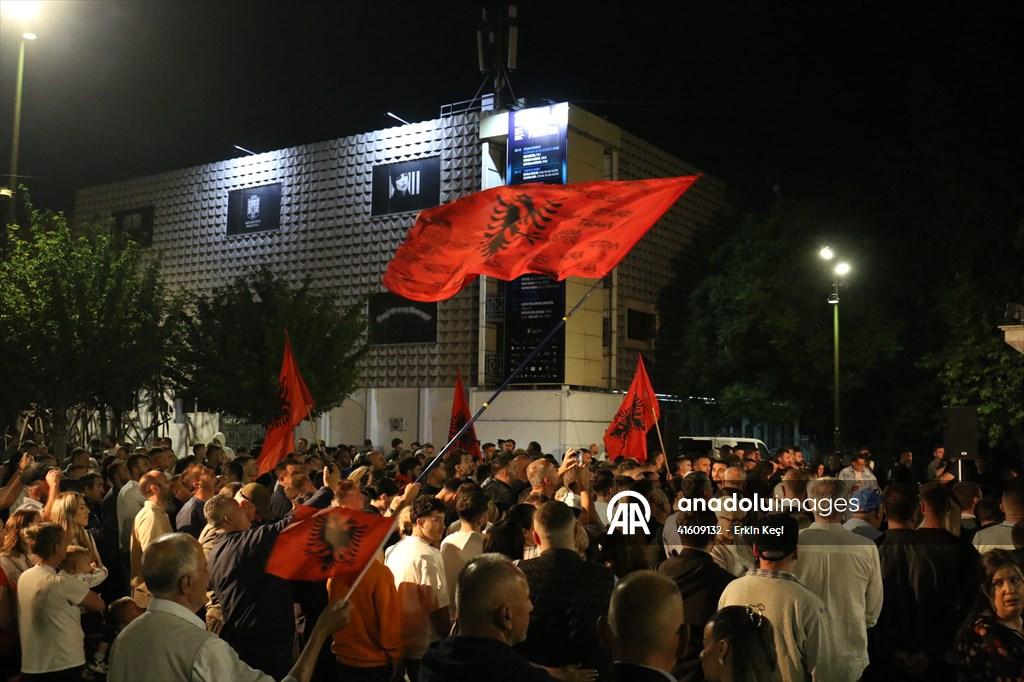
2026 Kosovo Early General Elections
The 2026 Kosovo Early Parliamentary Elections were held on 7 June 2026 in the Western Balkan country of Kosovo. This election marked Kosovo’s third trip to the polls within 16 months and resulted from the constitutional dissolution of the Assembly due to the failure to reach consensus on a presidential candidate. The Movement for Self-Determination (Vetevendosje) emerged as the leading party; the final results were officially announced by the Kosovo Central Election Commission (KCEC) on 27 June
EN
Meryem Yılmaz
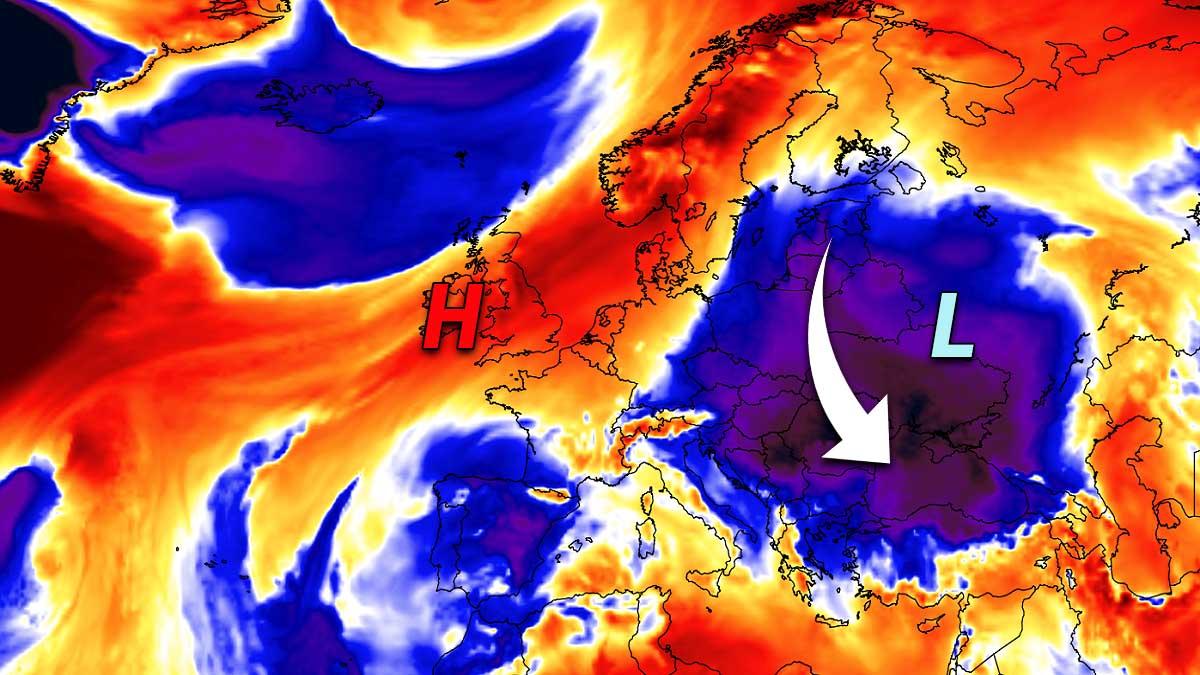
Balkanlardan Gelen Soğuk Hava Dalgası (English)
“Balkanlardan gelen soğuk hava dalgası” is a popular phrase in Türkiye that translates to “the cold air wave coming from the Balkans” in English. It describes a meteorological phenomenon where cold air masses from the Balkan Peninsula affect the country, causing a drop in temperatures and winter weather conditions. Meteorological Significance This phrase often refers to real weather patterns. Cold air masses formed in Central and Eastern Europe move southward through the Balkans, eventually reac
TR
Doğan Eşkinat
Bulgaria
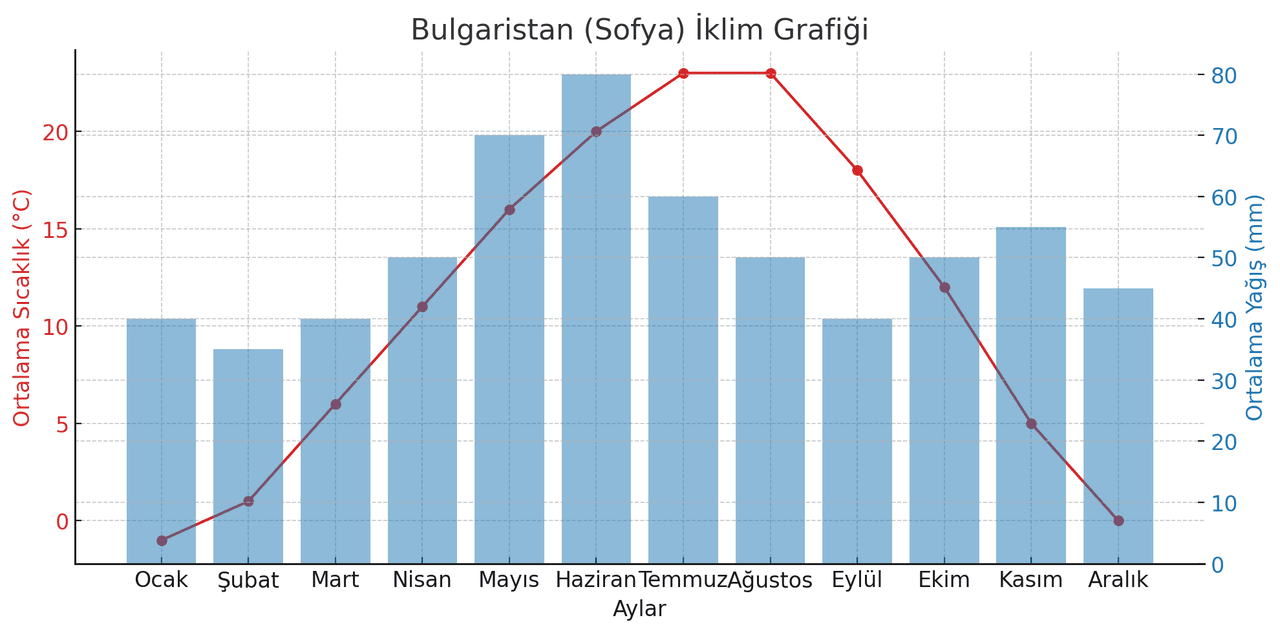
Bulgaria is a East Europe country located in place and bordering the Black Sea. With an area of 110,910 km², country shares its northern border with Romania, its western border with Serbia and North Macedonia, and its southern border with Greece and Türkiye. Its capital and largest city is Sofia. Bulgaria is known for its rich historical heritage, cultural diversity, and natural beauty. Plovdiv, one of the country’s oldest cities, is recognized as one of Europe’s oldest continuously inhabited se
EN
Mehmet Salih Çoban
1963 Skopje Earthquake
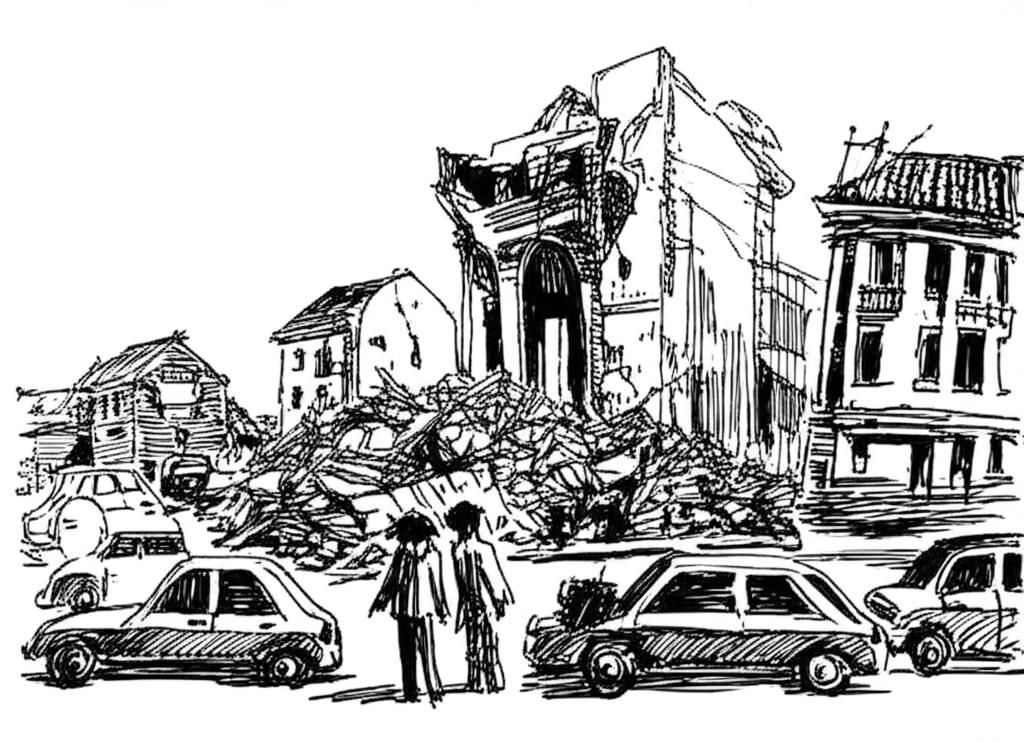
The 1963 Skopje Earthquake occurred on 26 July 1963 at 5:17 a.m. in Skopje, the capital of Macedonia, which at the time was part of the Socialist Federal Republic of Yugoslavia. It is regarded as one of the most destructive natural disasters to affect the Balkans during the 20th century. The morning tremor rendered more than 80 percent of the city uninhabitable. The earthquake’s destructiveness drew attention not only for its geological impact but also for its sociopolitical and architectural di
EN
Nursena Şahin
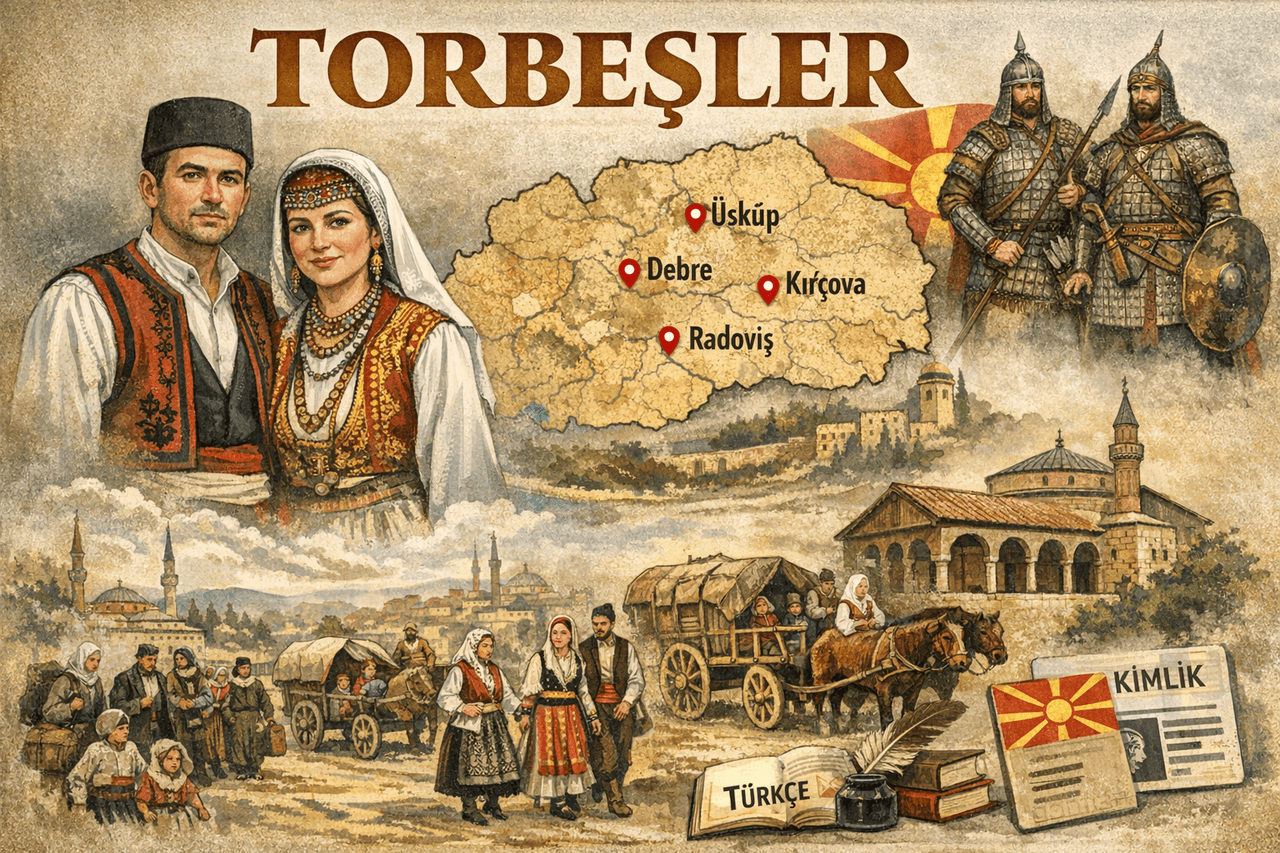
Torbeşler
Torbeş are a Muslim community speaking Macedonian, settled in the Balkan region, particularly in the western and south-western parts of North Macedonia. Known in literature as “Macedonian Muslims,” this group possesses a religious and cultural identity distinct from ethnic Macedonians. Indeed, the term “Macedonian Muslim” has been rejected by the Torbeş themselves, and it has been argued that this label functions as an assimilationist tool aimed at incorporating them into a Slavic ethnic identit
ENNursena Şahin