

`athens` Related Article Results
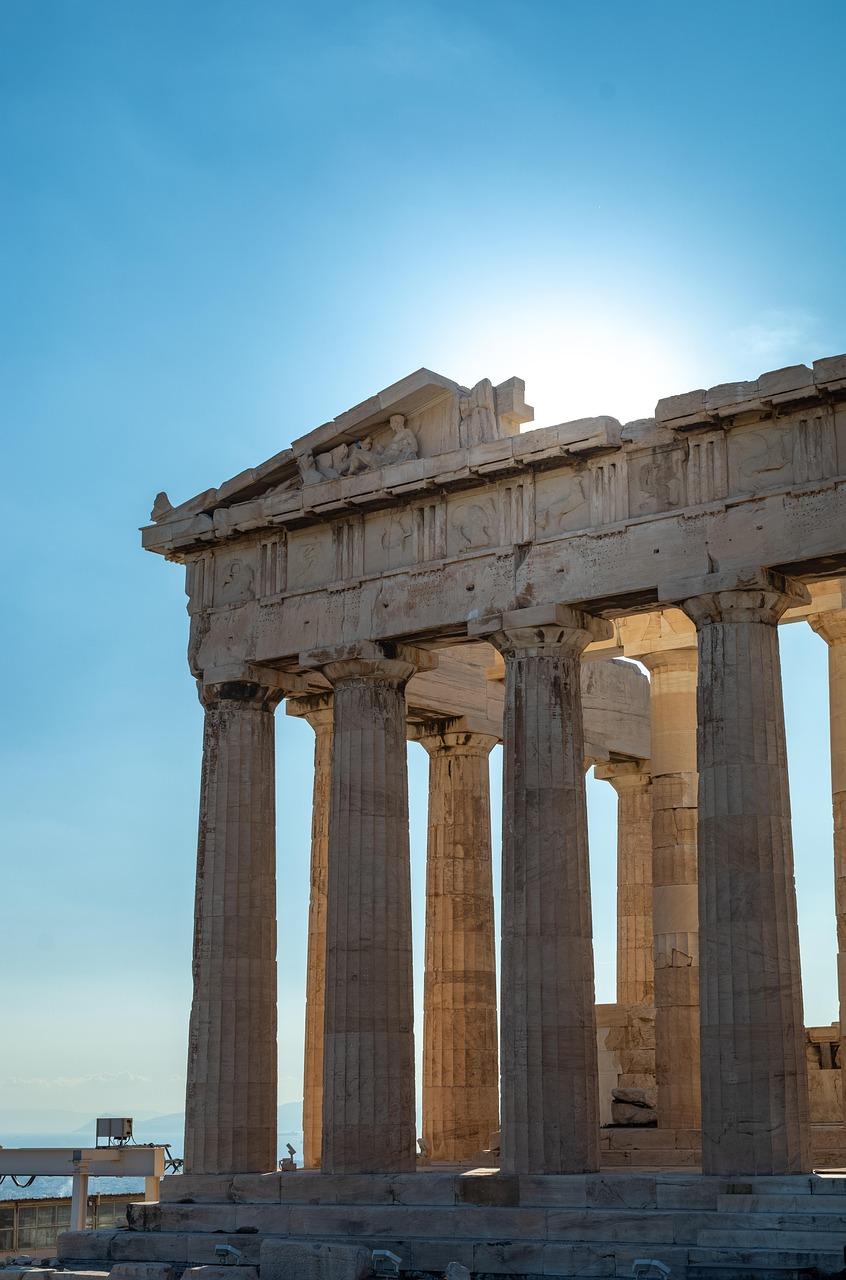
Acropolis of Athens
Acropolis of Athens is a complex of temples and monumental structures dedicated to the goddess Athena, recognized as one of the cultural and architectural legacies of Ancient Greece. Located on a rocky outcrop approximately 156 meters high, the site was rebuilt in the 5th century BCE under the leadership of Pericles during Athens’ political and artistic golden age. Throughout history, the Acropolis has served various functions under different civilizations and was inscribed on the UNESCO World H
EN
Miray GÜR
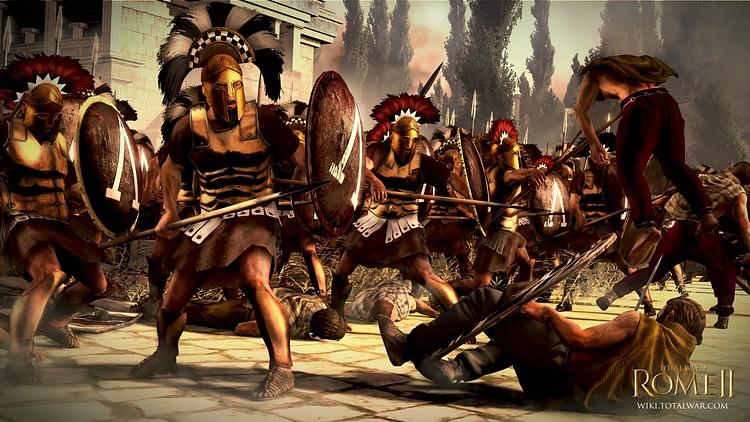
Greco-Persian Wars
The Persian Empire, whose origins date back to around 550 BCE, significantly expanded its borders by conquering the territories of the Babylonian Empire and the Lydia State in Anatolia. After annexing Anatolia, it organized its territories into local satrapies(It is a system of administration used by the Persians. Each satrapy represents a province.) ">【1】. Following the establishment of the “king Road,” approximately 2500 km long, which facilitated trade between East and West, the Persians s
EN
Mustafa Cem İnci
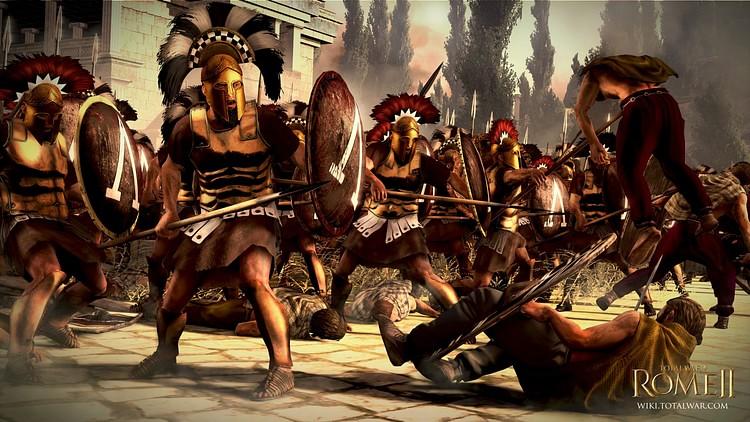
Persian-Greek Wars
The Persian Empire, whose origins date back to around 550 BCE, significantly expanded its borders by conquering the territories of the Babylonian Empire and the Lydian State in Anatolia. After annexing Anatolia, it organized the regions into local satrapies 【1】 and continued its expansion. Following the creation of the “Royal Road,” approximately 2500 km long, which facilitated trade between the East and the West, the Persians set their sights further afield. In 513 BCE, the Persian army crossin
EN
Mustafa Cem İnci
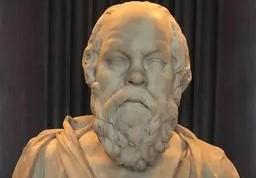
Socrates
Socrates is regarded as one of the foundational figures of ancient Greek philosophy. Living in Athens during the 5th century BCE, he deepened philosophical thought through inquiry and critical dialogue. His teachings and methods have reached us through his students Plato and Xenophon. Life Socrates’ exact birth year is unknown, but he is believed to have been born around 470 BCE in the Alopeke district of Athens. His father, Sophroniscus, was a stonemason, and his mother, Phaenarete, was a midwi
EN
Birgül Kayık
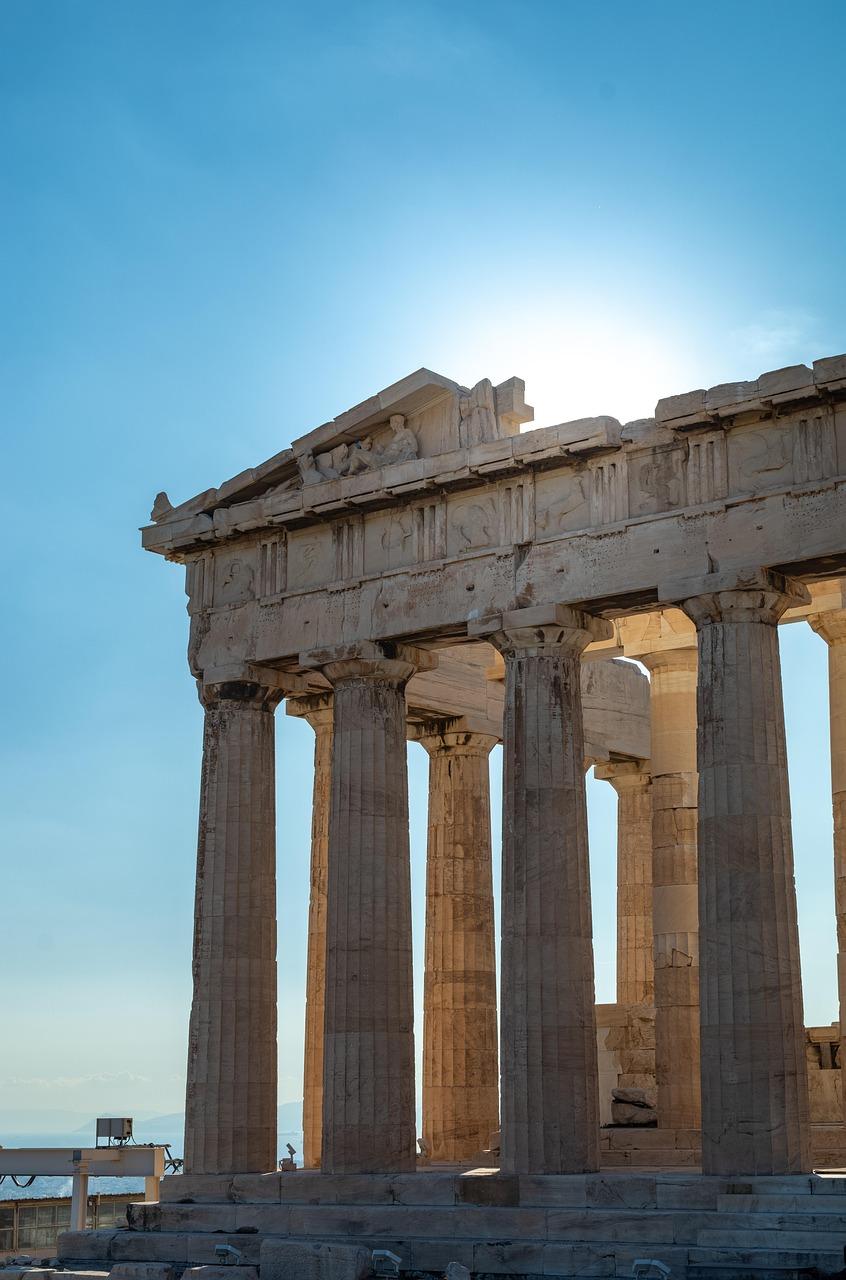
Acropolis of Athens
The Acropolis of Athens is a complex of temples and monumental structures dedicated to the goddess Athena, recognized as one of the cultural and architectural legacies of ancient Greek civilization. Located on a rocky outcrop approximately 156 meters high, the site was rebuilt in the second half of the 5th century BCE under the leadership of Pericles during Athens’ political and artistic golden age. Throughout history the Acropolis has served various functions under different civilizations and w
EN
Miray GÜR
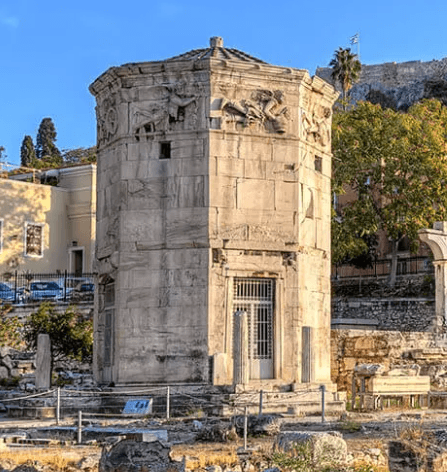
Tower of the Winds
The Tower of the Winds (Greek: Ὠρολόγιον Ἀνδρονίκου Κυρρήστου; Latin: Horologium) was built in the 1st century BC in Athens by the astronomer and engineer Andronikos of Cyrrhus. The structure is located east of the Agora of Athens and is situated near one of the important trade and public areas of the ancient city. The tower was constructed with an octagonal plan and reflects the engineering techniques of the period. Pentelic marble, a type of marble commonly used and preferred for long-lasting
ENElyesa Köseoğlu