

`astronauts` Related Article Results
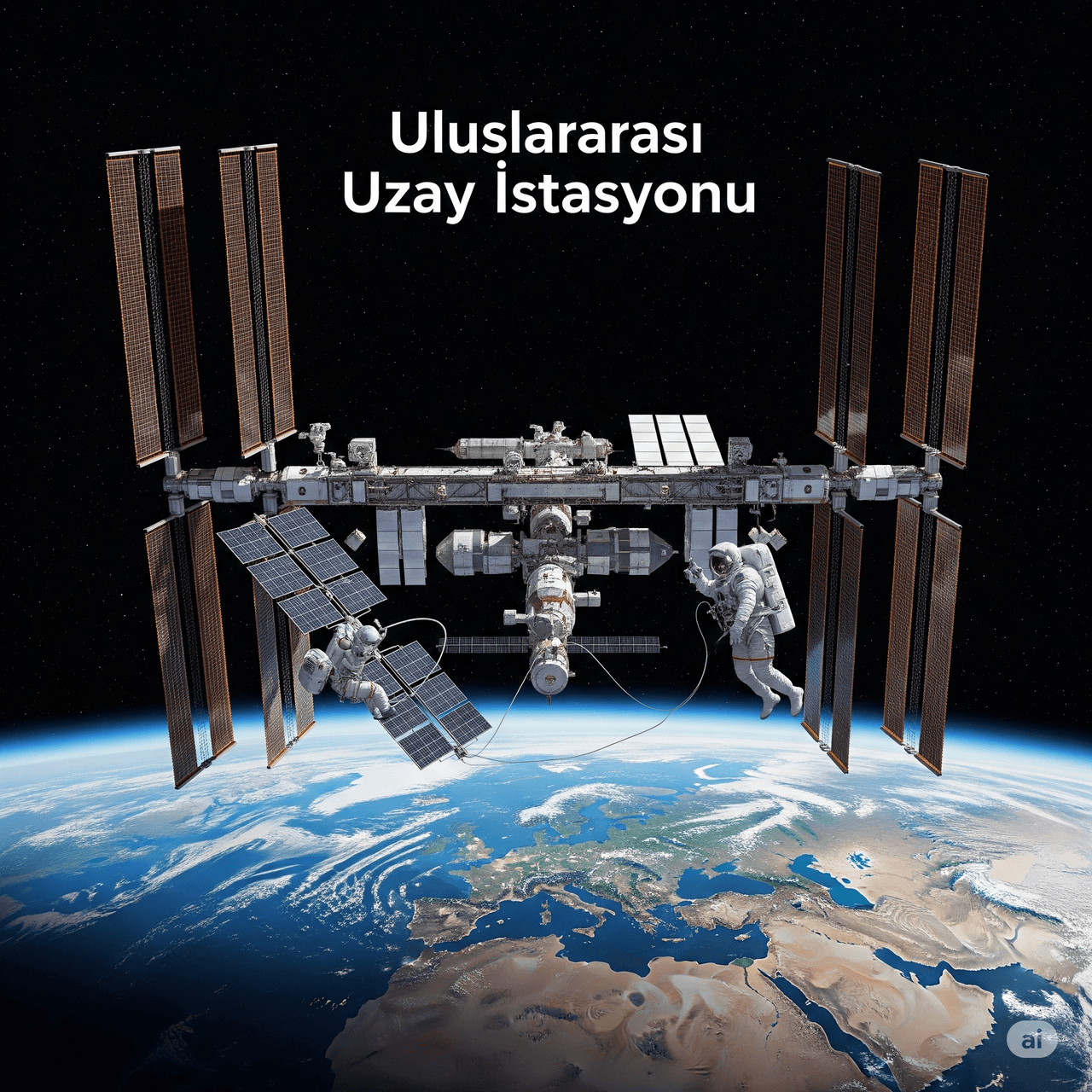
International Space Station (ISS)
A Giant Home in Space The International Space Station (ISS) is a space station orbiting Earth. It travels approximately 400 kilometers above the planet's surface, moving at a speed of 28,000 kilometers per hour and completing one full orbit around Earth in just 90 minutes. As a result, astronauts aboard the station witness 16 sunrises and sunsets each day! (Generated by Artificial Intelligence.) " image-element-format="right" image-source="https://cdn.t3pedia.org/media/uploads/2025/08/02/eoQxLYJ
EN
Hikmet Can Urhan
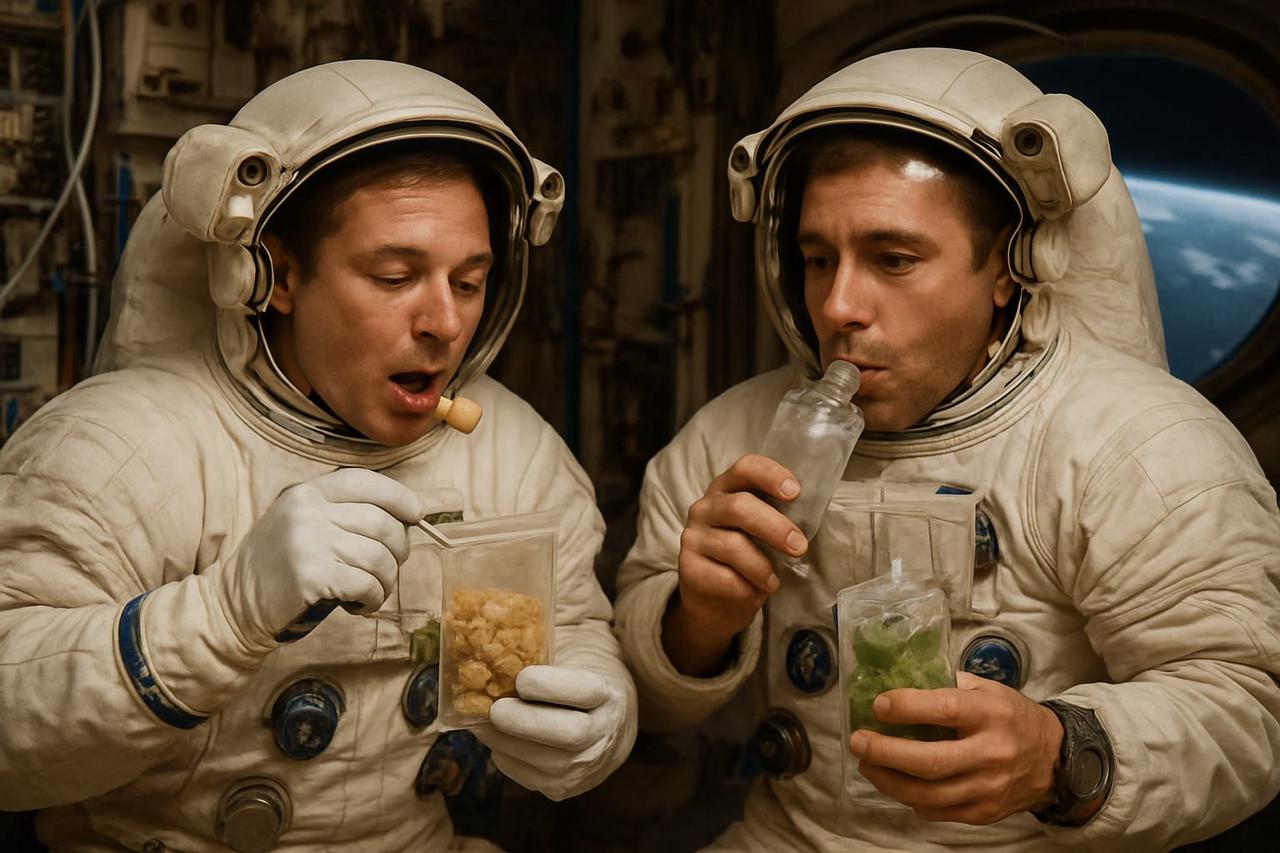
How Do Astronauts Eat in Space?
Space travel becomes possible not only through technological achievements but also through detailed planning aimed at preserving human health. At the forefront of these plans is the astronauts’ nutrition regimen. In a microgravity environment, the selection, storage, and consumption of food occur under conditions vastly different from those on Earth. Nutrition in space does more than simply sustain the body; it also supports psychological resilience. The Importance of Balanced Nutrition The ener
EN
Mehmet Bağcı
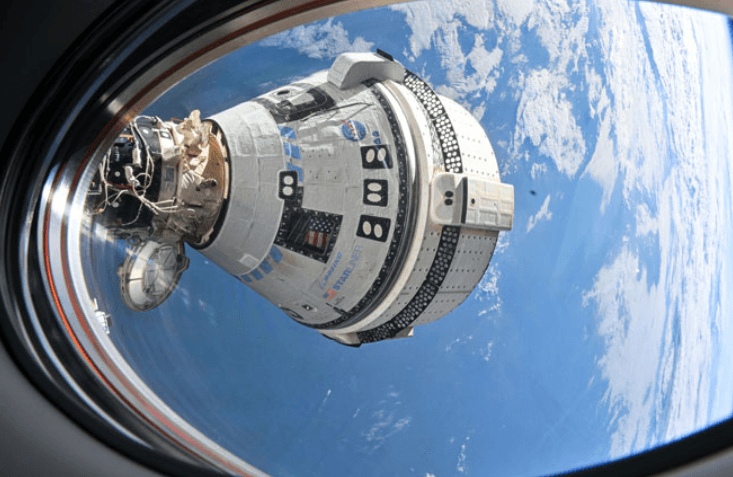
Boeing Starliner Mission: Astronauts Stranded in Space
NASA astronauts Commander Barry Wilmore and Pilot Sunita Williams launched from Earth on June 5, 2024, aboard Boeing's Starliner spacecraft, heading to the International Space Station (ISS). This mission marked Starliner's first crewed flight and was planned to last eight days. However, due to technical issues during the mission, the astronauts' return to Earth was delayed, making this a rare event in space history. The Mission Plan and Expectations According to NASA's plan, the Starliner spacec
EN
Beyza Nur Türkü
 Ag
AgAgreement on the Rescue of Astronauts and the Return of Space Objects
The Agreement on the Rescue of Astronauts, the Return of Astronauts, and the Return of Objects Launched into Outer Space is an international treaty that elaborates on the principles established in the 1967 Outer Space Treaty regarding the peaceful use of space activities. Adopted by the United Nations in 1968 and entering into force in 1969, the agreement aims to promote cooperation among states in ensuring the safety of astronauts as "envoys of humankind" and regulating the process of returning
EN
Ahsen Karakaş
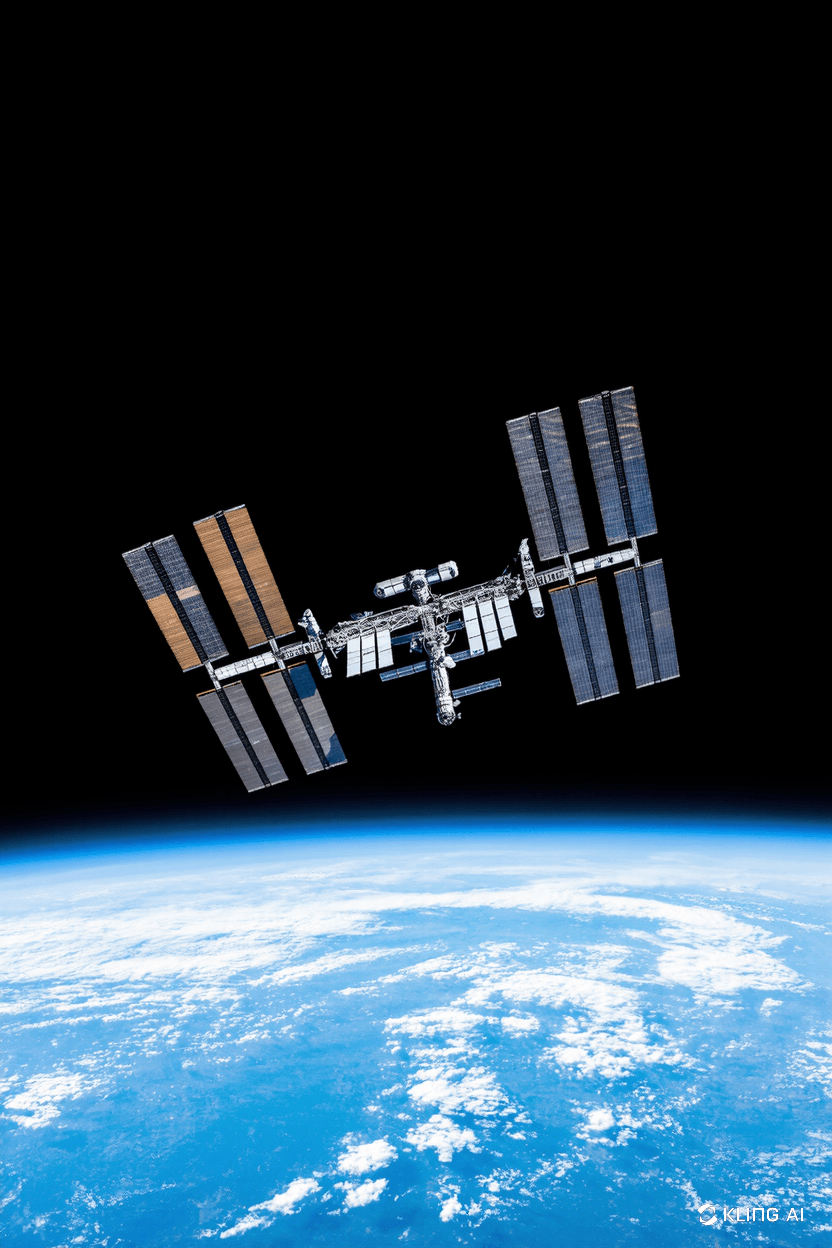
How Do Space Stations Work?
The Giant Home in Space 🏠🌌 The International Space Station (ISS) is the largest science laboratory in space! Astronauts live there, conduct experiments, and orbit Earth 16 times a day. The ISS was built through the joint efforts of different countries and functions like a massive spacecraft. Astronauts perform scientific experiments, grow plants, and study how their bodies change in microgravity. They also exercise, eat meals, and communicate with Earth. Their daily routines are highly planned
EN
Erva Öztürk