

`assimilation` Related Article Results
 Pr
PrProduction
Origin It is a word of Turkish origin, newly formed by adding the derivational suffix "+(ı)m" to the verb root "yap-". Areas of Use General: Used to denote the construction or creation of a material or structure in the construction, architecture, and industry sectors. Cinema and Television: Preferred to refer to the entire process of filming, preparation, and production of a visual-audio work. Biology: Used to describe assimilation (anabolism) processes in organisms.
EN
Aykut Laçın
FlFlowers Grow (Book)
Flowers Grow is a novel by Emine Işınsu that addresses the repression and assimilation experienced by the Turkish minority in Bulgaria during the second half of the 20th century. The work was written in 1978 and subsequent editions have been published by Elips Kitap (Istanbul, 2008, 4th edition) and Bilge Kültür Sanat (Ankara, 2015). The edition published by Bilge Kültür Sanat contains 479 pages and is divided into four parts. At the beginning of the book, the author dedicates it to her father w
EN
Duygu Şahinler
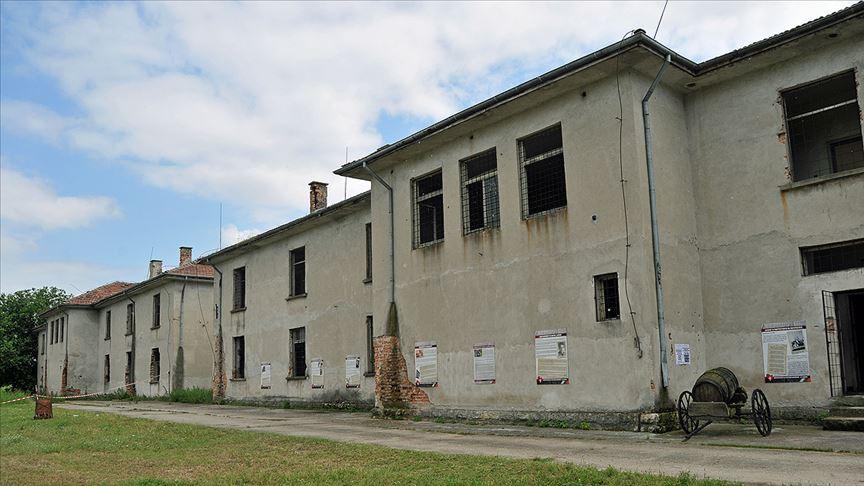
Belene Collection Camp
Belene Collection Camp is a repressive institution established and operated in socialist Bulgaria to isolate individuals deemed opponents or potentially oppositional by state authorities without judicial proceedings, through administrative orders. The camp functioned as an institutionalized instrument of assimilation, absorption, and control policies targeting minorities and groups resisting regime policies. Establishment and Operation of the Belene Collection Camp Belene Collection Camp is loca
ENDuygu Şahinler
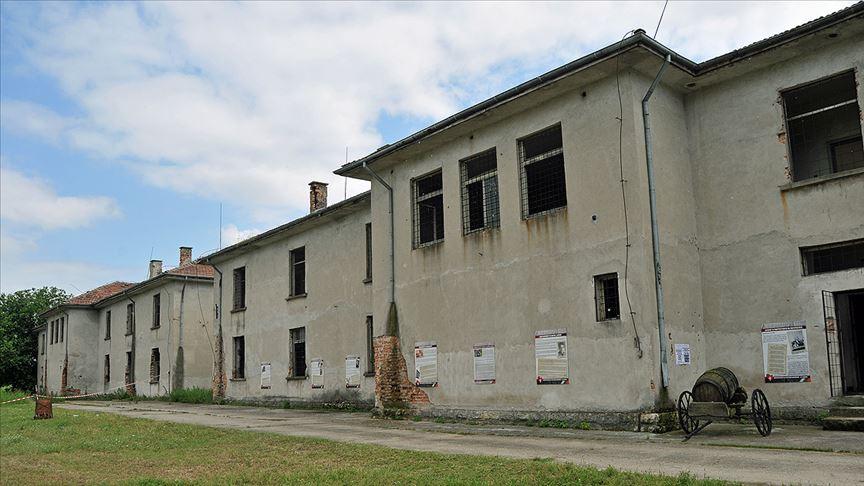
Belene Collection Camp
Belene Internment Camp was a repressive institution established and operated in socialist Bulgaria to isolate individuals deemed hostile to or potentially hostile toward the state authority, without due judicial process, through administrative orders. The camp functioned as an institutionalized instrument of assimilation, absorption, and control policies targeting minorities and groups resisting regime policies. Fahri Yaşaroğlu, a Victim of Belene, Describes His Experiences (AA) " youtube-video-
EN
Duygu Şahinler
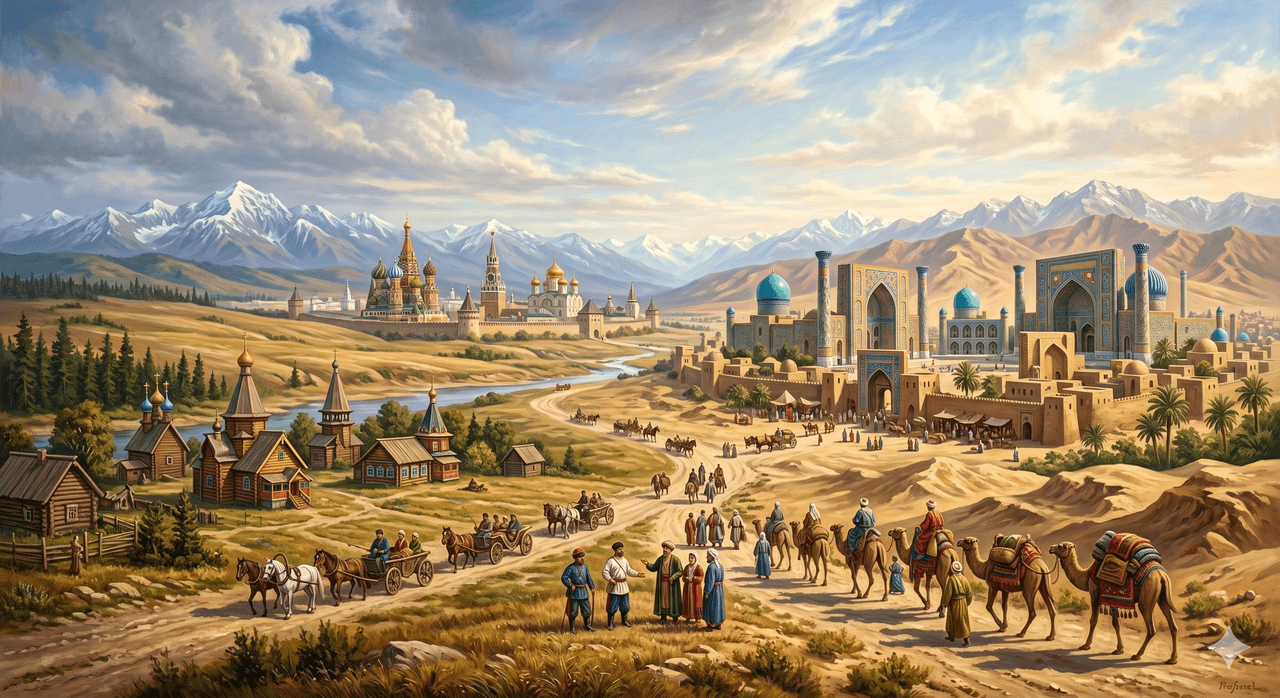
Russians and Turkistan
When the Russians first appeared on the historical stage, they generally faced the dominance of Turkic peoples in Europe in both geographical and military terms. This social structure, which was minimally developed in early periods, has even been described in some sources as culturally quite primitive. Indeed, it is well known that the earliest Russian communities significantly benefited from and were influenced by the culture and civilization of the Turkic peoples in the region. Struggling to s
EN
Mustafa Cem İnci