

`ashura-day` Related Article Results
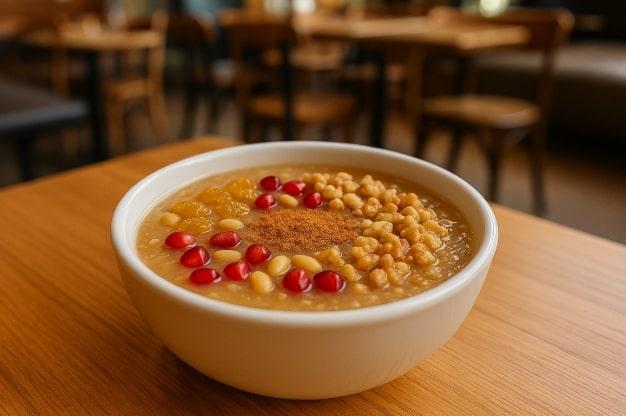
Aşure
Aşure is recognized as a traditional dessert across the Türkiye region, including Middle East and Balkans, with important cultural roots. This sweet, carrying both religious and social significance, is prepared during a specific period of the year, particularly on the tenth day of the Islamic lunar month of Muharram, and distributed for communal sharing. Aşure has been preserved for centuries as a multi-layered cultural symbol shaped by literature and belief systems.History and OriginsThe sacred
EN
Meryem Betül Kaya

Aşure Day
What Is Ashura Day?Ashura Day is observed on the tenth day of Muharram according to the Islamic calendar. This special day holds deep significance in Islamic culture, particularly within the Turk-Islamic tradition. The word “Ashura” derives from the Arabic term “ashara,” meaning “ten.” This day, marked by significant historical and religious events, is regarded as a symbol of sharing, unity, peace, and solidarity.Ashura Day is one of the most virtuous and blessed days in Islam. According to the
EN
Zozan Demirci
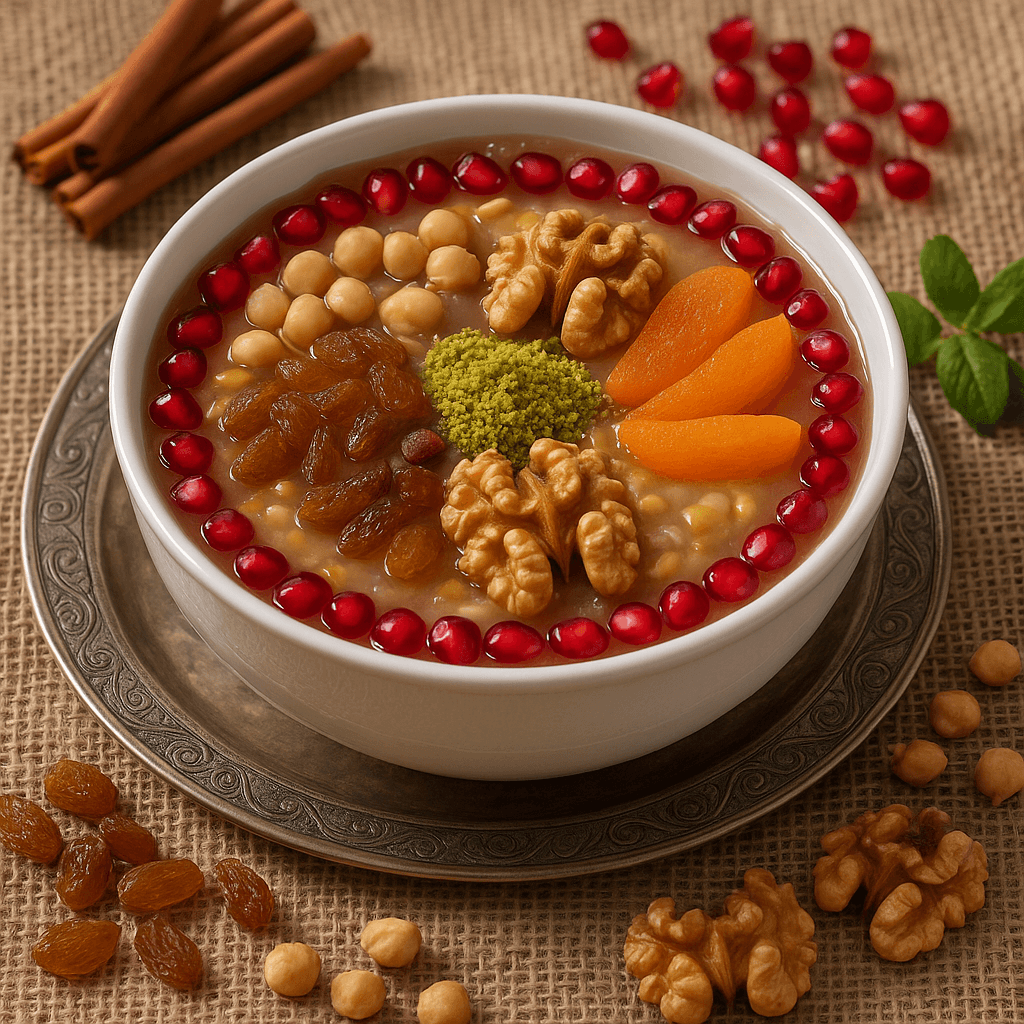
Ashura Day
Aşure Day is a special day that, throughout history, has carried multiple religious and cultural meanings and is observed in Islamic societies through a shared sense of values. This day corresponds to the tenth day of Muharram, the first month of the Islamic calendar, and has held special significance not only in the Islamic world but also in Jewish and Christian cultures, evolving over time into a day commemorated through fasting and rituals. The formation of rituals associated with Aşure Day i
EN
Onur Çolak