

`artificial-rain` Related Article Results
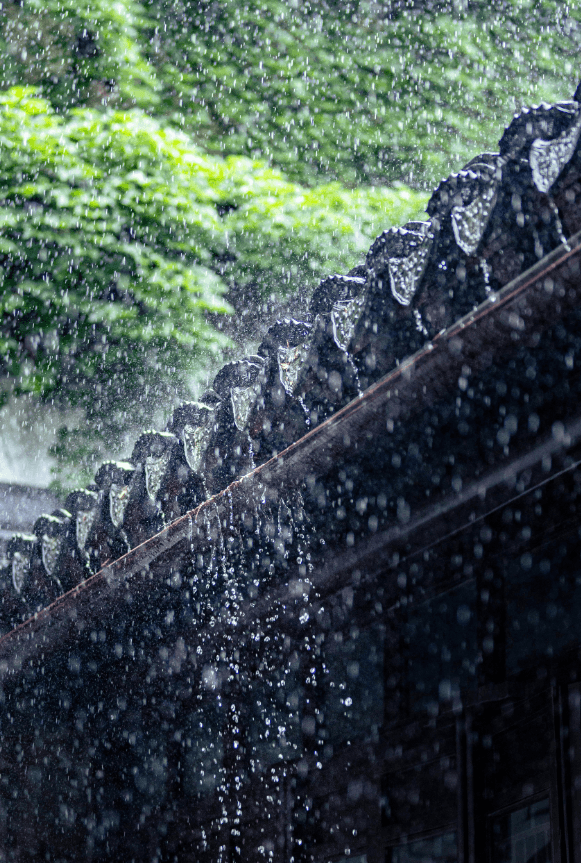
Artificial Rain
Artificial rain is the production of artificial precipitation by scientifically and technologically triggering or enhancing precipitation processes that would naturally occur. Typically, specific chemicals are introduced into existing atmospheric clouds to convert water droplets into ice crystals, with the aim of inducing precipitation. This process is also referred to in meteorological literature as “weather modification.” The most common application of this practice, cloud seeding, has been sy
EN
Emir Cengiz Çulha
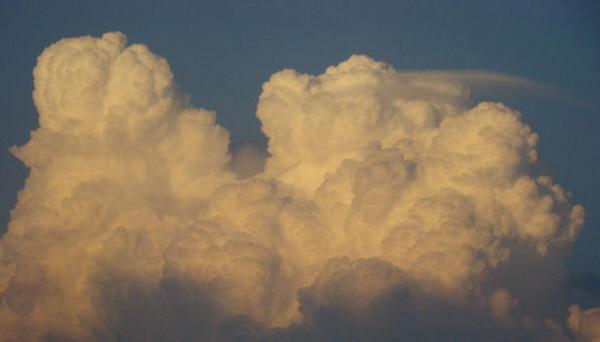
Cloud Seeding
Cloud seeding is a weather modification technique that aims to increase precipitation by injecting specific chemicals—such as silver iodide, dry ice, or hygroscopic salts—into clouds with suitable physical conditions. This method is applied to support agricultural production, enhance water resources, combat drought, or suppress harmful weather phenomena like hail and fog. Visual illustrating cloud seeding and artificial precipitation. (MGM — Yang H. Ku, 2021) " image-alternate="" image-element-f
EN
Samet Şahin
Cloud Seeding
Cloud seeding, is a weather modification technique aimed at increasing precipitation by injecting specific chemicals (such as silver iodide, dry ice, and hygroscopic salts) into clouds with suitable physical conditions. This method is applied to support agricultural production, enhance water resources, combat drought, or suppress harmful weather phenomena such as hail and fog. History The origins of modern cloud seeding stem from experiments conducted by Irving Langmuir and Vincent Schaefer duri
EN
Samet Şahin