

`architect` Related Article Results

Enemy Architecture
Exclusionary Architecture (Hostile Architecture) is an urban design strategy that deliberately restricts and controls the use of urban and public spaces for specific groups and behaviors. Hostile architecture is regarded as one of the most visible tools for implementing social exclusion. Public spaces in modern cities are not only assessed for their architectural aesthetics but also as physical manifestations of social relations, power dynamics, and societal priorities. In this context, hostile
EN
Yahya B. Keskin
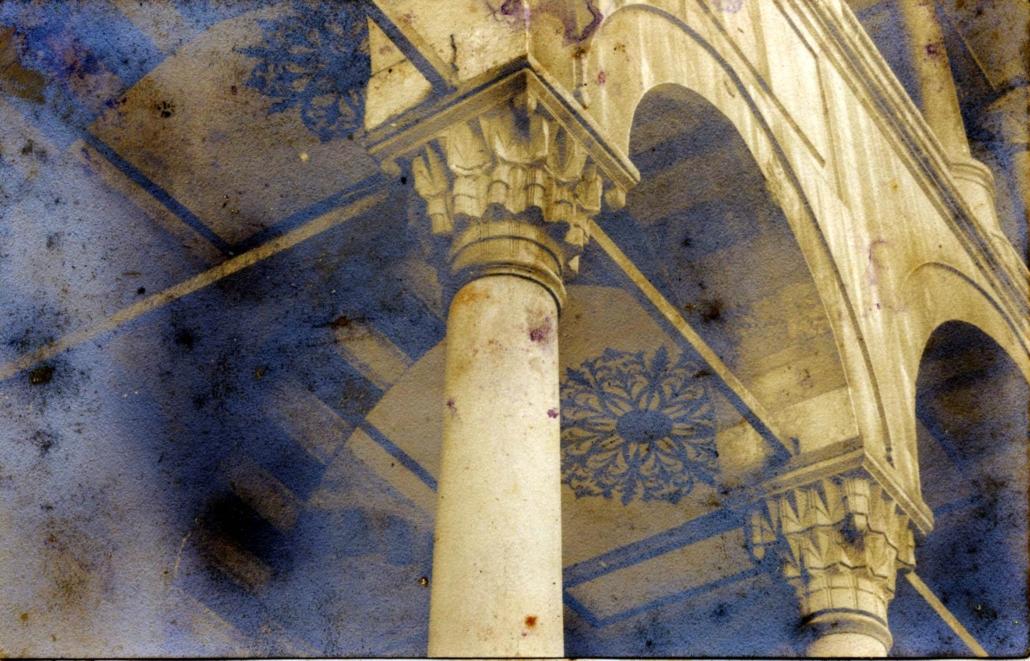
The Symbolism of Süleymaniye Camii
Süleymaniye Camii is not merely a structure that defines Istanbul’s skyline; it is a masterpiece that unites the power, faith, and intellect of the Ottoman Empire under a single dome. Created in the 16th century by Mimar Sinan, this work rises above the city like a prayer ascending to the heavens. Constructed in the name of Kanûnî Sultan Süleyman, this mosque is regarded as the pinnacle of Islamic civilization’s aesthetic, symbolic, and technical depth. The perfect balance of its dome, the way l
EN
Hümeyra Yılmaz
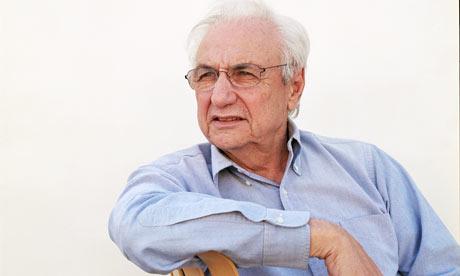
Frank Gehry
Frank Owen Gehry (28 February 1929 – 5 December 2025) was a Canadian-born American architect who became one of the most internationally recognized and discussed figures in architecture from the last quarter of the 20th century, known for his original formal language and innovative use of materials. Through projects realized under his firm Gehry Partners, founded in Los Angeles in 1962, he pushed the technical and aesthetic boundaries of architecture; he gained international fame through structur
EN
Nazlı Kemerkaya
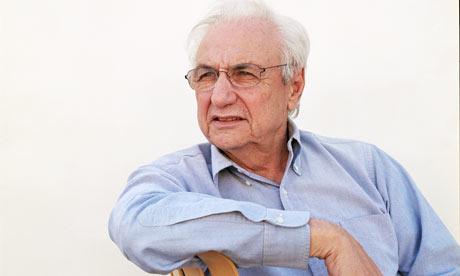
Frank Gehry
Frank Owen Gehry (28 February 1929 – 5 December 2025) was a Canadian-born American architect who became one of the most internationally recognized and discussed figures in architecture from the last quarter of the 20th century, known for his original formal language and innovative use of materials. Through projects realized under his firm Gehry Partners, established in Los Angeles in 1962, he pushed the technical and aesthetic boundaries of architecture; he gained international acclaim for struc
EN
Nazlı Kemerkaya

Light in Architecture
Light, one of the fundamental elements of architectural design, directly influences how space is perceived, interpreted, and experienced. Light does not merely define the boundaries of architectural space; it also shapes the aesthetic, functional, and psychological layers that constitute the identity of space. The central position of the concept of space in architectural theory further underscores the significance of light in this context. Theorists such as S. Gidion, B. Zevi, and Schulz have re
EN
Esra Özkafa