

`archetypes` Related Article Results
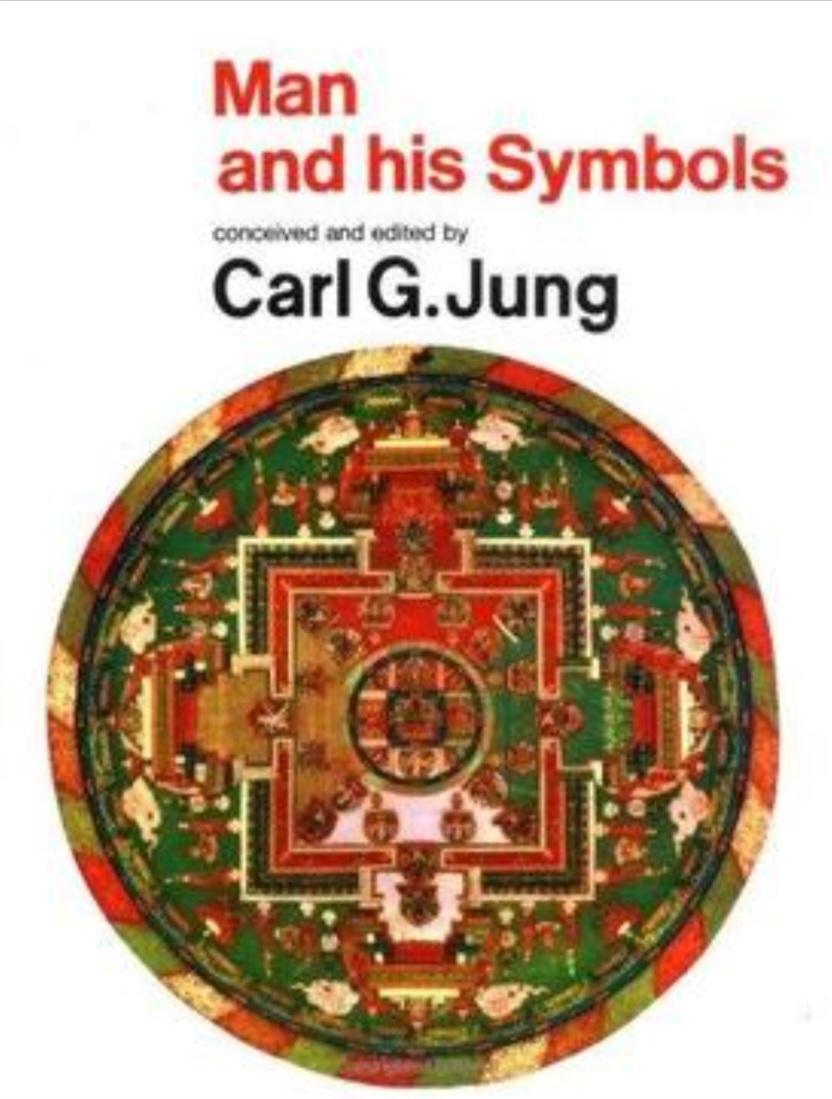
Human and Its Symbols (Book)
Man and His Symbols is a comprehensive psychology book edited by Swiss psychiatrist and founder of analytical psychology Carl Gustav Jung, exploring the role of symbols in the human unconscious. First published in 1964, the work is one of Jung’s efforts to reach both academic circles and a broad readership. In addition to Jung, important Jungian psychologists including Marie-Louise von Franz, Joseph L. Henderson, Aniela Jaffé and Jolande Jacobi contributed to the book. Contents of the Book The C
EN
Sevilay Demirden
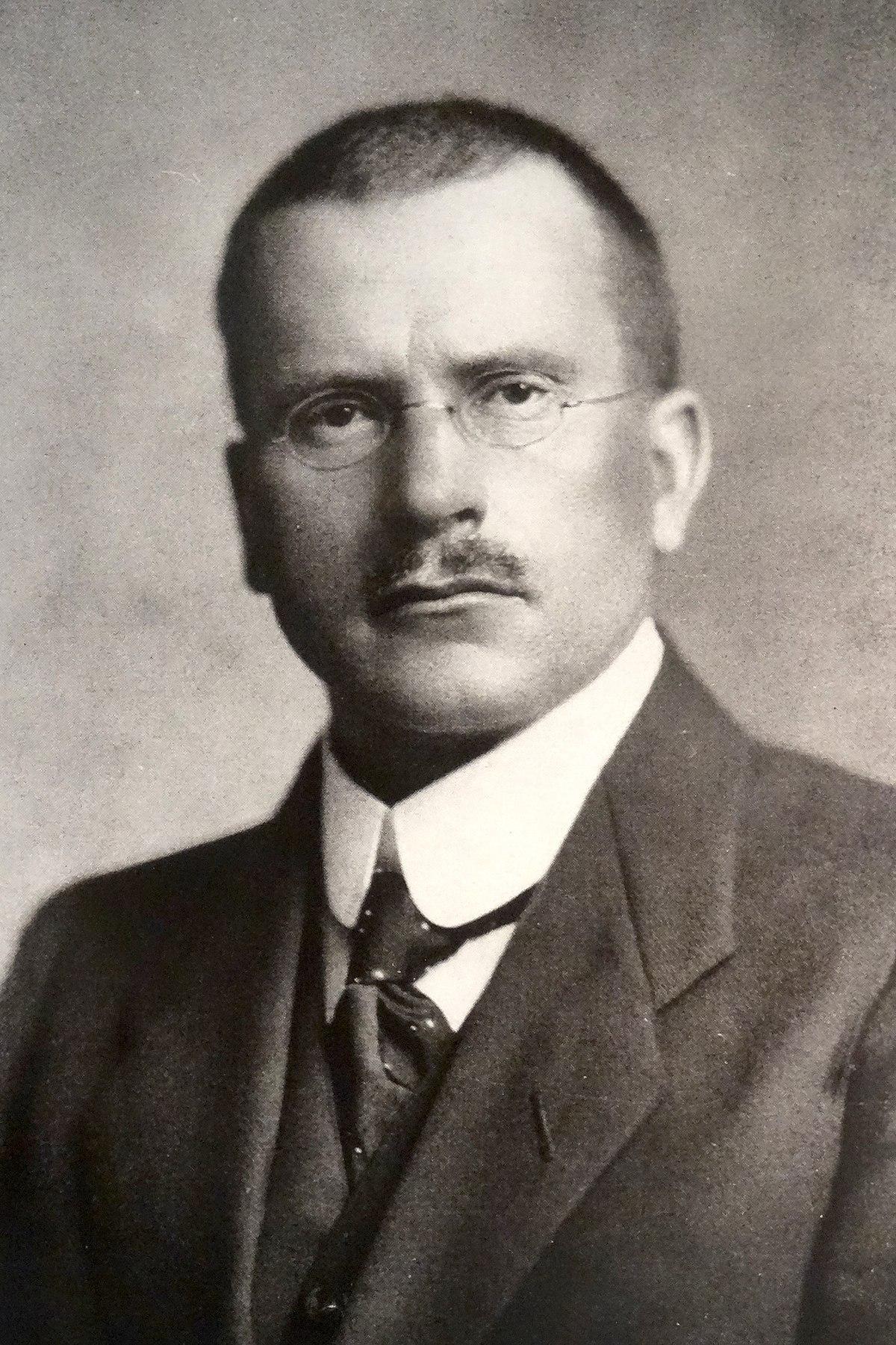
Carl Gustav Jung
Carl Gustav Jung (26 July 1875, Kesswil, Switzerland – 6 June 1961, Küsnacht, Switzerland) was a Swiss psychiatrist and psychoanalyst who founded analytical psychology. He introduced key concepts such as the collective unconscious, archetypes, and the persona. Early Life and Education Childhood and Youth: Jung was born in the Swiss village of Kesswil, the son of a Protestant minister. He was recognized during childhood as solitary and introverted. His early fascination with nature and mythology
EN
Ayşe Betül Edis

Carl Gustav Jung's Archetypes
Archetypes, one of the foundational pillars of Carl Gustav Jung’s analytical psychology, are universal and innate forms or images residing in the depths of the human psyche. This concept is closely tied to Jung’s theory of the collective unconscious and represents the shared heritage of humanity beyond individual experience. Origin and Definition of the Archetype Concept According to Jung, archetypes are psychic structures that are not acquired through personal experience but are inherited and c
EN
Elif Laçin