

`apitherapy` Related Article Results
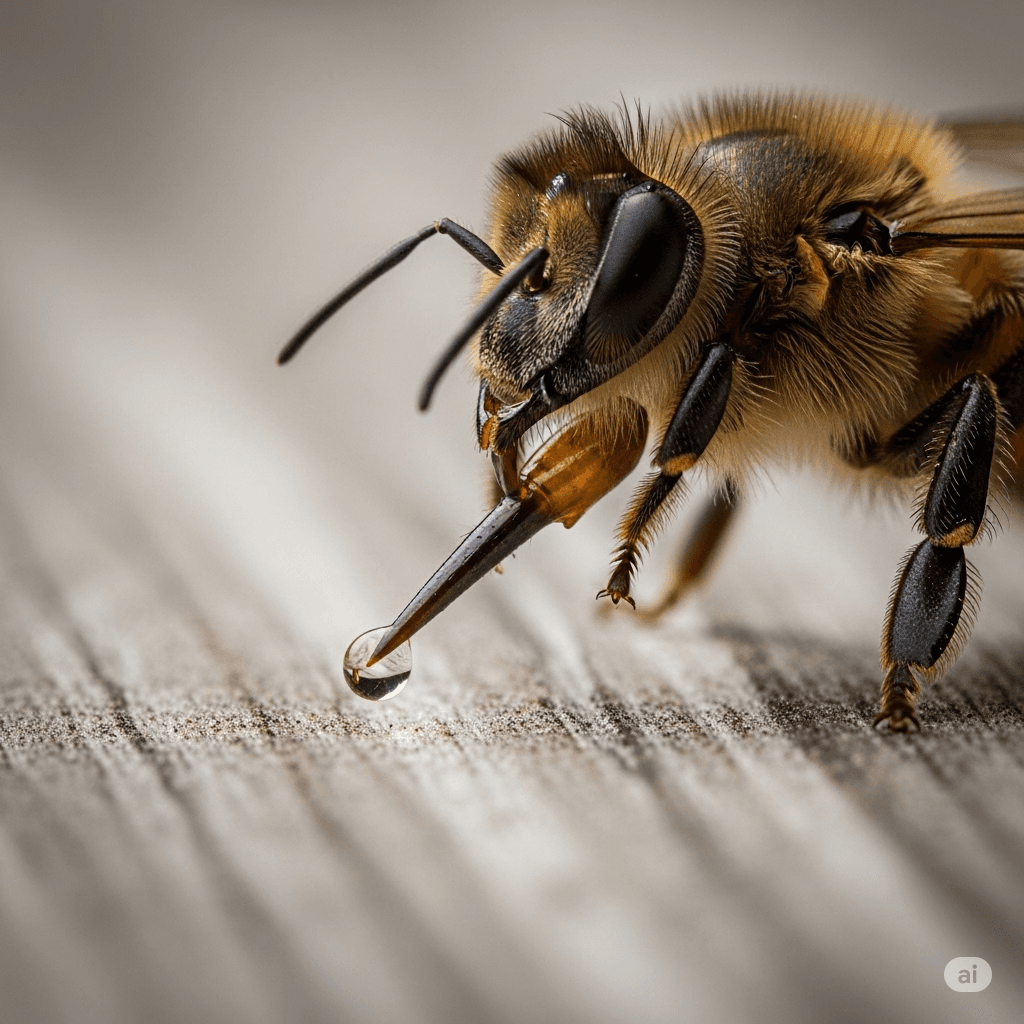
Bee Venom
Bee venom, also known as apitoxin, is a biologically active substance produced in the venom glands located in the abdomen of honeybees (Apis mellifera) and stored in the venom sac. This substance is one of the key defense and attack mechanisms of bees. Production and Secretion In worker bees, the egg-laying organ (ovipositor) has undergone structural modification to become a stinger. Both queen and worker bees possess the ability to sting, while male bees lack a stinger and therefore cannot stin
EN
Yunus Emre Yüce
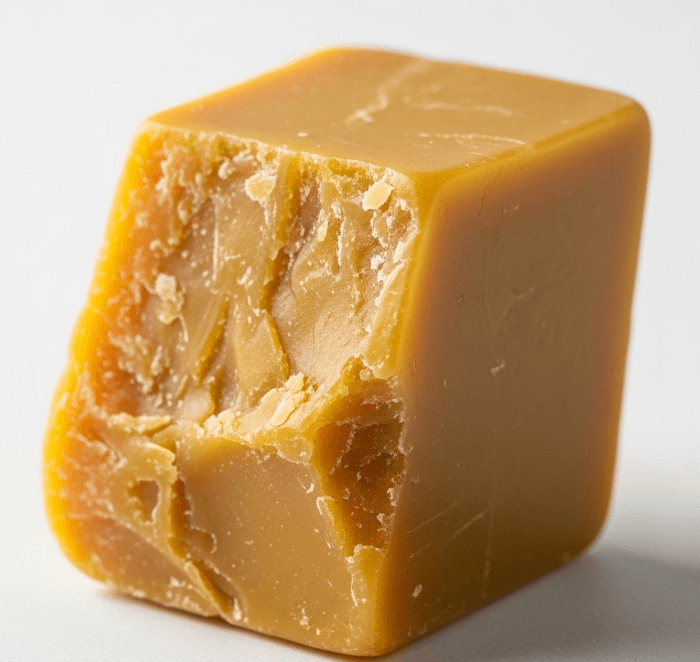
Beeswax
Beeswax is a natural, oily, and moldable substance secreted by wax glands located on the underside of the abdomens of honeybees (particularly Apis mellifera), and is used in the construction of honeycombs. Bees utilize this substance to form hexagonal prism-shaped cells for storing honey, pollen, and rearing their brood. Beeswax is a vital product that provides a structural foundation for the bee colony. Chemically, it has a complex composition consisting primarily of esters of long-chain fatty
ENSadık Barış Günay
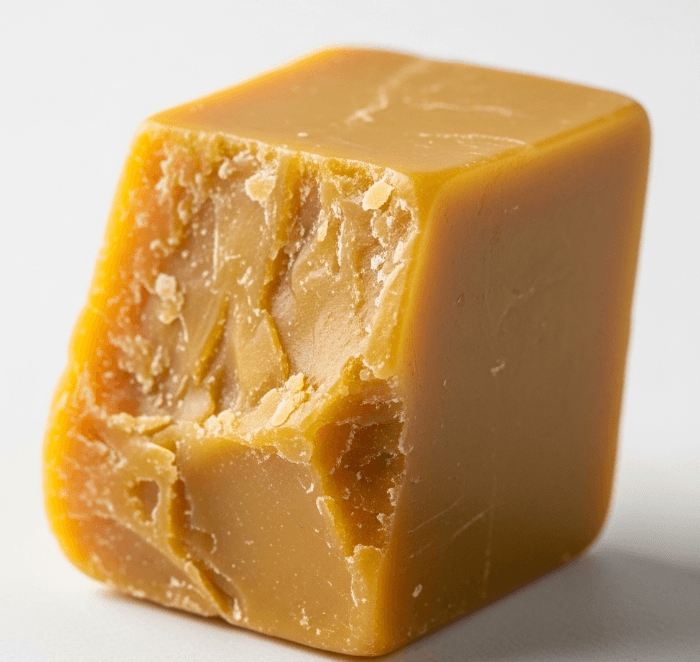
Beeswax
Beeswax is a natural, oily, and moldable substance secreted by specialized wax glands located on the underside of the abdomens of honeybees (particularly Apis mellifera). Bees use this material to construct honeycombs, store honey, preserve pollen, and rear their brood. Beeswax is a vital product that forms the structural foundation of the bee colony. Chemically, it has a complex composition consisting primarily of esters of long-chain fatty acids and alcohols, along with hydrocarbons and small
ENSadık Barış Günay