

`anxiety` Related Article Results
 Bo
BoBody-Focused Repetitive Behaviors
Body-Focused Repetitive Behaviors (BFRBs) are defined as the repetition of motor and cognitive actions that pose a risk of self-harm or cause distress to the individual’s own body. These behaviors are commonly associated with stress, concern, trouble or concentration difficulties and may be difficult to control. This situation, extensively studied in psychology and psychiatry, is closely linked to obsessive-compulsive spectrum disorders. Origins and Historical Background The concept of body-focu
EN
Seray Öztürk
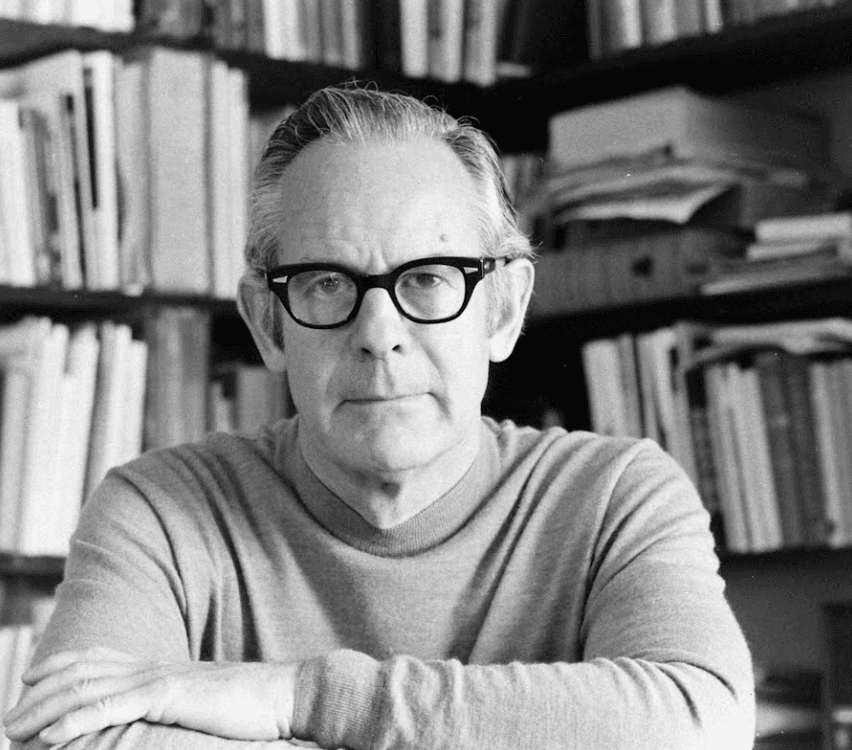
Rollo May
Birth and Early Life Rollo May was born on April 21, 1909, in the town of Ada, Ohio, United States. His childhood was spent in Marine City, a small Midwestern town in Michigan. His parents’ divorce and his difficult relationship with his mother were among the personal challenges he faced at an early age. These experiences are believed to have formed the foundation of his later interest in psychology. Educational Background May graduated from Oberlin College in 1930. After graduation, he worked a
EN
Melike Yalçınkaya
CoCognitive Biases
Cognitive distortions are mental processes that lead individuals to misinterpret reality and thereby shape their thoughts, emotions, and behaviors in inaccurate ways. In psychological literature, they hold a central role particularly in the treatment of depression, anxiety, and other psychological disorders. Cognitive distortions are directly linked to how individuals perceive themselves, their environment, and their future. These thought patterns are often shaped by the individual’s internal em
EN
Nida Üstün

Hustle Culture
Hustle culture is a lifestyle in which individuals constantly strive to work more, produce more, and always aim to be better. This culture encourages people to focus solely on their work, put in intense effort, and sacrifice their personal lives. The word "hustle" means to exert effort or work hard, and hustle culture emphasizes consistently high performance and pushing boundaries. Hustle culture is often seen as the path to success in capitalist societies, where individuals seek personal satisf
EN
Ahsen Buyurkan
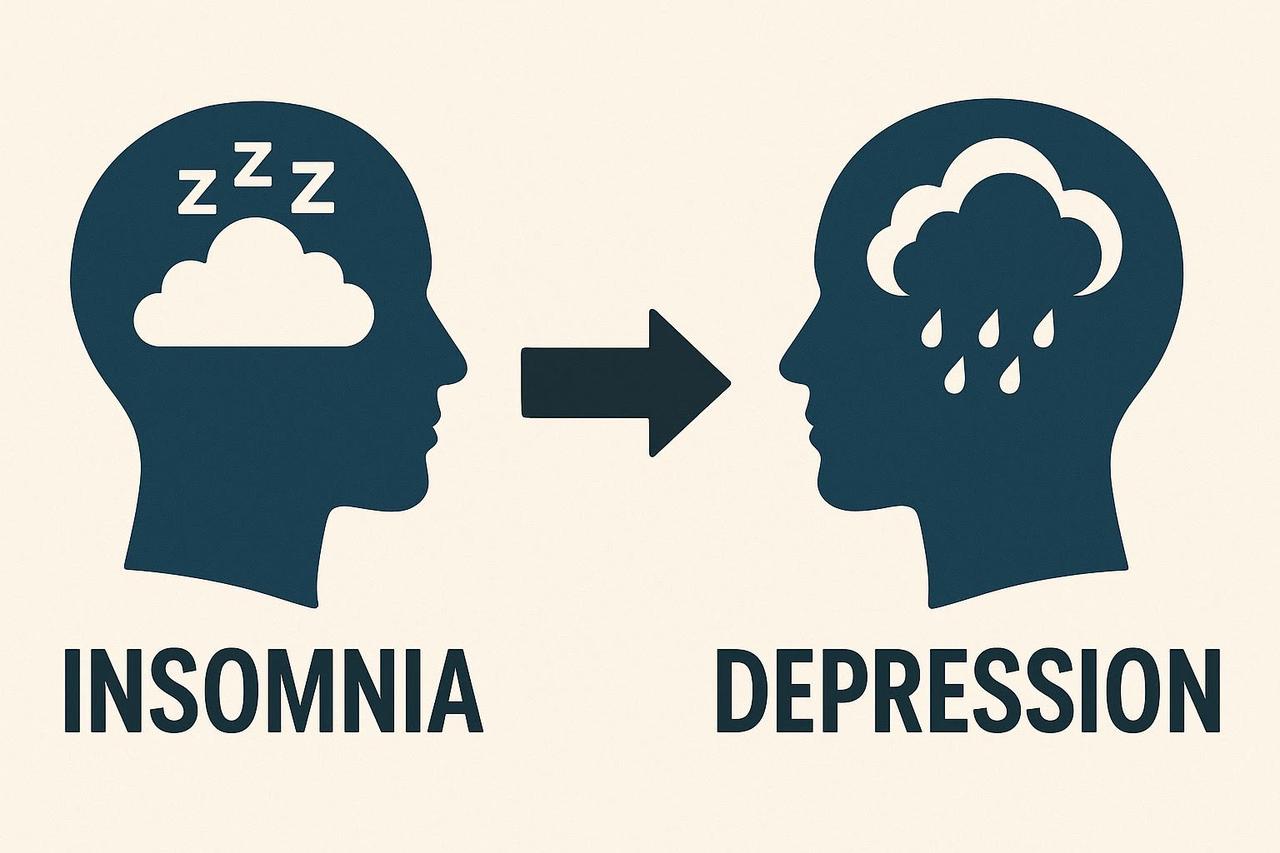
Sleep Deprivation and Depression Relationship
Staying awake until late hours at night has become a routine for all of us in our era. However, although this behavior may seem like a habit, experts treat it as a subject of research because this habit poses a greater threat to our mental health than we assume. According to experts and research findings, remaining awake during hours that contradict our biological clock increases the risk of depression. Reduced sleep quality, changes in sleep timing, preferred emotional states during the day, an
EN
Nursena Şahin
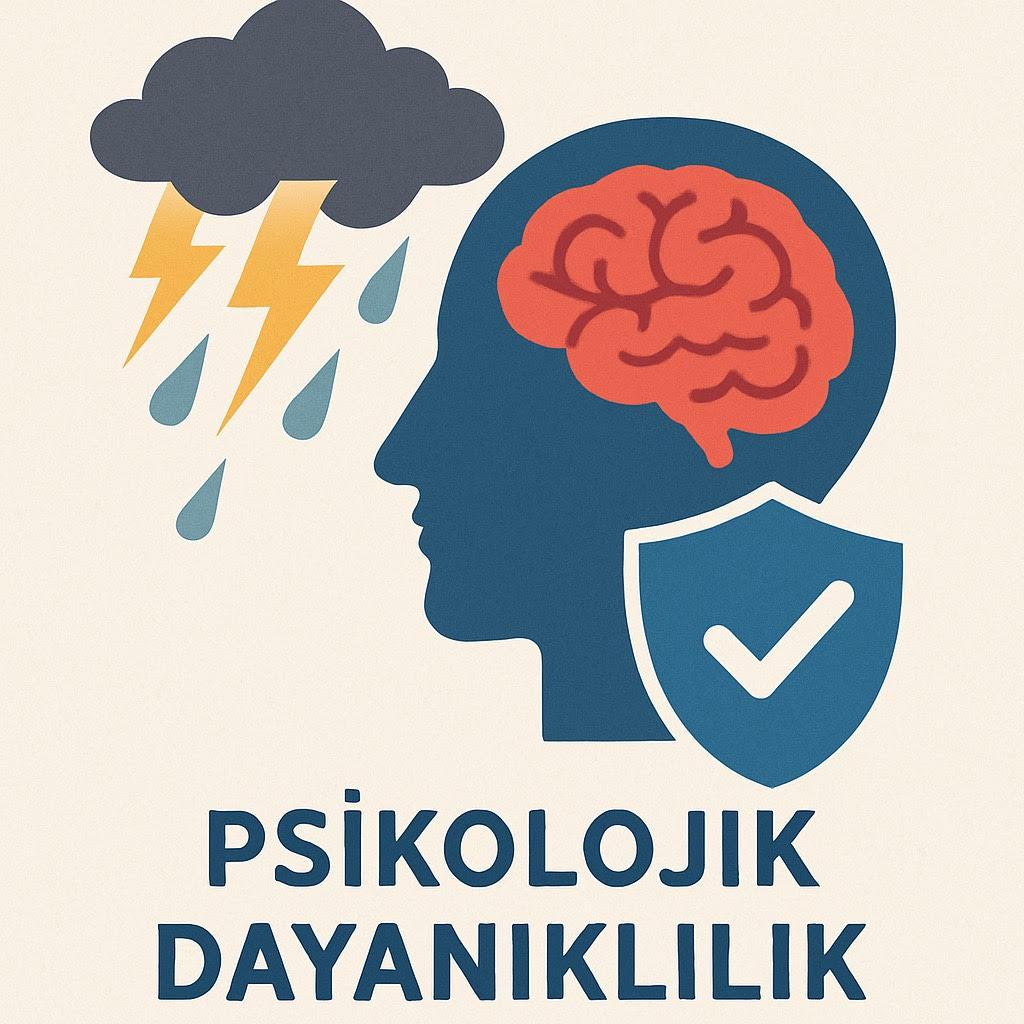
Psychological Resilience
Psychological resilience refers to individuals’ ability to cope with stressful situations, trauma, crises, or difficulties. This concept is also known as psychological strength (resilience) and is closely associated with the capacity to restore emotional balance. While research indicates that a portion of resilience is linked to genetic predisposition, environmental factors and personal development significantly influence this trait. Factors Influencing Psychological Resilience Problem-Solving S
ENNursena Şahin
PrProcrastination Behavior: Laziness or Hidden Anxiety?
“I have to do it… but I’ll do it later.” Is there anyone who has never said this in their life? We have all delayed tasks at some point. But the truth is, procrastination does not always stem from laziness. Sometimes, we delay even the most important tasks without realizing it, due to hidden anxieties within us. We have all experienced the taste of procrastination. Homework, work tasks, small chores… The moments when we say “I’ll start soon” are always familiar. Interestingly, even though we kno
EN
Sena Nur Dündar
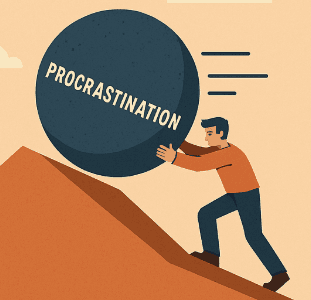
Inertia of Entry
Do you keep postponing your responsibilities to tomorrow instead of doing them today? When tomorrow arrives, the responsibility you left behind reappears, multiplied—as if it has absorbed the burden of the previous day—and again, you postpone it with a new desire, one that builds upon the reluctance of the day before. I describe this condition as “Inertial Entry”: the weight that forms within us when the initial energy required to begin a task combines with our inner desire for laziness. To bett
ENElyesa Köseoğlu

Impostor Syndrome
The Imposter Syndrome (IS) is a psychological pattern characterized by persistent self-doubt and an internal fear of being exposed as a fraud, despite external evidence of success. Individuals affected by this syndrome typically attribute their achievements not to their own abilities or efforts but to luck, external factors, or temporary circumstances. First identified in 1978 by Dr. Pauline Clance and Dr. Suzanne Imes, this syndrome is widely recognized as a significant issue among high-achievi
EN
Esra Can

Why Does Expressing Emotions Make One Feel Weak?
Telling someone you love them is not merely saying three words. Behind those three words lies the courage to render yourself completely vulnerable. For most people, the real challenge is not the possibility of rejection, but the feeling of losing control over oneself the moment they express their feelings. Kontrolü Kaybetme Korkusu: Duygularını Açığa Vurulması (Yapay Zeka ile Oluşturulmuştur) " image-element-format="right" image-height="1254" image-source="https://cdn.t3pedia.org/media/uploads/2
EN
Ömer Said Aydın