

`anticancer` Related Article Results
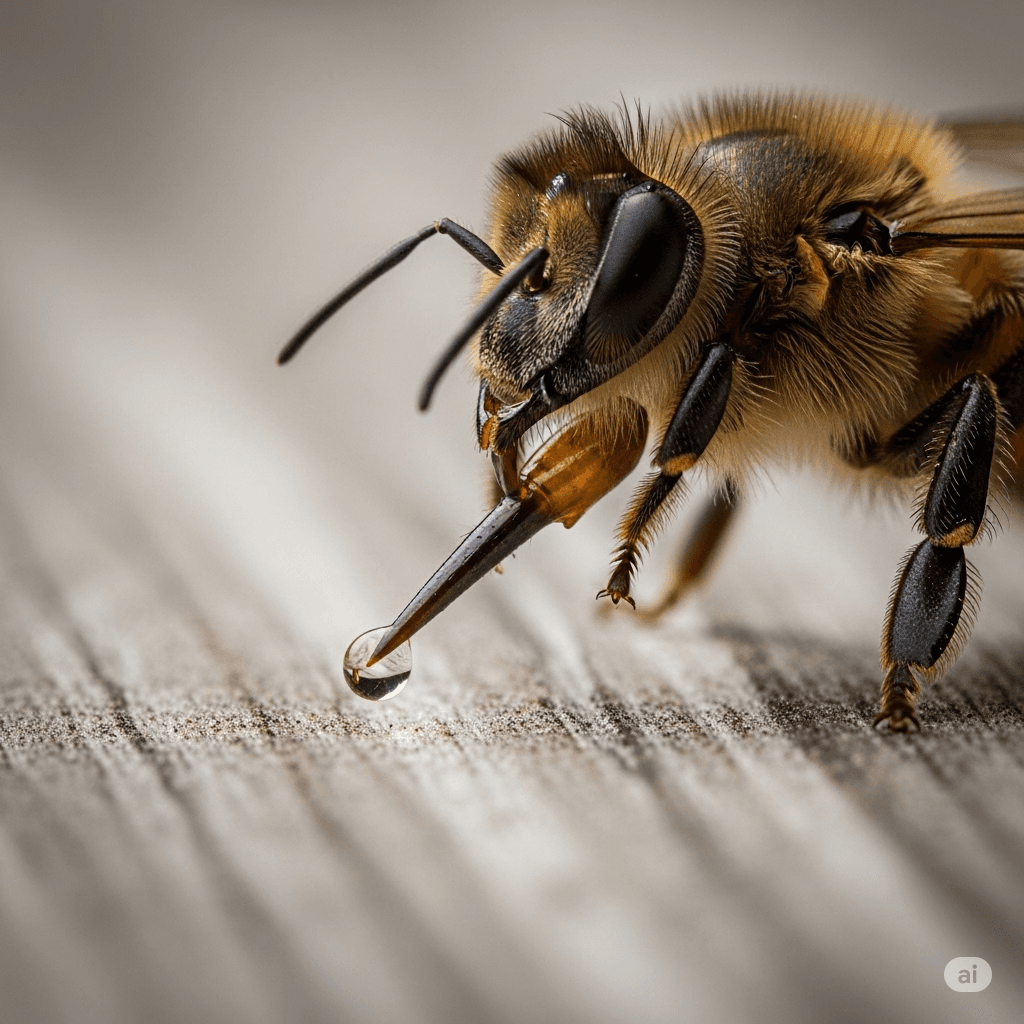
Bee Venom
Bee venom, also known as apitoxin, is a biologically active substance produced in the venom glands located in the abdomen of honeybees (Apis mellifera) and stored in the venom sac. This substance is one of the key defense and attack mechanisms of bees. Production and Secretion In worker bees, the egg-laying organ (ovipositor) has undergone structural modification to become a stinger. Both queen and worker bees possess the ability to sting, while male bees lack a stinger and therefore cannot stin
EN
Yunus Emre Yüce
 Lu
LuLuteolin
Luteolin is a natural compound belonging to the flavonoid class and is widely found in plants. First isolated in the 19th century, this molecule is characterized by its flavonoid structure and derives its name from the yellow color it produces. It is particularly abundant in vegetables, fruits, spices, and certain medicinal herbs. Due to its antioxidant potential, luteolin plays an important role in human nutrition. Today, it is extensively studied in pharmacology, food science, and medicine. Ch
EN
PINAR GÜNER
ElEllagic Acid
Ellagic acid is a polyphenolic compound naturally found in plants. It was first identified in 1905 and has been found to occur in high concentrations particularly in fruits seeds and peel tissues. It is produced through the hydrolysis of hydrolysable tannins such as ellagitannins. Due to its polyphenolic structure it exhibits strong antioxidant properties. It is extensively studied in the food pharmaceutical and cosmetic industries due to its potential biological effects. Chemical Structure and
ENPINAR GÜNER
PuPurpurin
Purpurin is an anthraquinone-derived dye naturally found in plants of the Rubiaceae family, with the chemical formula C₁₄H₈O₅. It is one of the most important red pigments obtained particularly from Rubia tinctorum (madder root). Throughout history, it has found wide application in textile dyeing, artistic works, and later in biomedical research. Purpurin, noted both as a natural pigment and for its biological effects, continues to attract interest in pharmacology and biotechnology today. Chemic
ENPINAR GÜNER