

`antibacterial` Related Article Results
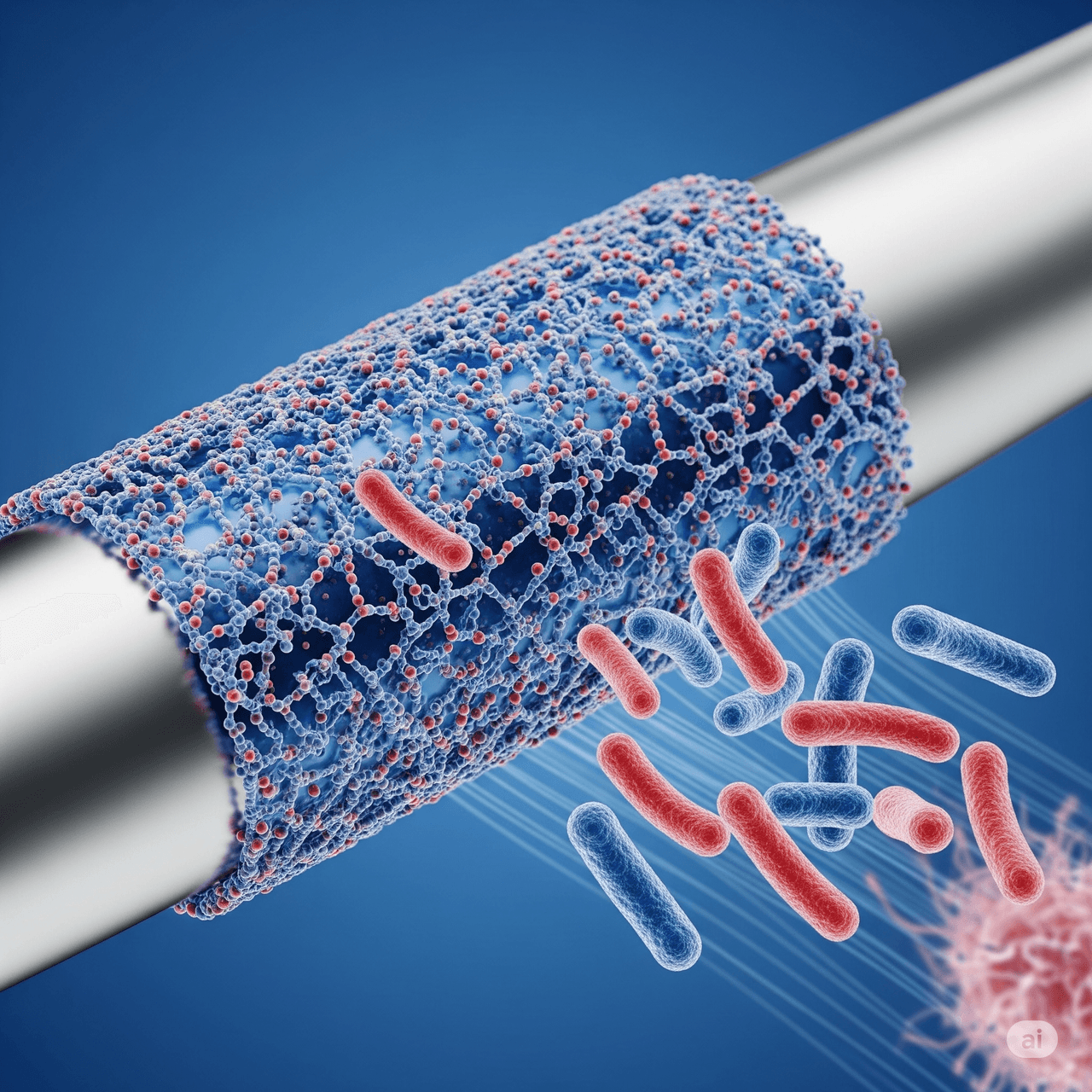
Antibacterial Nanosurfaces
Antibacterial nanosurfaces are advanced engineered products that prevent microbial contamination and inhibit or prevent microbial growth by modifying surface properties through nanotechnological methods; due to these characteristics, they play a crucial role in healthcare settings where hygiene is critical, significantly enhancing infection control and patient safety. Antibacterial Nanosurfaces In modern healthcare, food, textile, and environmental technologies, hygiene and microbial adhesion an
EN
Kader Göksu
 Ro
RoRosmarinic Acid
Rosmarinic acid is a naturally occurring compound with a phenolic structure and belongs to the group of polyphenols. It was first isolated in 1958 from the rosemary plant (Rosmarinus officinalis) and derives its name from this source. Today it is also widely found in many other aromatic plants. Due to its potent antioxidant activity it is recognized both as a defensive compound in plants and as a beneficial natural product for human health. It plays a significant role in the pharmacological acti
EN
PINAR GÜNER
RoRoutine Hydration
Rutin hydrate is the hydrated form of rutin, a natural compound belonging to the flavonoid class (quercetin-3-O-rutinoside). Flavonoids are polyphenolic compounds commonly found in plants and are known for their antioxidant properties. Rutin is particularly abundant in buckwheat, citrus fruits, apples, grapes, and certain medicinal plants. The hydrated form may exhibit altered stability and solubility characteristics due to the presence of water molecules within its crystal structure. This prope
ENPINAR GÜNER