

`anti-inflammatory` Related Article Results
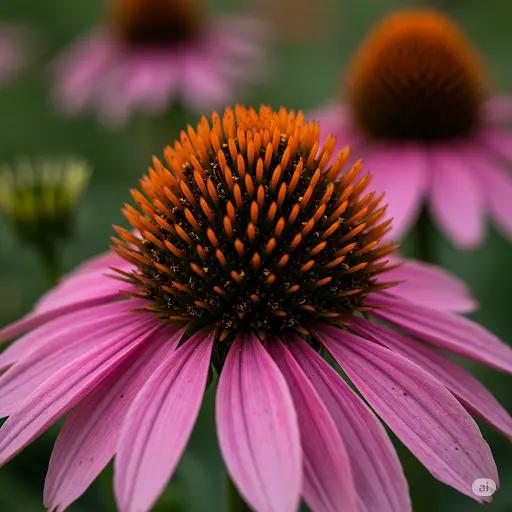
Echinacea (Echinacea Purpurea)
Echinacea Purpurea, commonly known as purple coneflower, is a perennial herbaceous plant belonging to the Asteraceae (daisy) family. Native to the eastern and central regions of North America, this plant has also been used in traditional medicine. In recent years, it has become the focus of scientific research, particularly due to its effects on the immune system. Traditional Uses and Contemporary Practices Historical Use Among Indigenous Peoples Echinacea Purpurea has historically been widely u
EN
Emre Özen
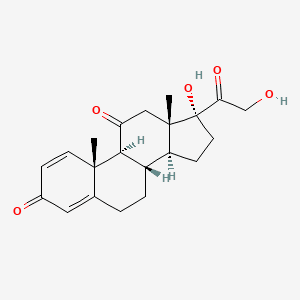
Corticosteroid
Corticosteroids are synthetic analogs of naturally occurring steroid hormones produced by the adrenal cortex, including glucocorticoids and mineralocorticoids. Since their discovery, they have been used across nearly all fields of medicine and can be administered via various routes. These synthetic hormones possess varying degrees of glucocorticoid and mineralocorticoid activity. Glucocorticoids primarily participate in metabolism and exhibit immunosuppressive, anti-inflammatory, and vasoconstri
EN
Betül Sena Kırval
 El
ElEllagic Acid
Ellagic acid is a polyphenolic compound naturally found in plants. It was first identified in 1905 and has been found to occur in high concentrations particularly in fruits seeds and peel tissues. It is produced through the hydrolysis of hydrolysable tannins such as ellagitannins. Due to its polyphenolic structure it exhibits strong antioxidant properties. It is extensively studied in the food pharmaceutical and cosmetic industries due to its potential biological effects. Chemical Structure and
EN
PINAR GÜNER
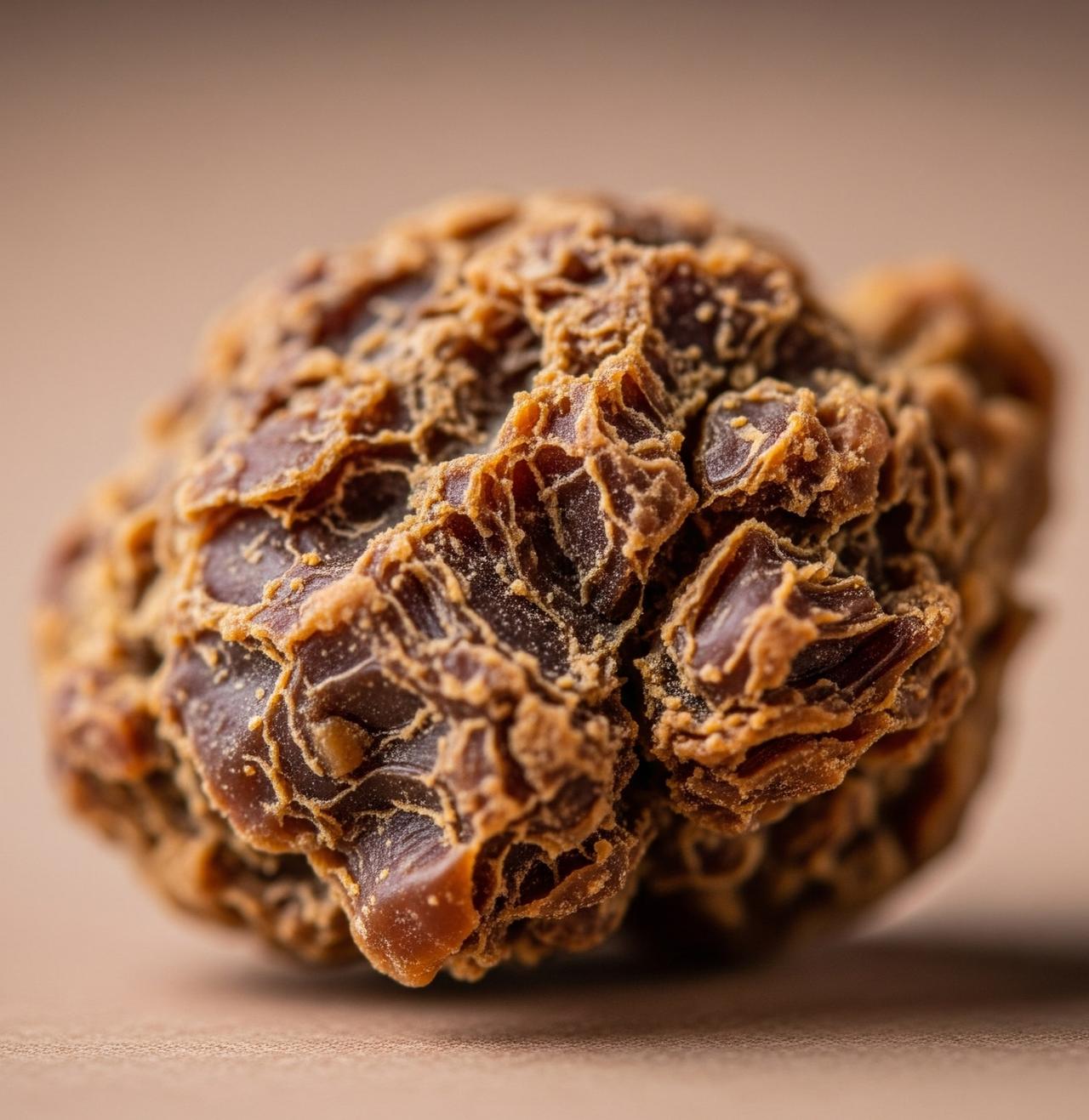
Propolis
Propolis is a natural product formed by honeybees (Apis mellifera) mixing resinous substances collected from plant buds stems and leaves with beeswax and secretions. Bees use this sticky substance to seal cracks and gaps within the hive stabilize honeycombs maintain hive sterility against microorganisms and create a physical barrier against external threats. The term “propolis” derives from the Greek words “pro” (before) and “polis” (city) symbolizing the defense of the bee colony. The chemical
ENSadık Barış Günay
PhPhytochemicals
Phytochemicals are organic compounds naturally found in plants that do not provide nutritional value but can influence human health through their biological activities. These compounds play roles in plant defense mechanisms, growth, and development processes. Evaluated as functional components in human nutrition, phytochemicals regulate various metabolic and physiological processes and contribute to the prevention of chronic diseases. Classification Phytochemicals are classified into different c
EN
Nursena Güller
RoRosmarinic Acid
Rosmarinic acid is a naturally occurring compound with a phenolic structure and belongs to the group of polyphenols. It was first isolated in 1958 from the rosemary plant (Rosmarinus officinalis) and derives its name from this source. Today it is also widely found in many other aromatic plants. Due to its potent antioxidant activity it is recognized both as a defensive compound in plants and as a beneficial natural product for human health. It plays a significant role in the pharmacological acti
ENPINAR GÜNER