

`ancient-theater` Related Article Results
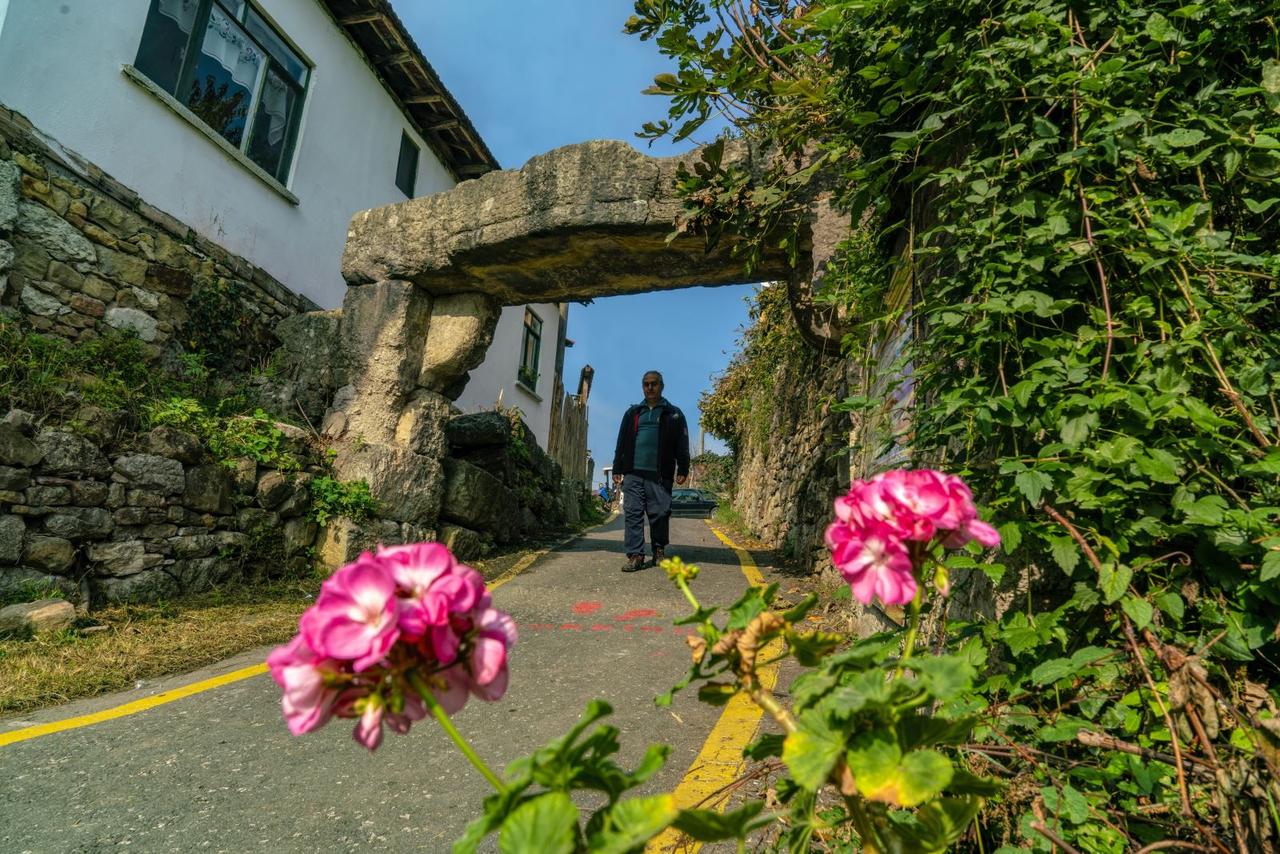
Konuralp Ancient Theatre – Kemerkasım Aqueducts Walking Park
Konuralp Ancient Theatre – Kemerkasım Aqueducts Walking Park, located in Düzce Province, Türkiye, is a walking route that encompasses the ruins of the ancient city of Prusias ad Hypium. The park is highlighted as a path where historical and cultural heritage elements are integrated with nature. Historical Context and Archaeological Structures The Konuralp Ancient City contains the remains of Prusias ad Hypium, a settlement established during the Hellenistic period under the Kingdom of Bithynia a
EN
Yusuf İslam Tuğla
 As
AsAspendos
Aspendos is an ancient city located within the borders of Antalya Province, in the Serik district of Türkiye. Referred to in ancient sources as one of the significant settlements of the Pamphylia Region, Aspendos is especially renowned for its theater dating back to the Roman period. Founded in the 10th century BC, Aspendos later came under the control of several civilizations. Aspendos Theater - T.C. Antalya Valiliği " image-alternate="" image-element-format="right"> Aspendos is located in t
EN
Meryem Şentürk Çoban
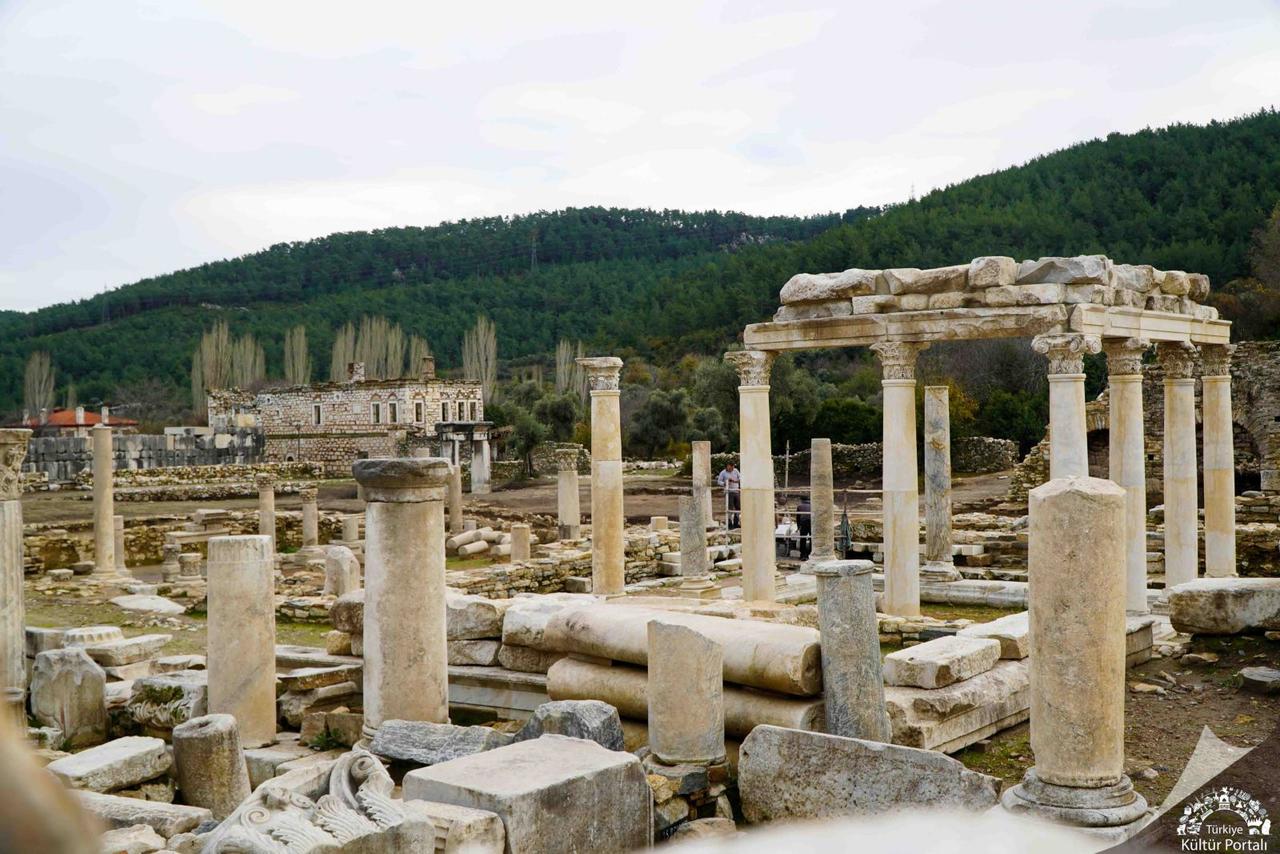
Stratonicea Ancient City
Stratonikeia Antik Kenti, located within the boundaries of Eskihisar Village, Yatağan District, Muğla Province in southwestern Türkiye, is a multi-layered archaeological site that has experienced continuous settlement from antiquity through the Ottoman period. The site was added to UNESCO’s Tentative List of World Heritage Sites in 2015. Throughout its historical development, the city took shape under various political regimes, belief systems and social structures, a process traceable through ar
EN
Aylin Gülek
AnAncient Theatre
Ancient theaters are public structures that emerged during the Greek and Roman periods for performances directed at broad public audiences. These buildings form an essential component of the architectural, artistic, and social life of ancient societies. According to archaeological evidence, 741 ancient theater structures have been documented to have survived to the present day. Of these, 194 belong to early Greek theaters, 425 to Roman-era theaters and odeia, while the period of origin for the r
EN
Aslı Öncan