

`anatolian-seljuk` Related Article Results
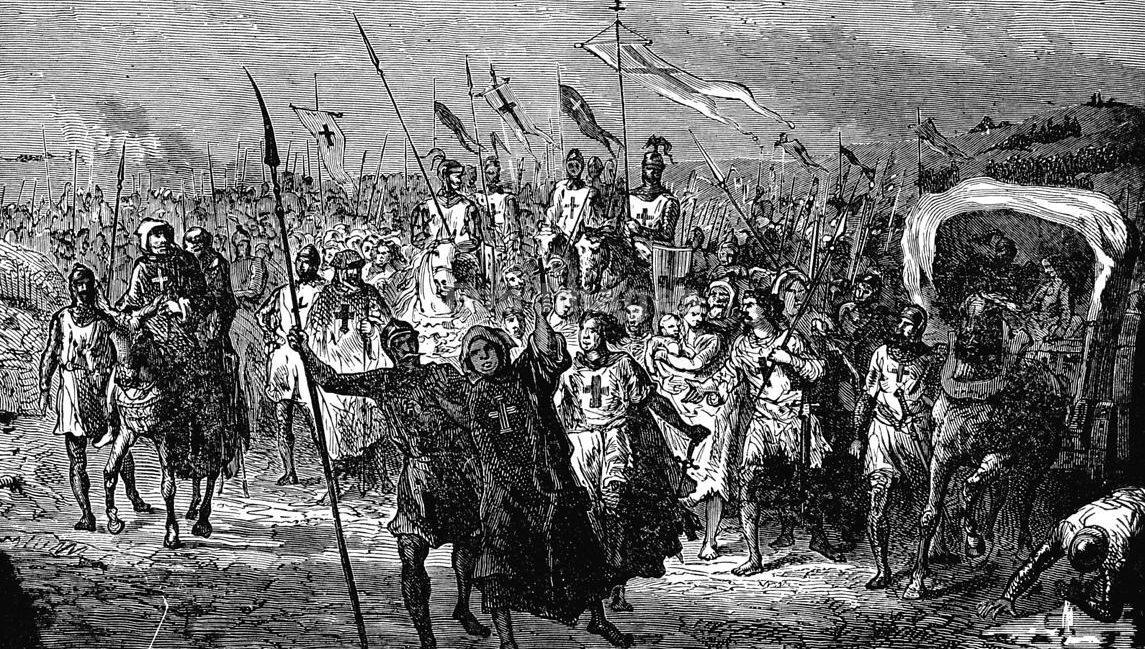
First Crusade
The First Crusade was a military campaign shaped by religious and political objectives, spanning from Europe to Middle East in the late 11th century. This Jerusalem, aimed at reclaiming Jerusalem from Muslim control, was a process filled with pilgrimages, battles, and massacres against the Muslim population. In its aftermath, conflicts with the Seljuk Turks altered the regional power balance. Background and Causes of the Crusade The First Crusade emerged as a consequence of the religious, politi
EN
Ahmet Taha Doğan
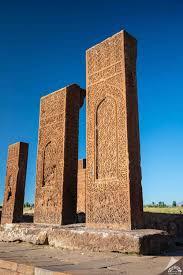
Ahlat Seljuk Cemetery
Ahlat Seljuk Cemetery is a significant historical burial site from the period of the Anatolian Seljuk State, located in the district of Ahlat, within the province of Bitlis in Türkiye. Used between the 12th and 14th centuries, the cemetery covers an area of approximately 40,000 square meters and contains around 8,000 tombstones. Due to its preservation of traces of Seljuk culture in the region and its collection of important examples of Islamic funerary art, the cemetery holds considerable impor
EN
Zeynep Şule Bingöl
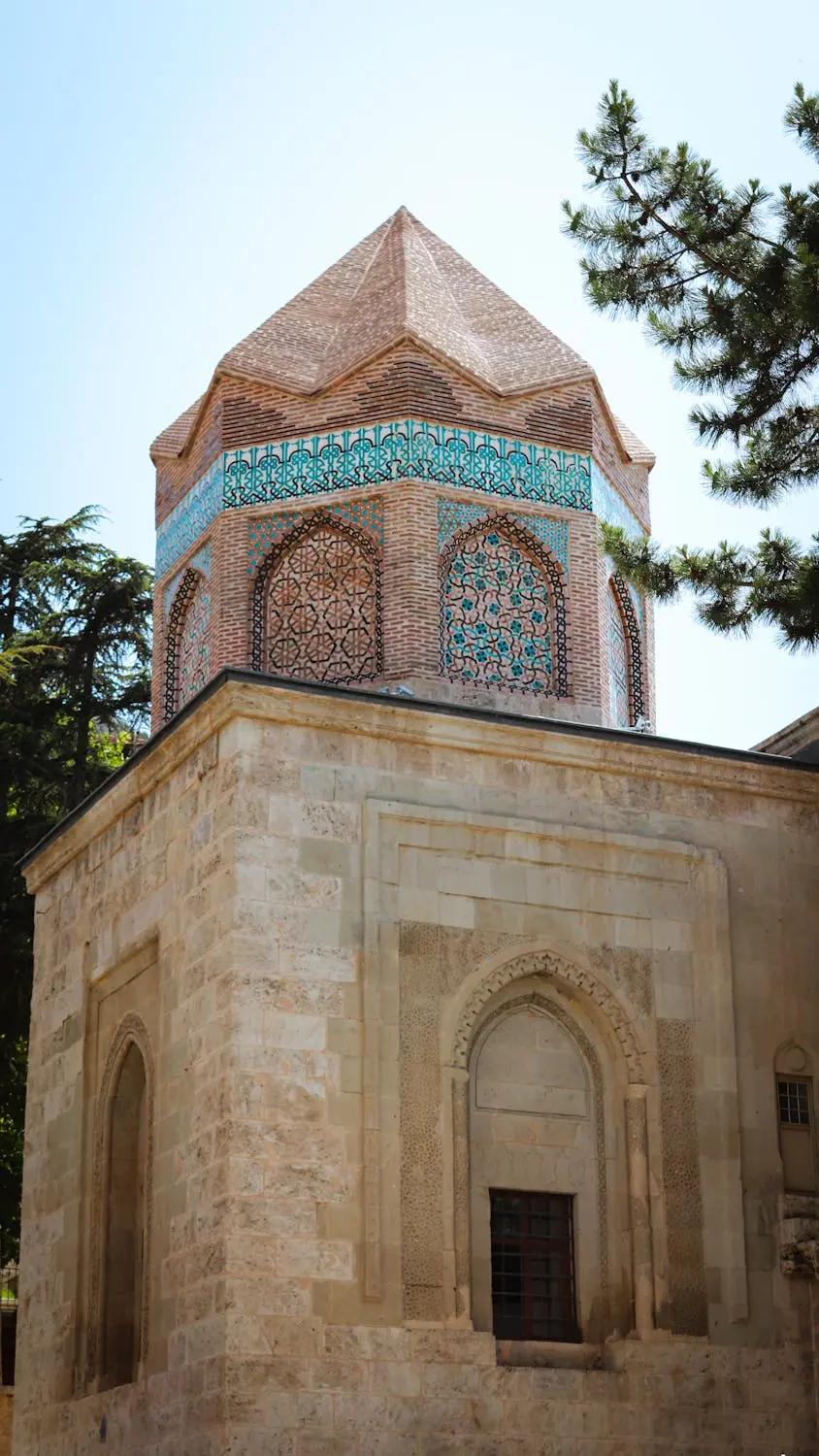
Amasya Gök Medrese
Gök Medrese is a historical structure from the Anatolian Seljuk period that served both educational and religious functions. Located in Amasya, this building holds a significant place in the cultural and architectural heritage of Anatolia with its stone craftsmanship, tile decorations, and architectural layout. The name “Gök” (meaning “sky” or “blue” in Turkish) is derived from the blue-toned tiles and glazed brick ornamentation that adorn its surfaces. Historical Development and Foundation Gök
EN
Sümeyye Akkanat Terzioğlu
 Ak
AkAksaray Ulu Camii (Karamanoğlu Mehmed Bey Camii)
Aksaray Ulu Camii was constructed in the 12th century as one of the examples of Anatolian Seljuk architecture. The founder of the mosque is Rükneddin Mesud, son of Seljuk Sultan II. Kılıçarslan. The construction of the building reflects the political and cultural atmosphere of the Seljuk period and has survived to the present day as an important structure in the development of religious architecture. Restoration During the Karamanid Period By the 15th century, the mosque had been repaired and ex
EN
Meltem Saraç
MaMavga Castle
Mavga Castle is located within the boundaries of the Mut district of Mersin Province, near the Kozlar Plateau. Situated approximately 16 kilometers from the district center, the castle is built upon steep and vertical cliffs, granting it a dominant, elevated, and strategic position due to the natural topography of the terrain. The structure rises about 150 meters above sea level. The castle was constructed in 1230 under the orders of Sultan I. Alaeddin Keykubat of the Anatolian Seljuks. This inf
EN
Melike Saraç
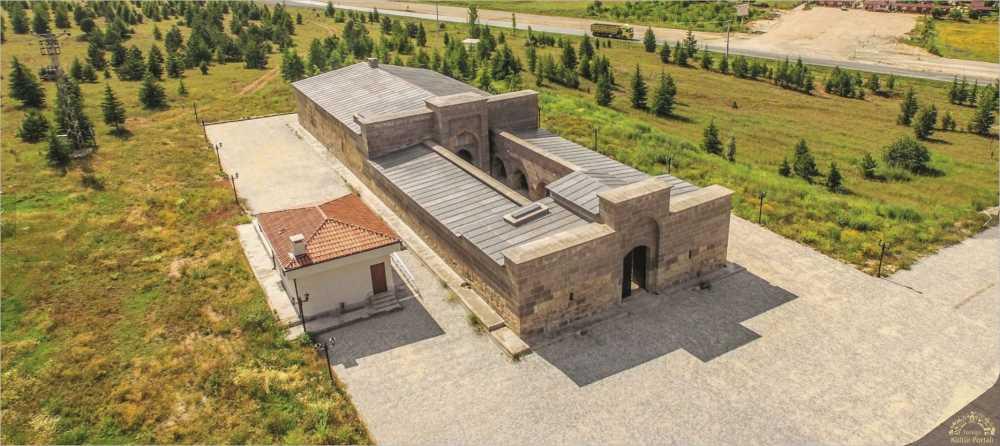
Kuruçeşme Hanı
Located within the trade network established by the Anatolian Seljuk State in the 13th century, the Kuruçeşme Hanı is a caravanserai situated along the Konya–Beyşehir route. Constructed in 1207 during the reign of Sultan I. Gıyaseddin Keyhüsrev, it stands as one of the representative examples reflecting the economic, social, and architectural characteristics of its time. Designed to meet accommodation and logistical needs through a combination of open and enclosed spaces, the structure also incl
EN
Fatma Köroğlu
Gelendost Ertokuş Caravanserai (Kudret Han)
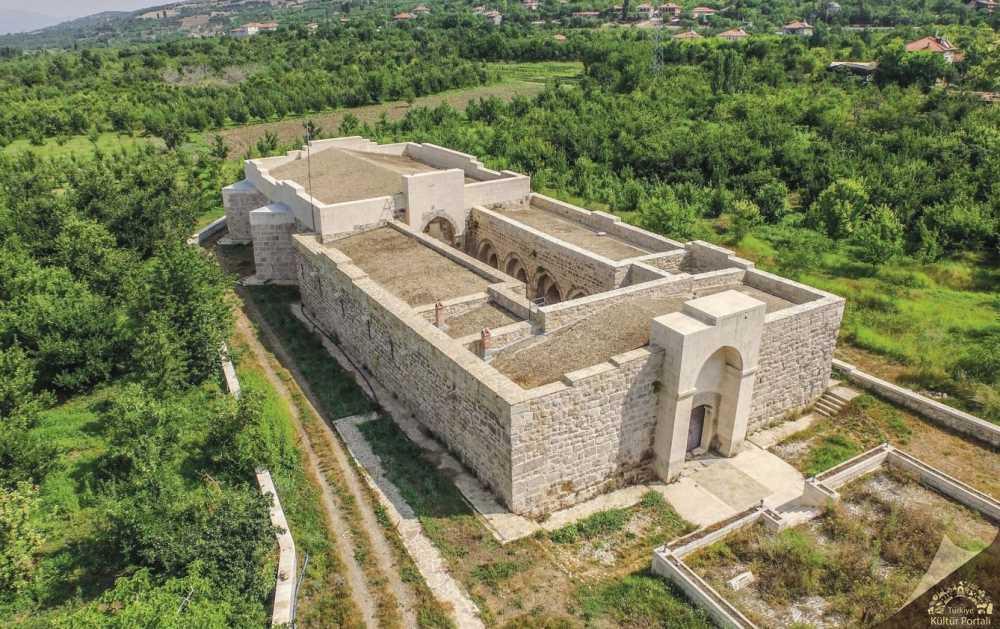
The Gelendost Ertokuş Caravanserai is a caravanserai constructed in the first half of the 13th century by Emir Mübarizeddin Ertokuş, situated along the commercial and military routes of the Anatolian Seljuk State. Located within the boundaries of the Gelendost district of Isparta province, along the historical Gelendost–Yalvaç route, this caravanserai functioned as one link in the chain of accommodation structures built across different regions of Anatolia during the Seljuk period. It stands as
ENFatma Köroğlu
AlAlanya Castle
Alanya Castle is located in the district of Alanya in Antalya and covers an area of place. It is one of the city’s most iconic symbols. Built on a peninsula approximately 250 metres above sea level, its walls extend for a total length of 6.5 kilometres. History Alanya Castle is a significant structure located in the Mediterranean region, in the district of Alanya in Alanya, which has been associated with numerous civilizations throughout history. The castle has existed since the Hellenistic Peri
EN
Zeynep Ravza Aydın
Afyonkarahisar Ulu Camii
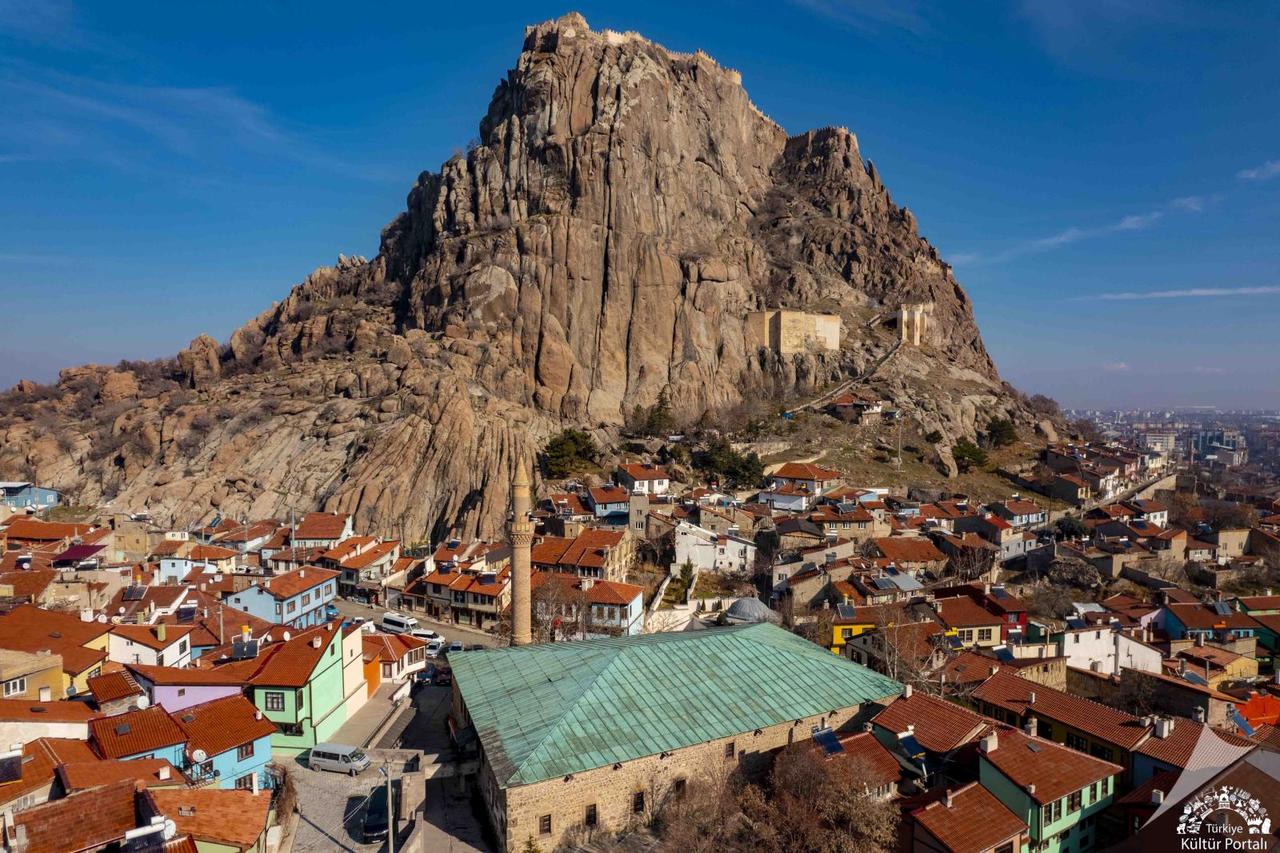
Afyonkarahisar Ulu Camii was commissioned by Sâhipataoğlu Nusretiddin Hasan during the Anatolian Seljuk period between 1272 and 1277 for Emir Hâc Bey el-Neccar. Construction began in 671 AH and was completed in 676 AH. The structure is an original example of the group of Seljuk-era mosques with wooden columns and flat ceilings, and over time it has also been known as "Cami-i Kebir" and "Hocabey Camisi." The mosque is located in the center of Afyonkarahisar, within the boundaries of Tac Ahmet Mah
EN
Neriman Çalışkan
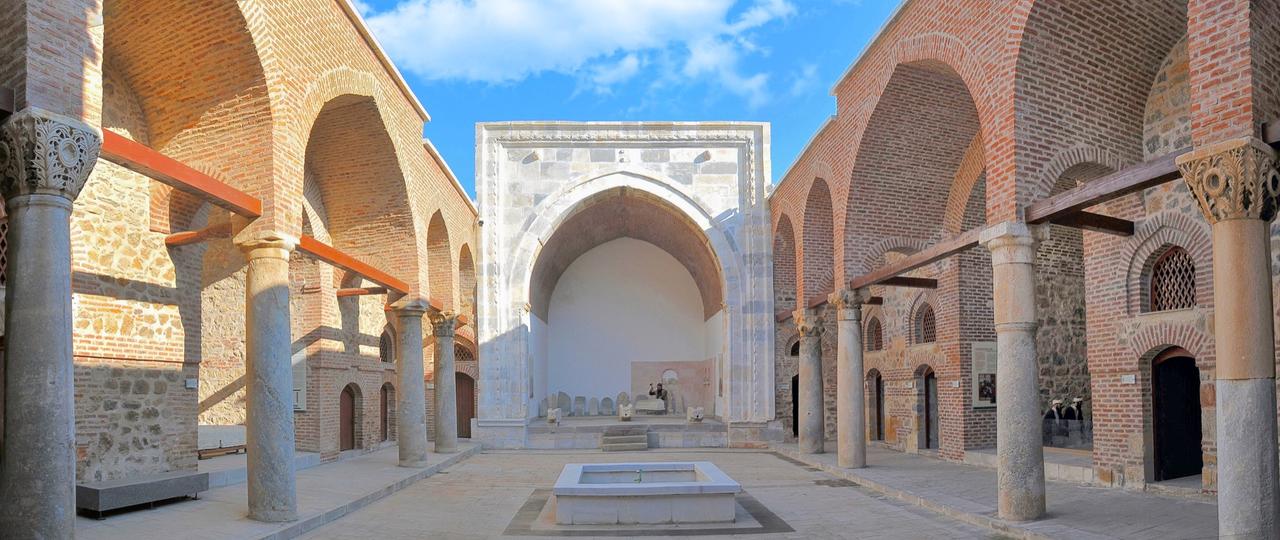
Akşehir Stone Madrasa
Akşehir Taş Medrese is a 13th-century structure located in the district of Akşehir in Konya. It dates from the Anatolian Seljuk period and was commissioned in 1250 (H. 648) by Seljuk Vizier Sâhib Ata Fahreddin Ali. Originally, it served as the central component of a large külliye, which included the medrese, mosque, türbe, hankah, imaret, and çeşme. Only the medrese, mosque, and türbe sections have survived to the present day. The structure is commonly known locally as “Halkalı Medrese” and “Sah
EN
Almina Ecenur Ergünay