

`aircraft-engines` Related Article Results
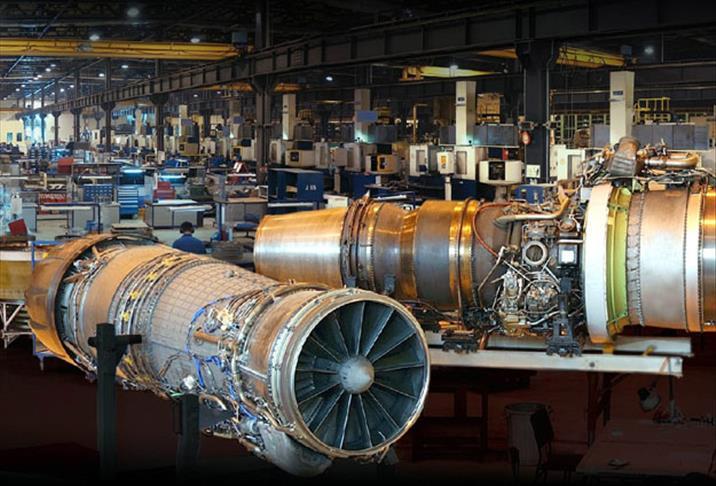
The Journey of the Aircraft Engine
The history of the aircraft engine began in 1848 with John Stringfellow’s pioneering steam engine and evolved into the 12-horsepower engine used by the Wright Brothers for their historic flight in 1903, revolutionizing aviation. This journey rapidly progressed from piston engines to rotary engines and then to jet technology, marked by major breakthroughs such as Frank Whittle’s 1930 turbojet patent and the first successful rocket-powered aircraft, the Heinkel He 176, in 1939. The development of
EN
Kadir Maden
 Ef
EfEffect of Swirl Angle on Combustion Performance in Gas Turbines
In gas turbines, the swirl angle is a critical parameter that directly affects the distribution of the air-fuel mixture in the combustion chamber and the combustion efficiency. Swirls enhance flame stability by imparting a swirling motion to the air flow, homogenize the mixture, and improve combustion efficiency. The magnitude of the angle plays a decisive role in determining flame shape, temperature distribution, combustion rate, and emission levels. A well-chosen swirl angle can provide a more
EN
Doğukan Boz
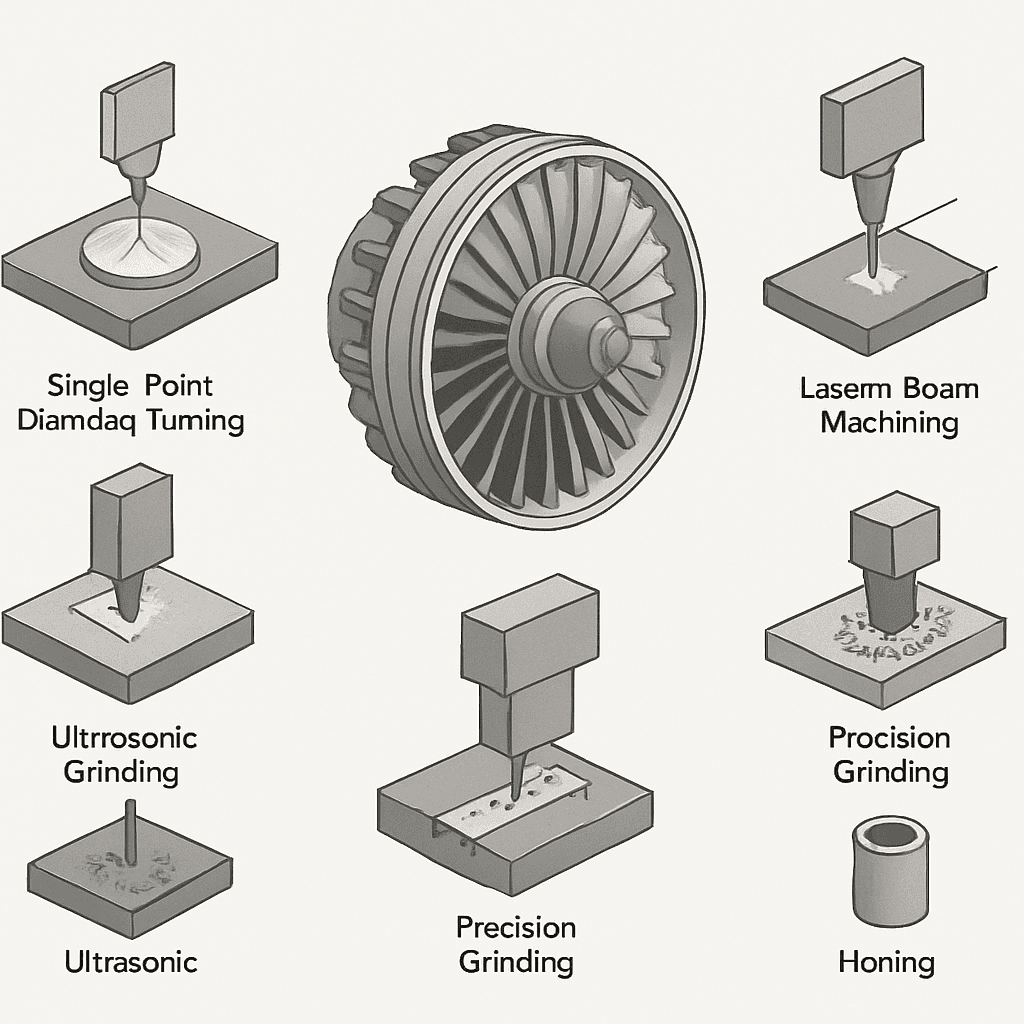
Precision Manufacturing Methods Used in Aircraft Engines
The manufacturing techniques used in aircraft engine production require precision levels that meet extraordinary safety standards. Components of these engines, which operate under high temperature, pressure, and speed, must be manufactured with tolerances at the micrometer level. Therefore, methods that go beyond conventional chip-making processes are preferred. For instance, diamond-tipped turning and milling stand out in the machining of superalloys due to their superior surface quality and di
ENKadir Maden