

`air-pollution` Related Article Results
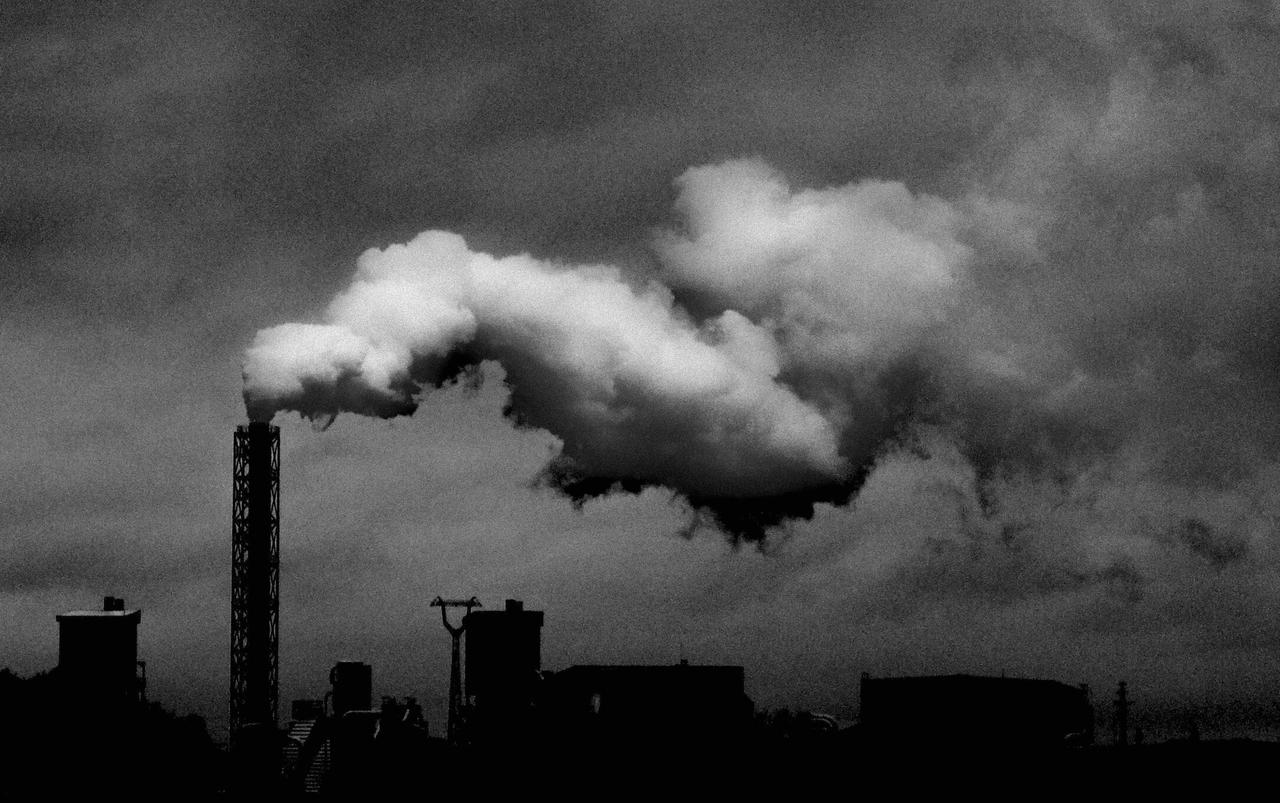
Air Pollution
Air pollution is the presence of pollutants in the atmosphere in solid (dust, institution, particles), liquid (acid droplets), and gaseous (carbon monoxide, sulfur dioxide, nitrogen oxides) forms at levels that pose a risk to human health, ecosystems, and climate. World World Health Organization (WHO) defines air pollution as an “invisible killer” because it contributes to millions of premature deaths annually. road Types of Air Pollution Ambient (Outdoor) Air Pollution: Originates from vehicle
EN
Beyzanur Bulut
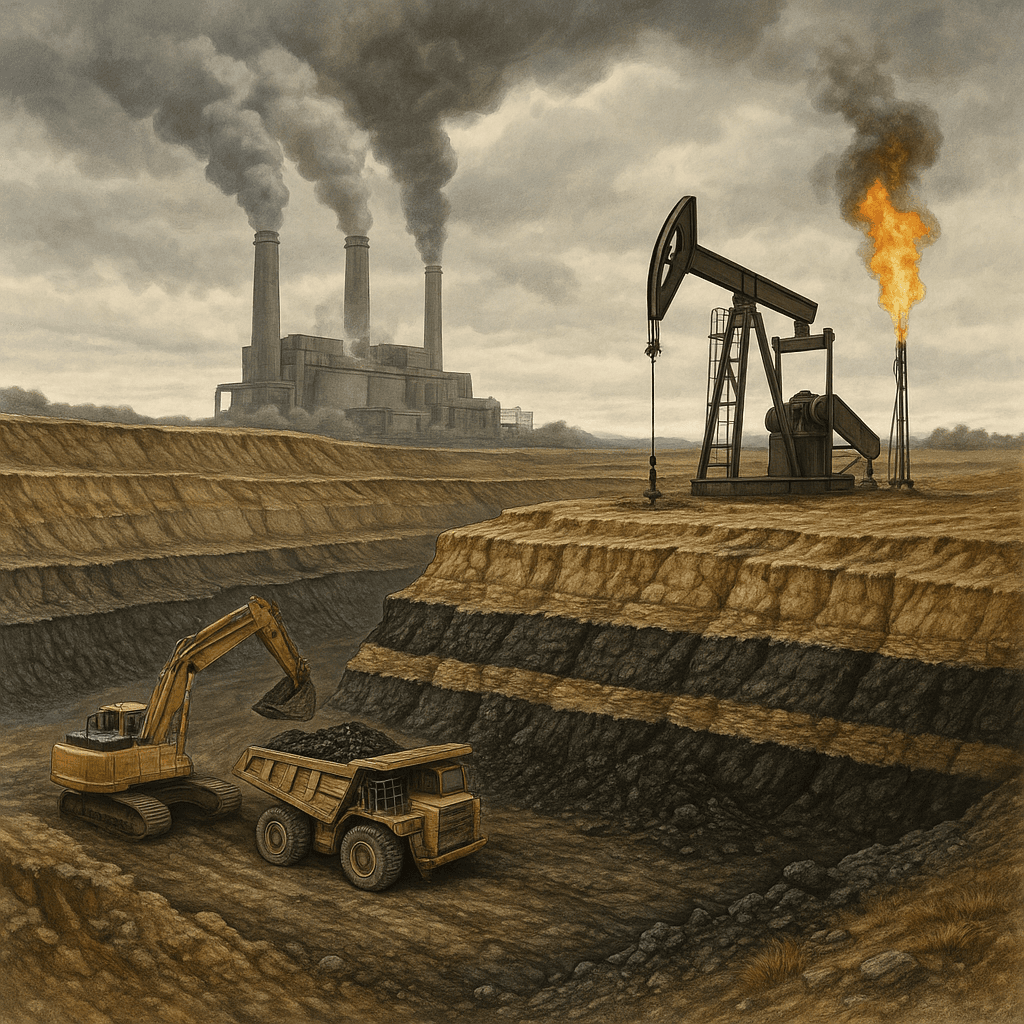
Fossil Fuels
Fossil fuels are non-renewable natural energy sources formed through the chemical transformation of remains of living organisms such as plants and animals that lived millions of years ago, under high pressure and temperature in an oxygen-free environment beneath the Earth’s crust. These fuels are rich in carbon and hydrocarbons. Since they release large amounts of energy when burned, they have become the primary energy source of the modern world since the Industrial Revolution. The most common a
EN
Ömer Said Aydın
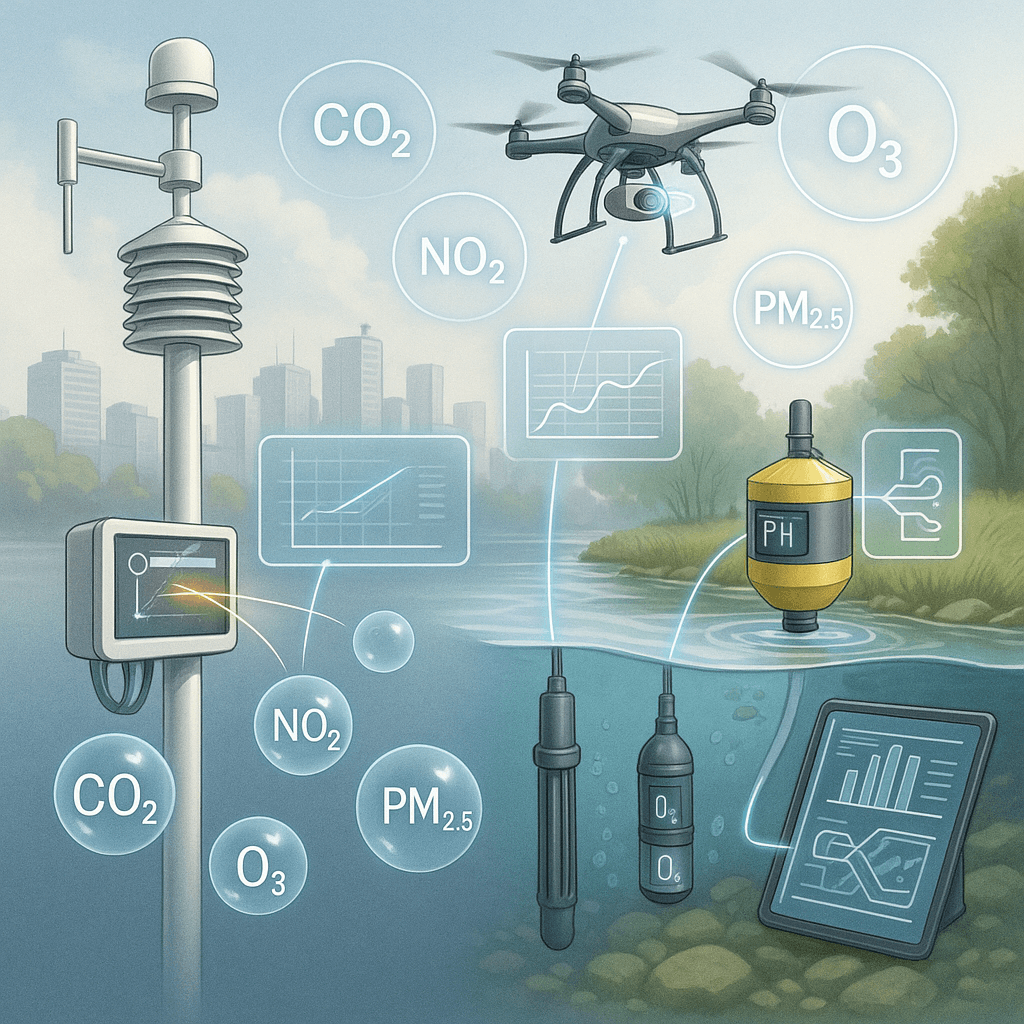
Air and Water Quality Measurement Technologies
Air and water quality measurement technologies are systems composed of devices, sensors, and analytical methods designed to determine the types, concentrations, and spatial distributions of pollutants in the atmosphere and water sources. These technologies, increasingly important due to the impacts of industrialization, urbanization, and intensive agricultural activities, play a critical role in protecting human health, maintaining the balanced functioning of ecosystems, and ensuring the sustain
ENÖmer Said Aydın
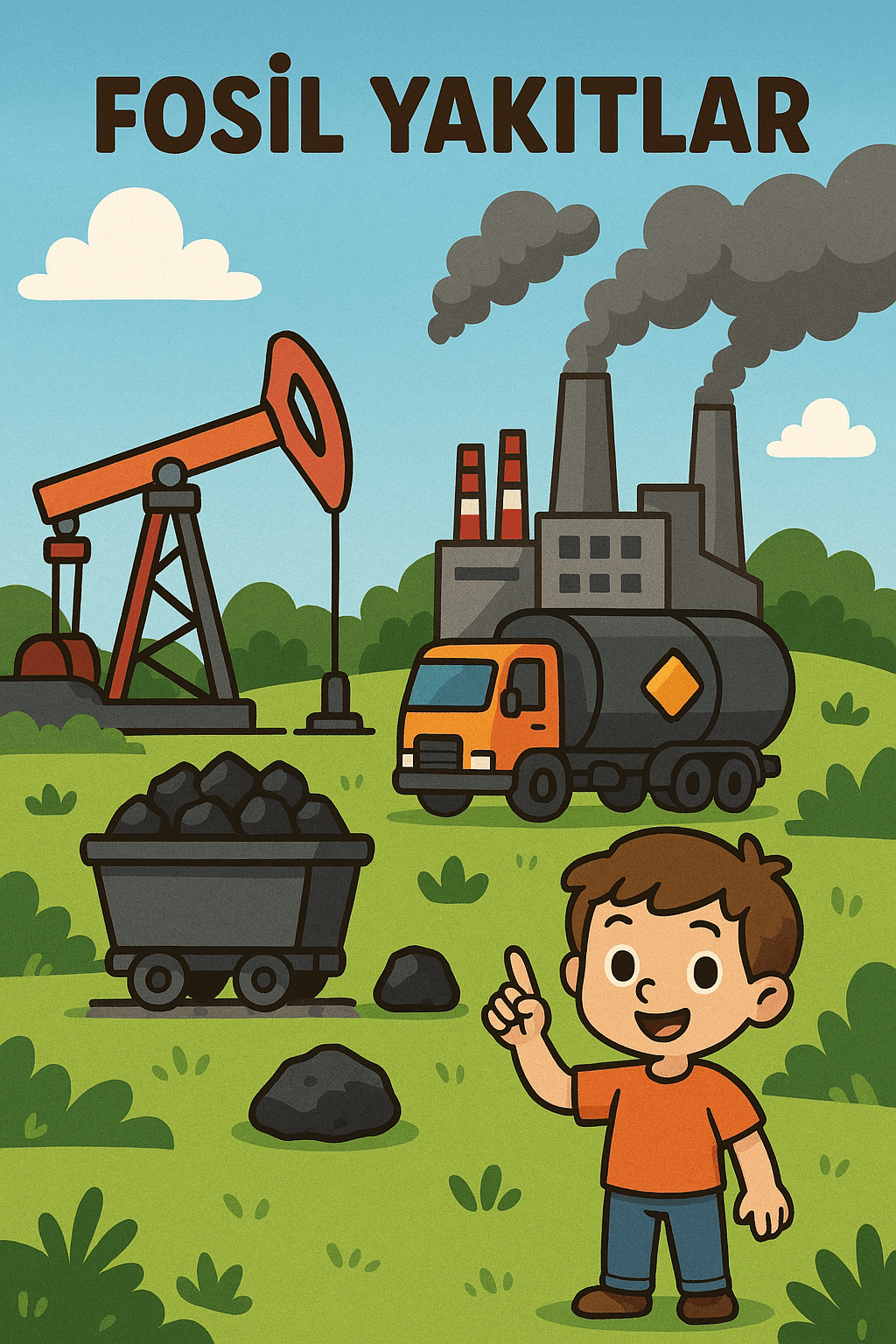
Fossil Fuels
Fossil fuels form when plants and animals that lived millions of years ago were compressed underground and gradually transformed into coal, oil, and natural gas. These fuels are like stored energy hidden deep within the Earth. But this energy can harm the environment. Coal Coal forms when vast forests that existed millions of years ago were buried underground and transformed over time into a hard, rock-like substance. The trees and plants in these forests, deprived of oxygen while submerged in m
EN
Elif Laçin
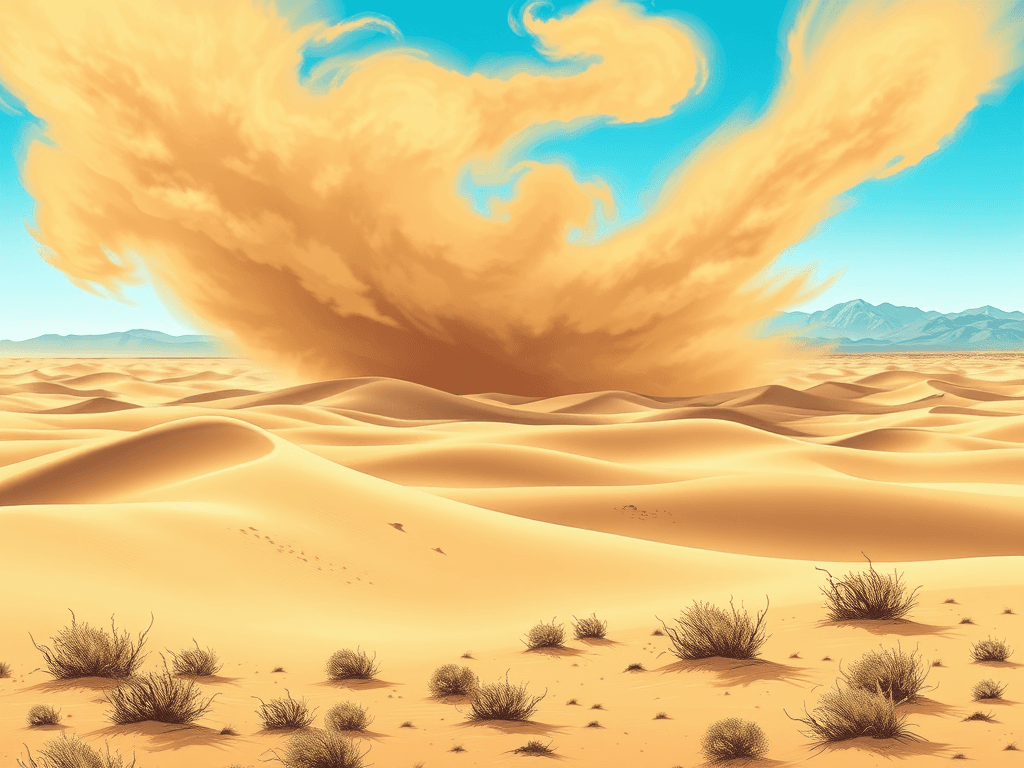
Dust
Dust, in general terms, is the name for microscopic, dust-like particles or accumulations of such particles composed of sand, soil, organic tissue fragments or artificial materials. These particles can be light enough to be carried by wind yet heavy enough to settle on surfaces (Source: Britannica). Dust consists of organic or mineral-based small solid particles and can be found everywhere: in the atmosphere, on the Earth’s surface, and in space. The size of dust particles ranges from a few micr
EN
Oksana Gülünay
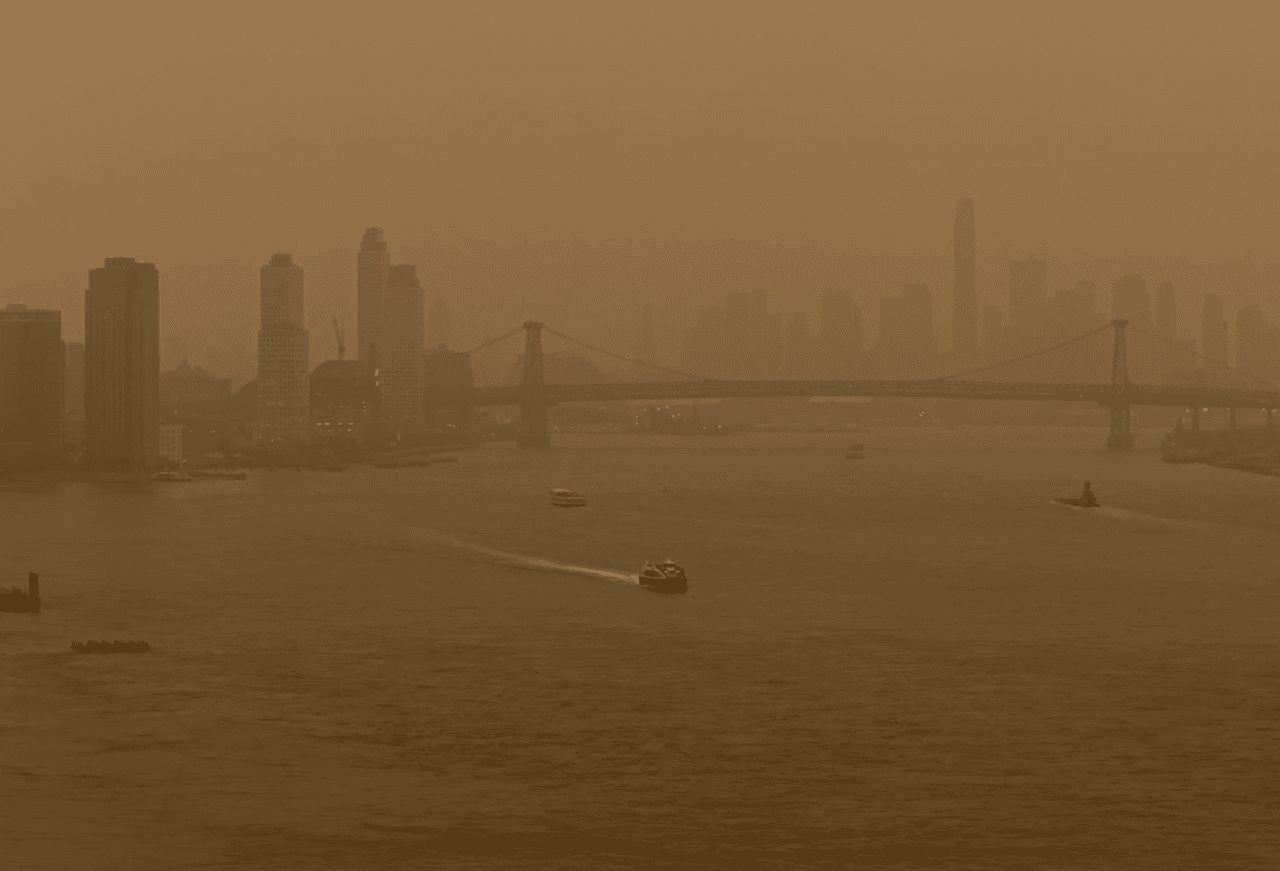
2026 Canada Forest Fires
2026 Canadian Wildfires are a series of massive wildfires that swept across Canada in July 2026, encompassing thousands of fires and triggering a severe air quality crisis as smoke spread across the Midwestern Great Lakes and Northeastern regions of the United States affecting tens of millions of people. The fires affected numerous regions of the country, primarily in British Columbia, Northwest Territories, Ontario, Quebec and Manitoba. Particularly dense smoke originating from the Ontario fire
EN
Edanur Karakoç