

`ahmed-i-hani` Related Article Results
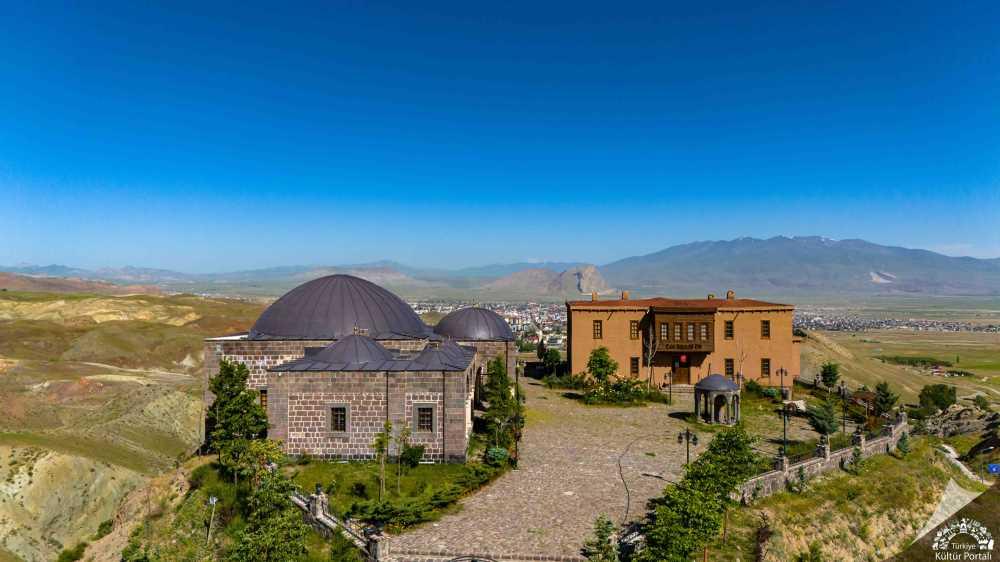
Doğubeyazıt City Museum
Doğubayazıt City Museum is a museum complex located in the Doğubayazıt district of Ağrı Province, reflecting the historical, cultural, and social memory of the city. The museum opened to the public in 2017 following studies initiated in 2014. Comprising two separate buildings, the museum consists of a structure modeled after the Ahmed-i Hani Medrese and a two-story adobe building representing the traditional Doğubayazıt house. Named after Ahmed-i Hani, a prominent Sufi poet and thinker who lived
EN
Sevgi Kıraç
 Ah
AhAhmed-i Hani City Museum and Traditional Doğubayazıt House
Ahmed-i Hani City Museum is a cultural structure located in the center of Doğubayazıt district, Ağrı Province, in Çifte Pınar Neighborhood, south of the İshak Paşa Palace road, on the site of the former Government House. The museum was founded in 2014 and opened to the public in 2017. Designed with consideration for 18th and 19th century Ottoman architectural elements, it was constructed in a külliye layout. The museum consists of two main buildings: one in the form of a medrese and the other a
EN
Melike Saraç
AhAhmed-i Hani Kent Müzesi ve Geleneksel Doğubayazıt Evi
Ahmed-i Hani Kent Müzesi, Ağrı ili Doğubayazıt ilçesi merkezinde, Çifte Pınar Mahallesi’nde, İshak Paşa Sarayı yolunun güneyinde, eski Hükümet Konağı mevkiinde yer alan bir kültür yapısıdır. Müze, 2014 yılında temeli atılarak 2017 yılında ziyarete açılmıştır. 18. ve 19. yüzyıl Osmanlı mimari unsurları dikkate alınarak tasarlanmış olup bir külliye düzeninde inşa edilmiştir. Müze, medrese planlı bir yapı ile geleneksel Doğubayazıt evinden oluşan iki ana binadan meydana gelir ve bu yapıların yer al
TRMelike Saraç
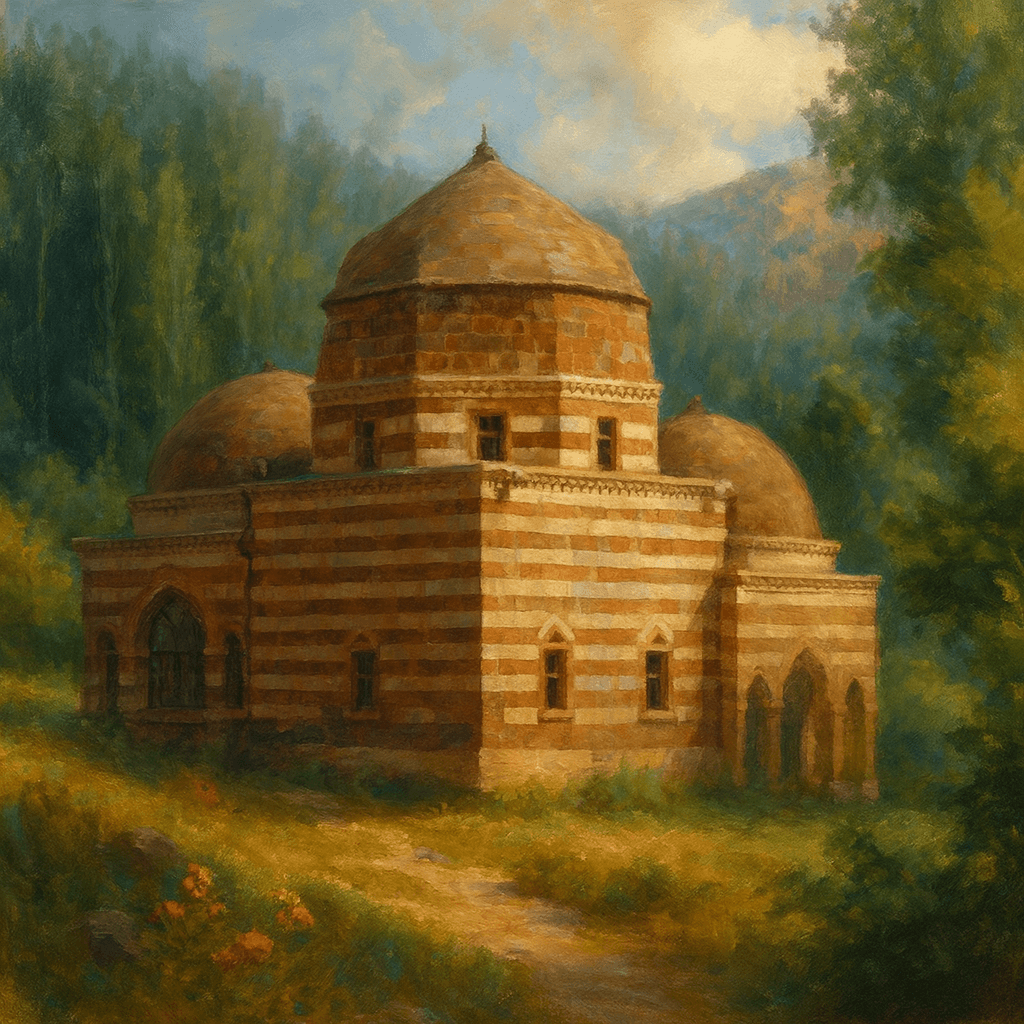
Tomb of Ahmed-i Hânî
Ahmed-i Hânî was a prominent Islamic scholar, Sufi thinker, and poet who lived in the 17th century. He was born in 1651. He traveled to many cities in Eastern Anatolia and studied Arabic and religious sciences. He also engaged in astronomy and composed poems and works. His most famous work is the mesnevi titled Mem û Zîn. While this work narrates the love story of two young people, it also explores the concept of divine love. Ahmed-i Hânî died in 1707 in Doğubayazıt. (Generated by Artificial Int
EN
Hikmet Can Urhan
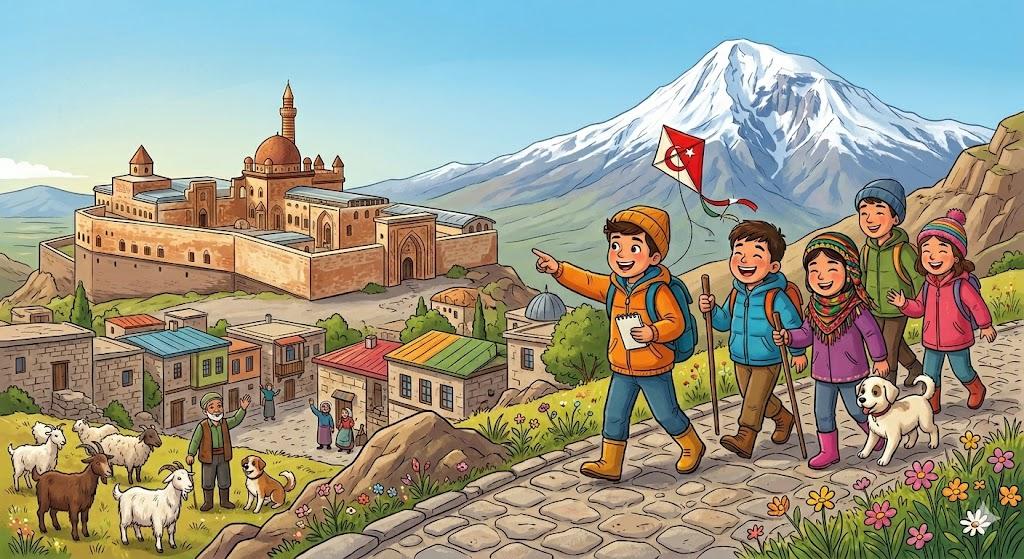
Doğubayazıt (District)
Doğubayazıt is a historic city located in the far east of Türkiye, at the south-western foothills of Ağrı Dağı. The region, with a settlement history spanning thousands of years, is notable for its geological formations and architectural structures. Historical Structures and Settlement Areas The settlement history of Doğubayazıt is very ancient. The Doğubayazıt Kalesi, built atop steep cliffs, occupies a commanding position. The fortress was used during antiquity by the Urartians, who carved roo
EN
Ömer Keleş
Ahmed-i Hânî Türbesi
Ahmed-i Hânî, 17. yüzyılda yaşamış önemli bir İslam âlimi, mutasavvıf (tasavvuf düşünürü) ve şairdir. 1651 yılında doğduğu bilinir. Doğu Anadolu’da birçok şehir gezmiş, Arapça ve dini ilimler öğrenmiştir. Ayrıca astronomiyle ilgilenmiş, şiirler ve eserler yazmıştır. En bilinen eseri Mem û Zîn adlı mesnevisidir. Bu eser, iki gencin aşkını anlatırken aslında “ilahi aşkı” da işler. Hânî, 1707 yılında Doğubayazıt’ta vefat etmiştir. (Yapay Zeka ile Oluşturuldu) " image-element-format="right" image-so
TRHikmet Can Urhan
Doğubeyazıt Kent Müzesi
Doğubayazıt Kent Müzesi, Ağrı ilinin Doğubayazıt ilçesinde yer alan ve kentin tarihî, kültürel ve sosyal hafızasını yansıtan bir müze kompleksidir. Müze, 2014 yılında başlatılan çalışmalar sonucunda 2017’de ziyarete açılmıştır. İki ayrı binadan oluşan müze, Ahmed-i Hani Medresesi’ni temsilen inşa edilmiş bir yapı ile Geleneksel Doğubayazıt Evi’ni yansıtan kerpiçten yapılmış iki katlı bir binadan oluşmaktadır. Adını, 17. yüzyılda Doğubayazıt’ta yaşamış önemli mutasavvıf, şair ve düşünür Ahmed-i H
TRSevgi Kıraç