

`age` Related Article Results
 Wh
WhWhite Book (Book)
Han Kang’s work White Book stands out among the poetic and experimental narratives of contemporary South Korean literature. In this book, the author explores themes of death, grief, memory, and rebirth, both on a personal and universal level. The book is not a novel in the classical sense; rather, it resembles an internal monologue and meditation unfolding through fragmented prose, centered around white-colored objects and images. Subject and Structure White Book is dedicated to the author’s sis
EN
Miray GÜR
The Issue of Meals in the Funeral Home
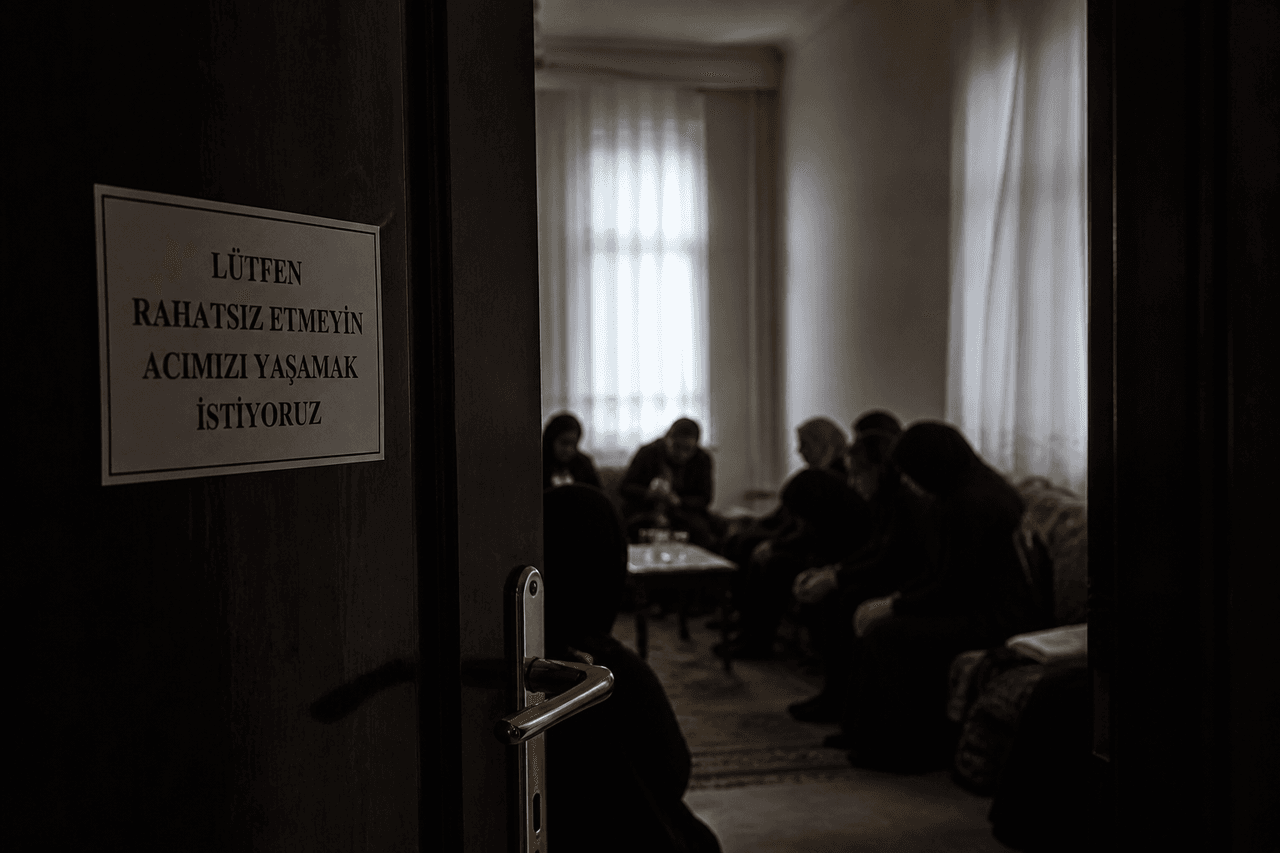
“Who is the table set for in the house of mourning?” Houses of mourning have become trapped in a ritualized practice under the banner of “solidarity.” From the outside, this appears to be a form of support; but from within, the reality is often very different. What truly happens there is the narrowing of space for the grieving person. When someone loses a loved one, their first need is not to socialize. Talking, offering food, hosting guests, or establishing order is not what they need at all. T
EN
Zeynepnur Karagülle
ThThe Invisible Law
They Think You’ve Forgotten. On Invisible Grief, Trauma, and Attachment... Years pass. Calendars change, seasons follow one another, and from the outside, life flows onward. As long as people see you standing, speaking, and laughing, they assume that something has “passed.” But in psychology, some losses do not fade with time; they only grow silent. They are invisible from the outside yet continue to exist within. This is often called invisible grief. This is not forgetting. It is not suppressio
ENZeynepnur Karagülle
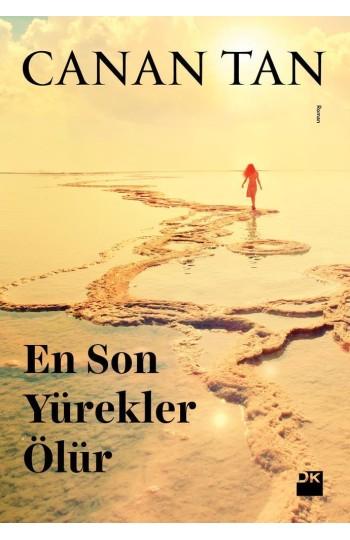
Last Hearts Die (Book)
Last Hearts Die is a modern Turkish novel that intertwines love, loss, and hope through a chain of dramatic events. It was written by Canan Tan. The novel explores an unfinished love story cut short by an unexpected death, questioning the profound connections between life and death through the theme of organ donation. It presents an emotional narrative that links the destruction initiated by an accident with new doors of hope opening to fresh lives. Plot The novel centers on the love between Den
EN
Mehmet Denizhan
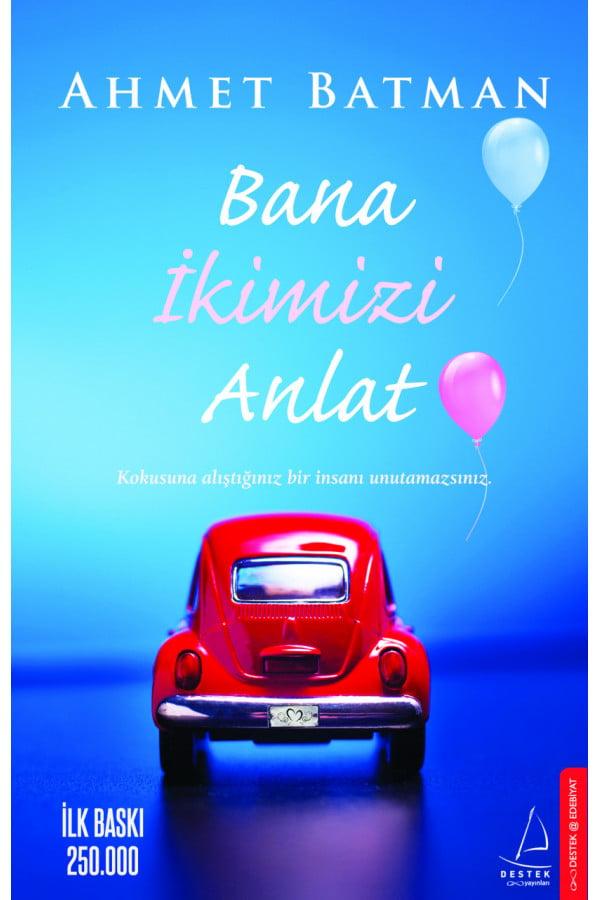
Tell Me About Both of Us (Book)
Bana İkimizi Anlat, written by Ahmet Batman, is an emotional novel that explores the theme of romanticism in modern Turkish literature. Centered on love, loss, inner journey, and acceptance, the work examines the meaning of life and true belonging through the eyes of a young man who grows up in solitude and has been in love since childhood with a girl. Plot The novel focuses on the gradual deepening of Rüzgâr’s platonic love for Yağmur, whom he met in childhood, and how this affection shapes his
ENMehmet Denizhan
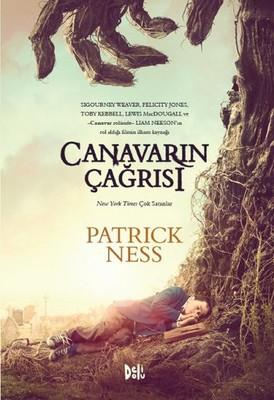
The Call of the Beast (Book)
The book, written by Patrick Ness, was published in 2011 and translated into Turkish in 2016. The concept originated with Siobhan Dowd (a writer who died of cancer) and was developed by Patrick Ness. Summary of the Book Thirteen-year-old Conor suffers from nightmares due to his mother’s battle with cancer and the bullying he endures at school. One night, a massive creature made from an ancient yew tree visits him. The creature tells Conor that it will tell him three stories, and in return, Conor
EN
Emirhan Fındık
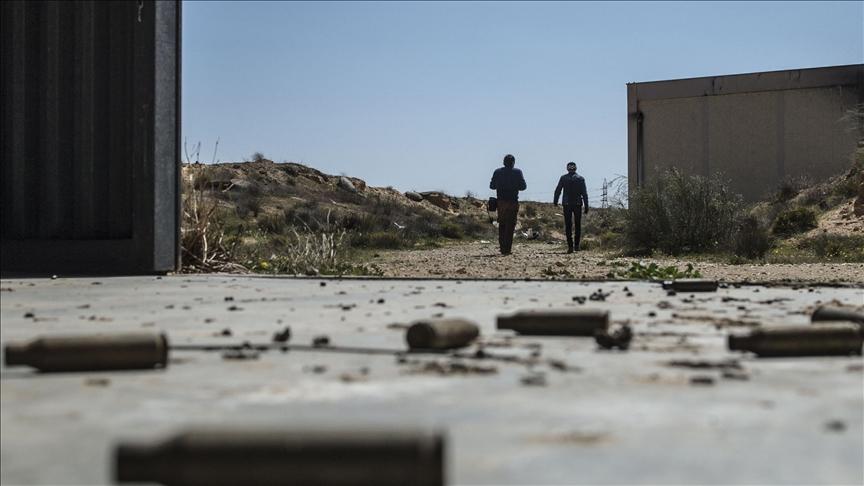
Kokorou Mosque Attack (2025)
The Kokorou Mosque Attack was an armed assault on a mosque in the Fonbita neighborhood of the village of Kokorou, in the Tillabéri region of Niger, on 21 March 2025. During the attack, civilians gathered for prayer were targeted, resulting in at least 44 people killed and 13 injured. Authorities have stated that the attack was carried out by a group linked to ISIS. Course of the Attack The attack occurred on 21 March 2025 during midday in Kokorou, located in the Tillabéri region of southwestern
EN
Edanur Karakoç

Reason is not in age, but in the mind.
This expression conveys that a person’s intelligence and maturity are not determined by their age, but by their way of thinking and wisdom. A young person’s youth does not mean they are incapable of making wise decisions or possessing deep thoughts. Sometimes we encounter young people who think more intelligently than older individuals. This saying reminds us that we should judge people not by their age, but by the intellect and knowledge they possess. 🤔 Where Does It Come From? This expression
EN
Nida Üstün