

`accessibility` Related Article Results

Ergonomics in Architecture
In architecture, ergonomics is a design approach grounded in human-environment interaction, aiming to create healthy, safe, and comfortable living and working spaces that align with human physical, psychological, and social needs. Within the framework of architecture’s fundamental objective—human-centered design—ergonomics seeks to enable users to move physically comfortably within built environments, perform activities efficiently in functional spaces, and experience psychologically secure and
EN
Esra Özkafa
CSS (Cascading Style Sheets)
CSS (Cascading Style Sheets) is a style sheet language used to format the visual presentation of HTML documents. First standardized in 1996 by the W3C (World Wide Web Consortium), CSS has become a fundamental component of modern web design by separating structural content from visual layout. CSS allows developers to control properties such as color, size, positioning, and alignment of texts, images, and other elements used within HTML documents. In this regard, CSS contributes to making digital
EN
Okan Kanpolat
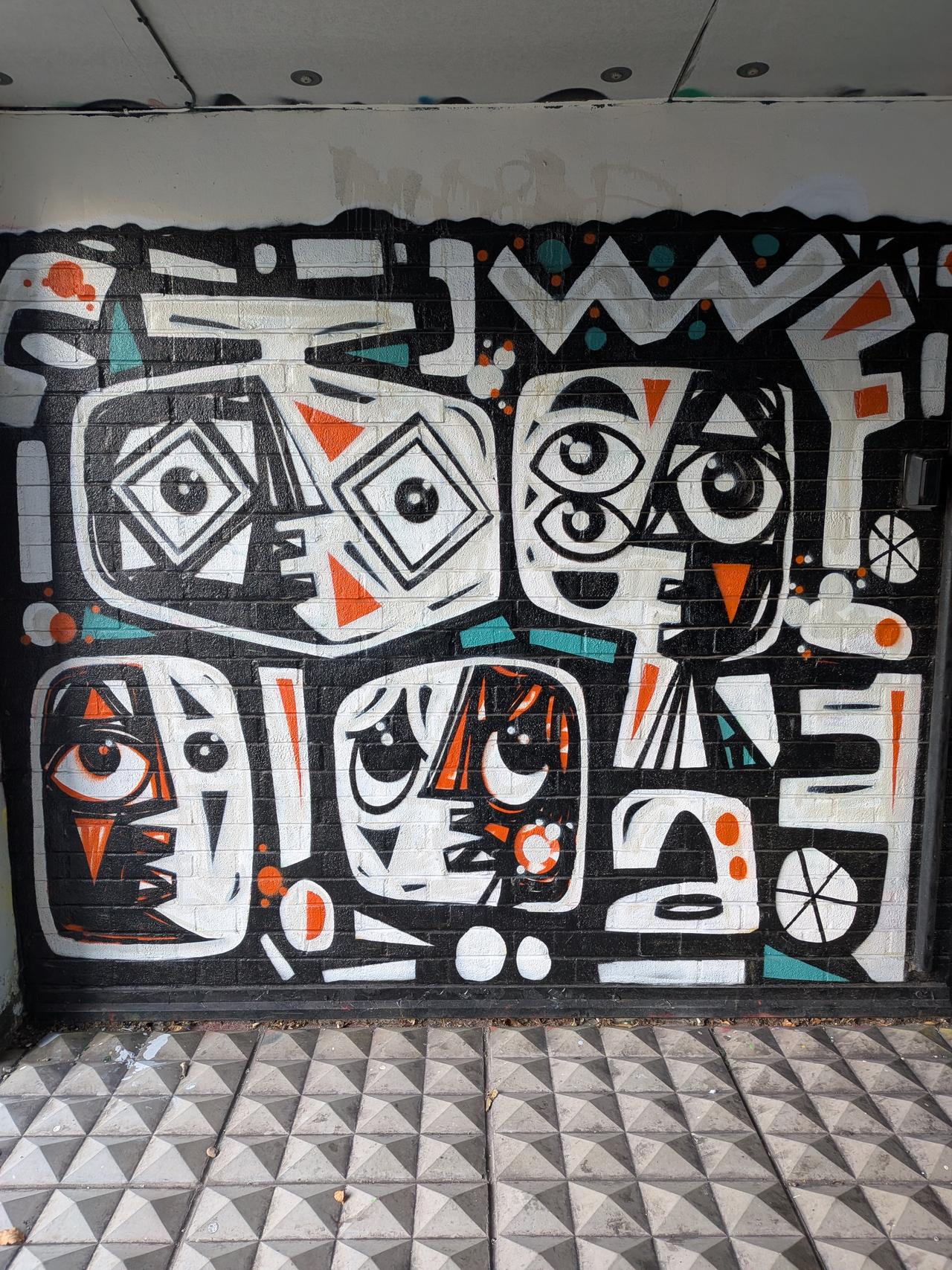
No Sitting! Who Is This Public Space For?
Imagine you want to sit on a bench. But there is an armrest in the middle of the bench. Or the surface is so slanted that you slide off when you try to sit. Perhaps you wanted to lean against a window sill in front of a shop, but small metal protrusions blocked you. You probably just muttered, “What kind of design is this?” and moved on. It is precisely this “moving on” state that constitutes the real success of these designs. These designs are called hostile architecture. The purpose of hostile
EN
Nazlı Kemerkaya
 Po
PoPodcast
Podcast is a form of digital media that typically consists of audio files published online, often released as part of a series. Emerging with the spread of the internet, this format facilitates access to information for individuals and communities, offering content ranging from personal narratives to expert discussions. It is studied within communication studies, media analysis, and digital culture as a component of modern broadcasting. Historical Development The origins of podcasting trace back
EN
Fatihhan Adana
CyCybersecurity Risks for Visually Impaired Individuals
Accessibility Issues and Cybersecurity Risks Web and Application Accessibility Visually impaired individuals rely on assistive technologies such as screen readers and voice command systems to navigate websites and applications. However, many websites and digital platforms fail to fully comply with the Web Content Accessibility Guidelines (WCAG), creating significant barriers for visually impaired users. User Authentication and CAPTCHA Challenges Cybersecurity measures often include CAPTCHA verif
EN
Oğuzhan Yetimhellaç
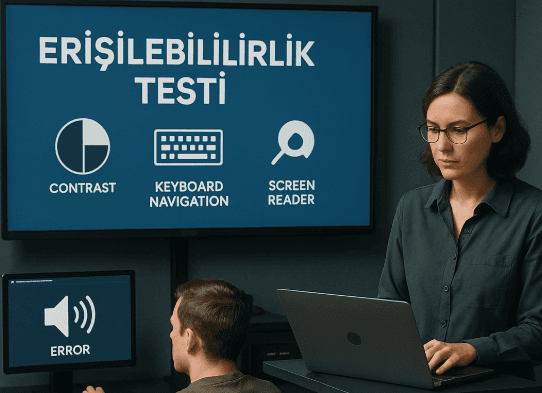
Accessibility Testing
In today’s world where digital services are widespread, accessibility of software and web-based applications to everyone has become a fundamental requirement. Accessibility is not merely a technical standard; it is also a concept directly linked to social participation, equality, and human rights. Within this context, accessibility testing is a systematic type of software testing conducted to evaluate the usability of software products by individuals with diverse abilities. The purpose of access
EN
Beyza Nur Türkü

Dikmen Valley
Dikmen Valley is a district located along Ankara’s main arterial roads, transformed under an urban regeneration project from a former informal settlement into a modern recreational and living space.【1】 Geographical Location and Access Dikmen Valley is situated very close to the center of Ankara within the boundaries of the Çankaya district. The official address of the valley is recorded as Şair Baki Caddesi, Yukarı Ayrancı Mahallesi. Accessible by public transportation, the valley is open to vis
EN
Gözde Cabadak

Circulation in Architecture
One of the fundamental elements of architectural design, circulation, refers to the systems of movement and access that directly influence the functioning of a building or space and the user experience. Circulation plays a decisive role in organizing transitions between spaces, ensuring functional coherence, and designing user guidance. According to Ching (2002), circulation is not only a physical means of passage but also a design element that shapes spatial perception and wayfinding behavior.
ENEsra Özkafa
Accessibility Testing
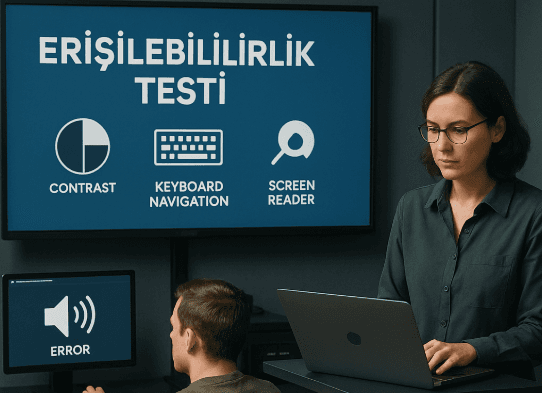
In today’s world where digital services are widespread, ensuring that software and web-based applications are accessible to everyone has become a fundamental requirement. Accessibility is not merely a technical standard; it is also a concept directly linked to social inclusion, equality, and human rights. Within this context, accessibility testing is a systematic type of software testing conducted to evaluate the usability of software products by individuals with various disabilities. The purpos
ENBeyza Nur Türkü