

`abdulhamid-ii` Related Article Results
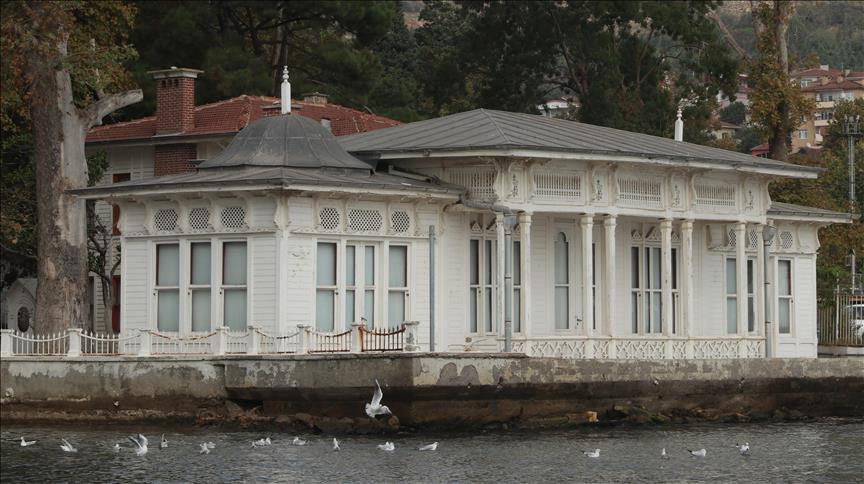
Kaiser Wilhelm Pavilion
The Kaiser Wilhelm Pavilion is a historic structure located in Hereke, Körfez district of Kocaeli, Türkiye, along the coast of the Marmara Sea. It was built in 1898 for the visit of German Emperor Wilhelm II. Constructed by order of Ottoman Sultan Abdülhamid II, the pavilion hosted diplomatic interactions of the period while standing out for its architectural and craftsmanship qualities. Its name honors the German emperor commemorating this diplomatic visit. Construction Process and Architectura
EN
Ahsen Güneş
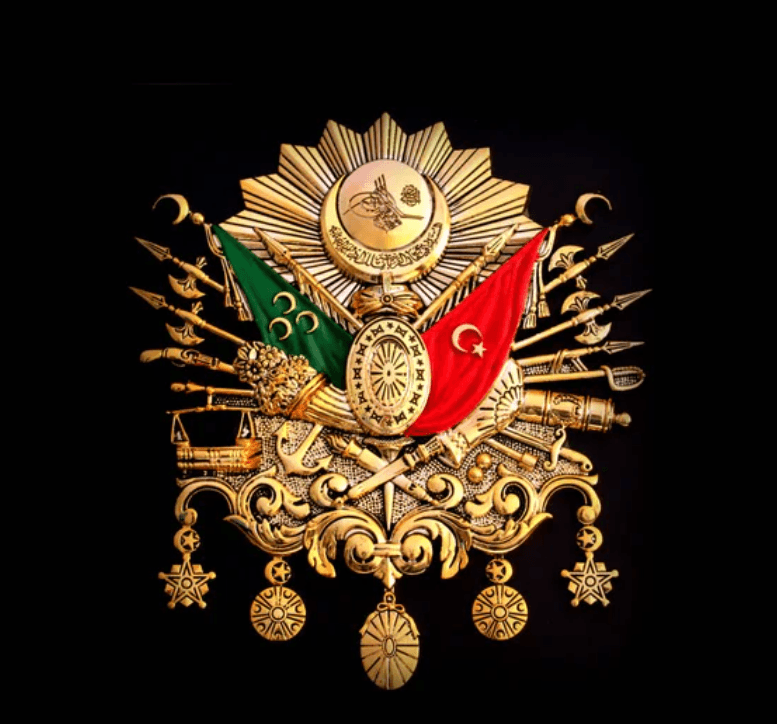
Ottoman State Emblem
The Ottoman State Coat of Arms (Arma-i Osmani), is the coat of arms adopted by the Ottoman Empire as its official state symbol in the 19th century and attained its final form on 17 April 1882. The coat of arms was designed to unify the multi-ethnic structure of the empire, reflect a modern state identity, and emphasize its official authority. It was also used as an alamet-i farika (mark) on commercial products, but this usage was strictly regulated by the state. The coat of arms held a significa
EN
Elif Laçin
 St
StStar Ceramic and Porcelain Factory
Yıldız Çini ve Porselen Fabrikası is a porcelain manufacturing facility established within the gardens of Yıldız Sarayı as part of the Ottoman Empire’s industrialization efforts initiated by Sultan Abdülhamid II (1876–1909). Commencing production in 1894, the factory operated to meet the porcelain needs of the Ottoman palaces, serving as a counterpart to European court porcelain manufactories such as Sèvres, and aiming to introduce Ottoman porcelain art and the sultan’s identity to the world. Fo
EN
Meltem Saraç
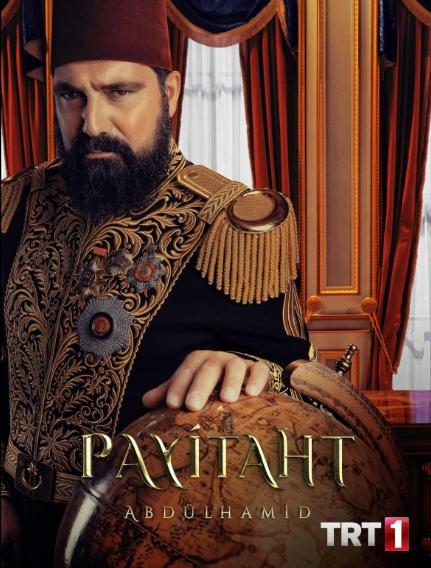
The Capital "Abdülhamid" (Series)
Payitaht Abdülhamid is a Turkish television series spanning the historical, fictional, action, and drama genres, which premiered on TRT 1 on 24 February 2017. The series focuses on the final 13 years of the reign of the 34th Ottoman sultan, Abdulhamid II (1896–1909) from a historical perspective. Produced by Es Film, the series is directed by Serdar Akar and written by Uğur Uzunok, Ayça Mutlugil, and Hamza Akyıldız. Spanning five seasons, the series concluded on 4 June 2021 with its 154th episod
EN
Ayşe Hümeyra Akkanat
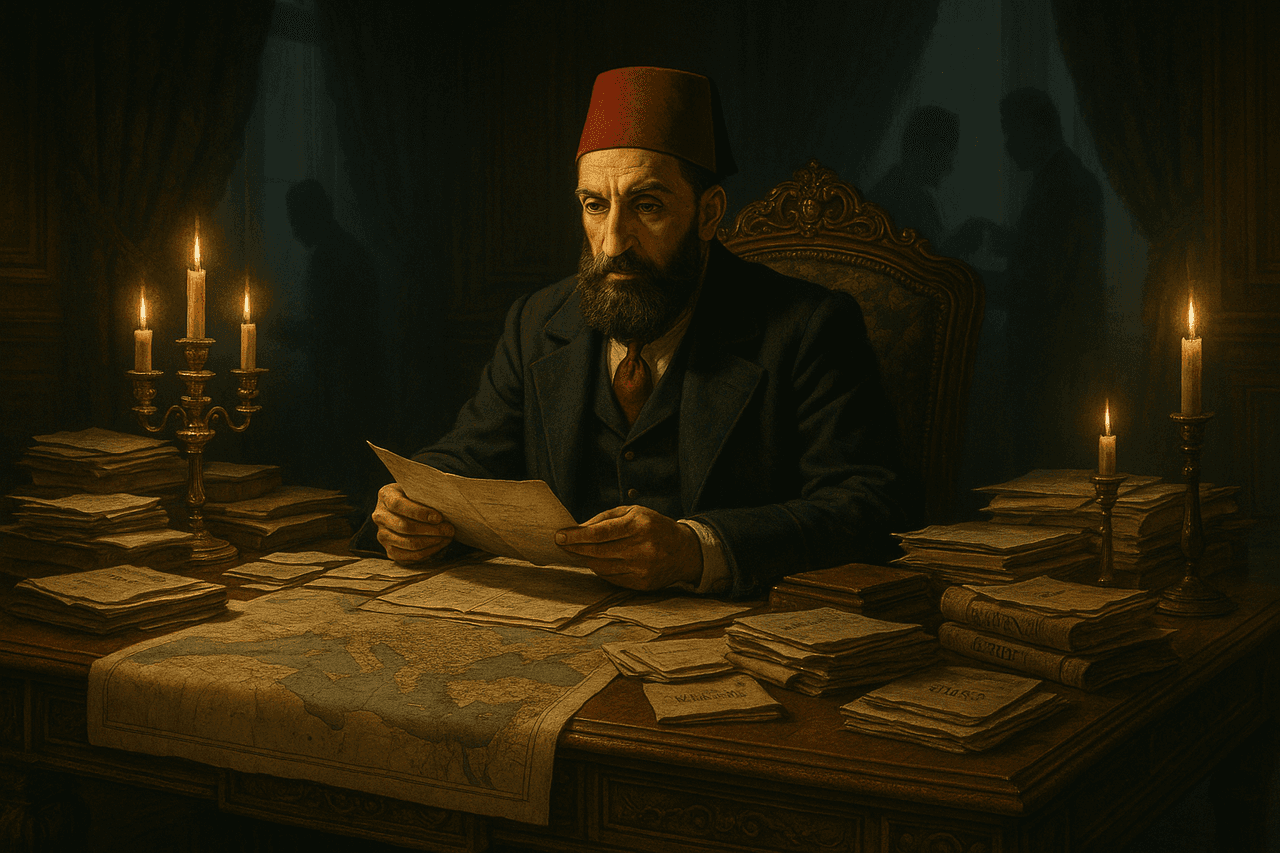
Ottoman Intelligence during the Reign of Abdulhamid II
Ottoman State intelligence activities have been regarded throughout history as a vital element for the state’s survival, with espionage operations widely employed especially in border regions and diplomatic relations. However, these activities reached their most systematic and institutionalized form during the reign of Sultan Abdulhamid II (1876–1909). Abdulhamid placed intelligence at the center of state administration to control internal opposition and defend the empire against external threat
EN
Nurten Yalçın
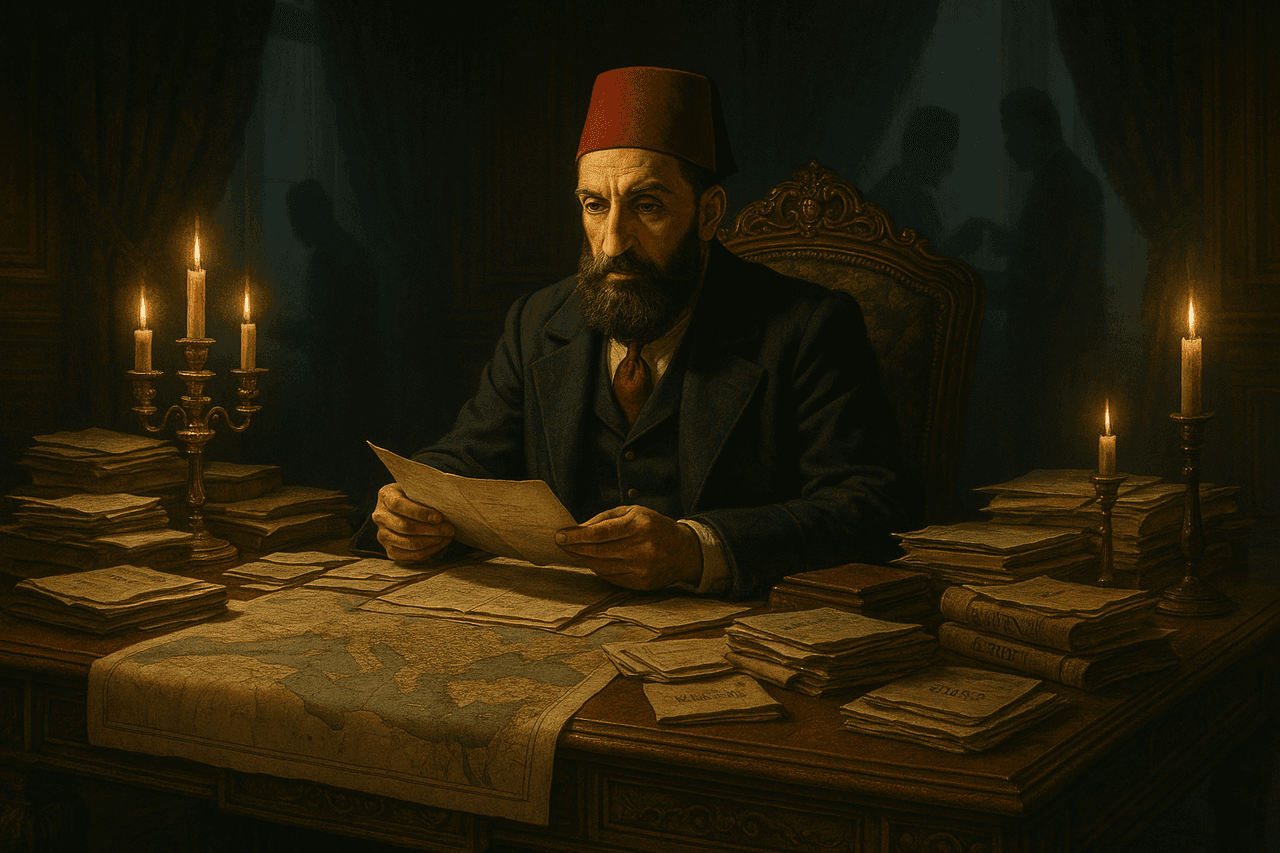
Ottoman Intelligence during the Reign of Abdulhamid II
In the Ottoman State, intelligence activities have been regarded throughout history as a vital element for the survival of the state, with espionage being widely employed especially in border regions and diplomatic relations. However, these activities reached their most systematic and institutionalized form during the reign of Sultan Abdulhamid II (1876–1909). Abdulhamid placed intelligence at the center of state administration to control internal opposition and defend the empire against externa
EN
Nurten Yalçın
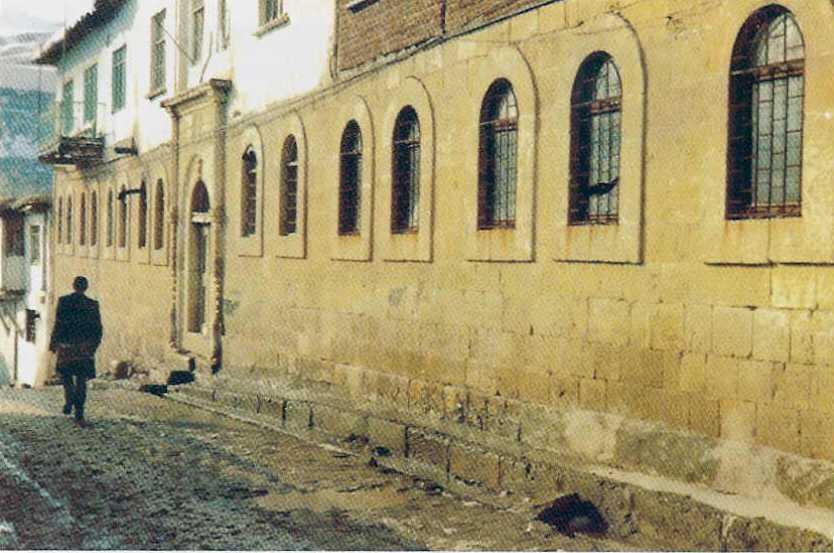
Hamidiye Medresesi
Hamidiye Medresesi is one of the educational structures from the 19th-century Ottoman period located in the Çemişgezek district of Tunceli Province. Built during the reign of Sultan Abdülhamid II, the building represents a regional example of Ottoman madrasa architecture where religious and scientific education were conducted together. Location and Historical Context Hamidiye Medresesi is situated within the boundaries of Çemişgezek district, in western Tunceli, near the district center. The str
EN
Yusuf İslam Tuğla
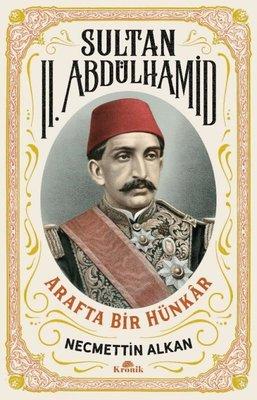
Sultan Abdulhamid II: A Sovereign in the Heavens (Book)
Sultan Abdülhamid II: A Sovereign in the Heavens is a biography by Necmettin Alkan that comprehensively examines the life, personality, and political struggles of Abdülhamid II, one of the sultans of Ottoman history. The work explores Abdülhamid II’s balancing act in domestic and foreign policy, the tension between his modernization efforts and traditionalist governance, his Islamic-oriented policies toward the West, and his stance on critical events such as the Young Turks, the Armenian questio
EN
Emirhan Fındık
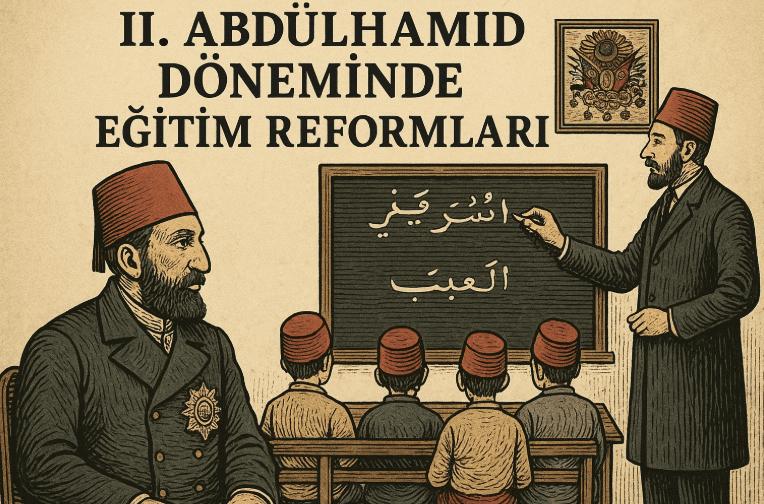
Educational Reforms during the Reign of Abdulhamid II
Abdülhamid II (1876–1909) was a period of profound transformations in the Ottoman education system. The reforms implemented during this time were shaped both as part of modernization efforts and as a means to strengthen central authority. Educational policies were designed by synthesizing Western models with Islamic values, aiming to produce individuals equipped with both technical knowledge and moral principles. Reorganization of the Education System During the reign of Abdülhamid II, the educa
EN
Yeşim Can
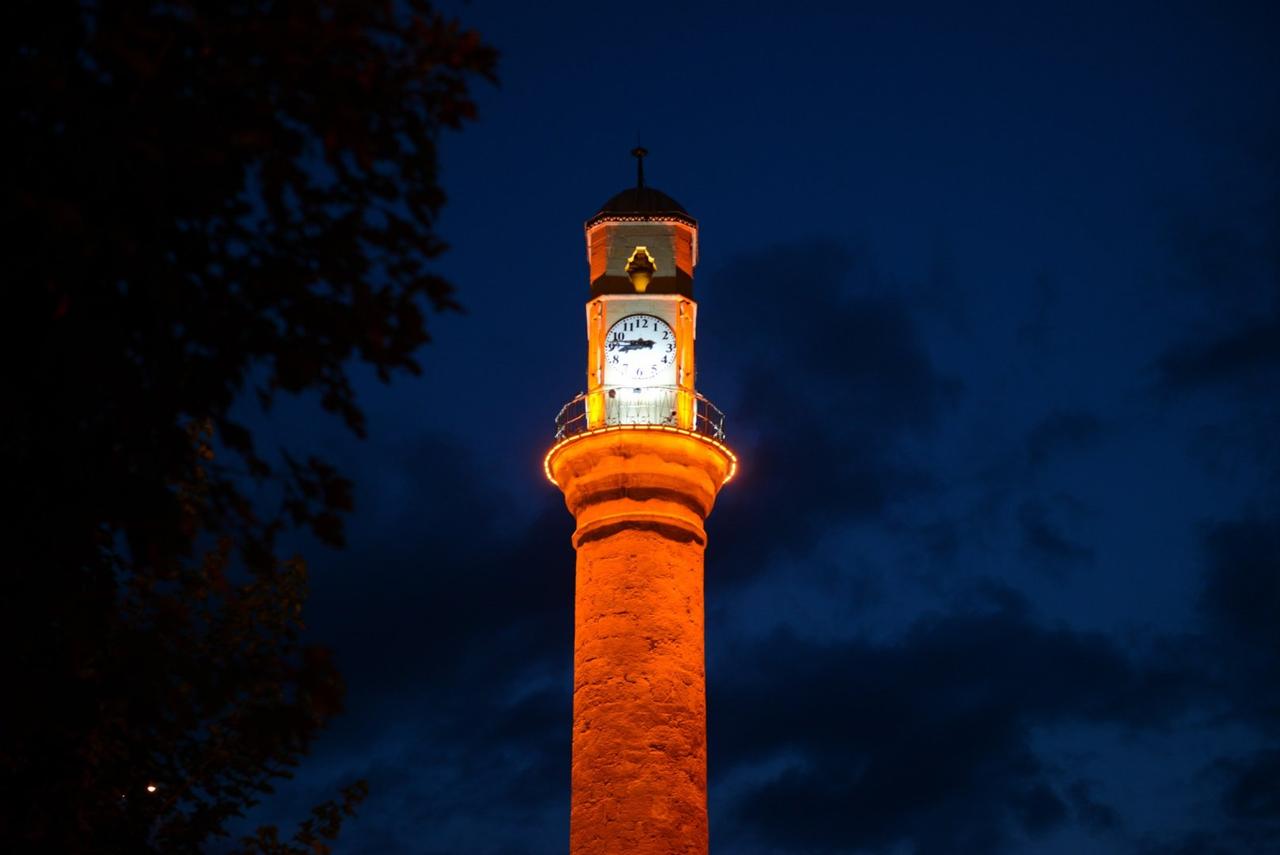
Çorum Clock Tower
Çorum Clock Tower was commissioned in 1894 by Beşiktaş Guard Çorumlu Yedi Sekiz Hasan Paşa during the Ottoman period. The tower is located in the center of Çorum province in Türkiye’s Black Sea Region, situated in one of the city’s most densely populated areas. Architectural Features The Çorum Clock Tower is architecturally designed in the form of a minaret. Its base is octagonal with a diameter of 5.3 meters, and the total height of the tower is 27.5 meters. The main body has 24 sides with a di
EN
Bilge Öztürk