

`19th-century` Related Article Results
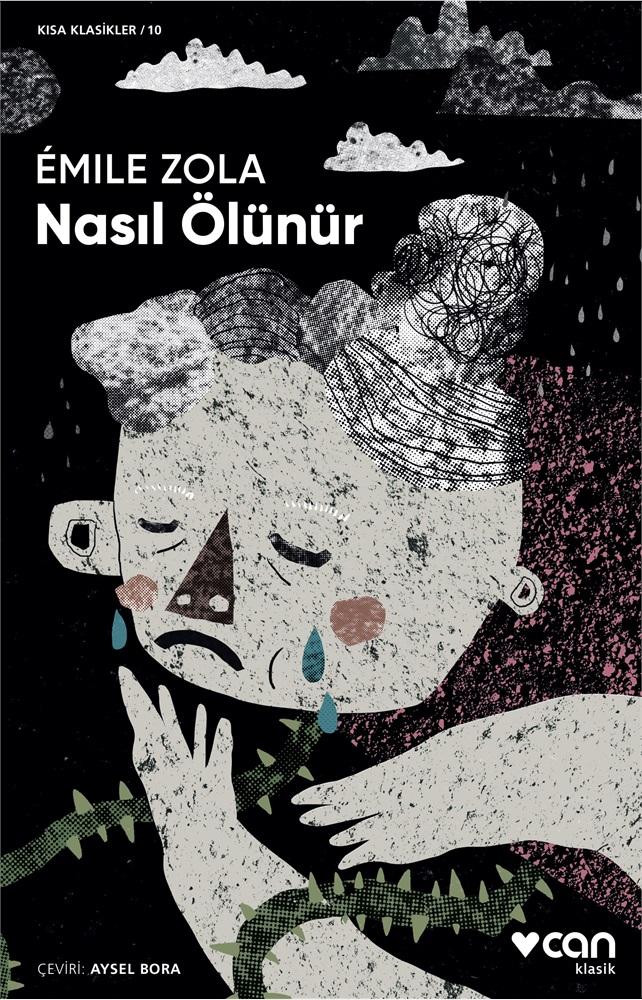
How to Die (Book)
Émile Zola’s work How to Die is a collection of various essays on death written by the author. Therefore, rather than being a single novel with a specific plot, style, and theme, it comprises reflections written at different times and examining the phenomenon of death from multiple perspectives. Subject and Themes of the Book The book consists of essays of varying lengths, inspired by Zola’s personal experiences, observations, and events of his time. Philosophical and Social Dimensions of Death:
EN
Emirhan Fındık
 Ha
HaHasaköy Church
Hasaköy Church is located in the center of Hasaköy Village (formerly known as Sasima), in the Bor district of Niğde Province, Türkiye. The church is situated within the village settlement, enclosed within a walled area. History According to an inscription above the entrance door, which has not survived to the present day, the church was repaired in 1843. A Greek-lettered Karamanli inscription reads the name “Hagias Kryake” and the date 1848. A date of 1872 is found on a textual band along the wa
EN
Meltem Saraç
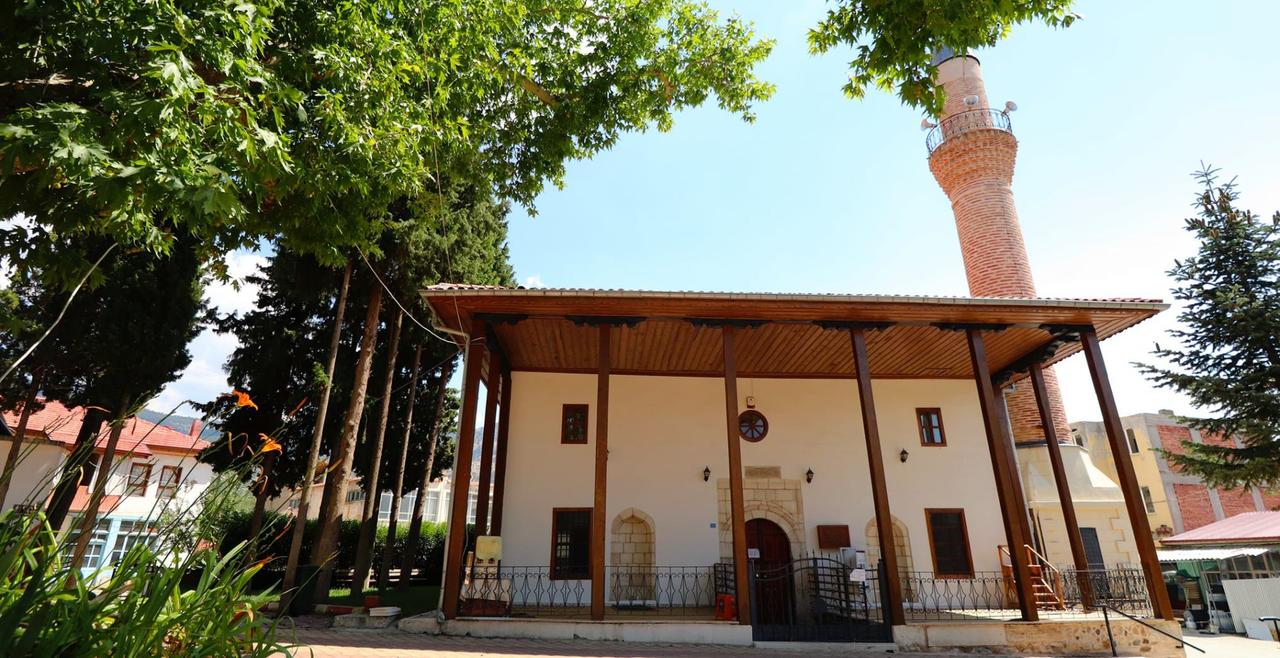
Acıpayam Yazır Mosque
The Acıpayam Yazır Mosque, located in the Yazır Neighborhood of the Acıpayam District in Denizli Province, is one of the significant examples of the wood-columned mosque tradition, which is increasingly rare in Anatolia and was constructed in the 19th century. According to information from its inscription, the mosque was built in 1801 by Hacı Ömer Efendi (or Hacı Ömer Ağa). The structure, also known locally as the Çarşı Camii, is noteworthy for both its architectural layout and its rich decorati
EN
Sevgi Kıraç
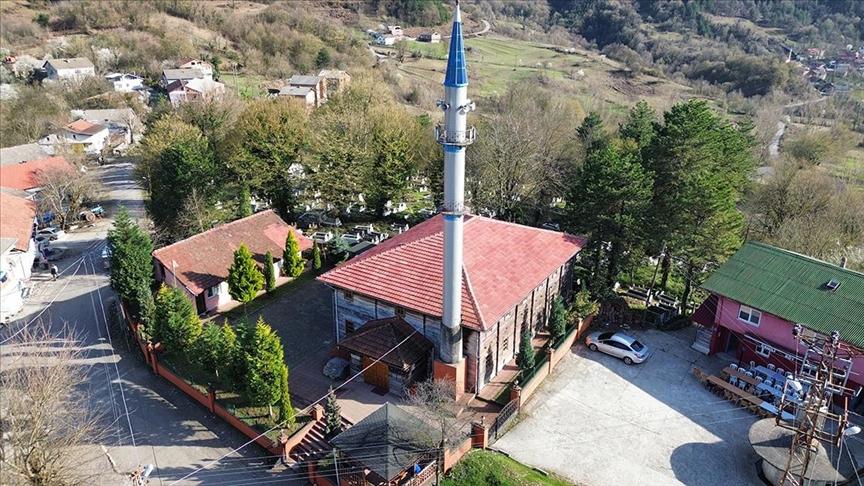
Akçahatipler Village Central Mosque
Akçahatipler Köyü Merkez Cami is a traditional mosque located in the eastern settlement center of Akçahatipler Village, within the boundaries of Çaycuma District in Zonguldak Province, near Bartın. Constructed entirely of wood using the çantı technique, it is estimated to have been built in the first half of the 19th century. The structure is one of the rare examples of çantı mosques in the Western Black Sea region, notable for both its architectural planning and the skilled use of its timber fr
EN
Metin Terzioğlu
ThThe Empire's Longest Century (Book)
İlber Ortaylı's The Longest Century of the Empire (İmparatorluğun En Uzun Yüzyılı in Turkish) is a historical study that examines the modernization process of the Ottoman Empire in the 19th century. The book analyzes topics such as the Tanzimat and Islahat Edicts, centralist reforms, and transformations in education and law, while also exploring the Empire’s relationship with the West, its struggles with nationalist movements, and the dissolution of its multinational structure. Ortaylı argues th
EN
Mehmet Salih Çoban
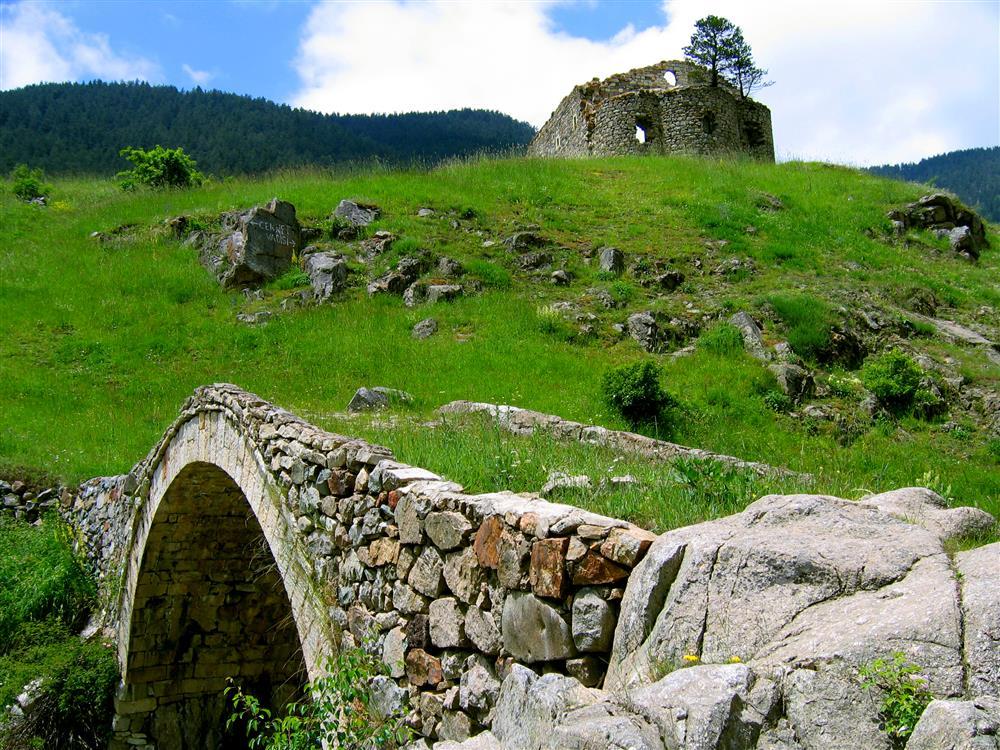
Çakrak Church and Bridge
Çakrak Church and Bridge are significant 19th-century cultural structures located in the village of Çakrak, in the Alucra district of Giresun, Türkiye. Situated at an altitude of approximately 1,500 meters above sea level, the church is about 90 km from the Giresun city center and 47 km from the Alucra district center. Built after the proclamation of the Imperial Edict of Reform (Islahat Fermanı), the church is one of four constructed in the village and represents an important example of the reg
EN
Murat Şen
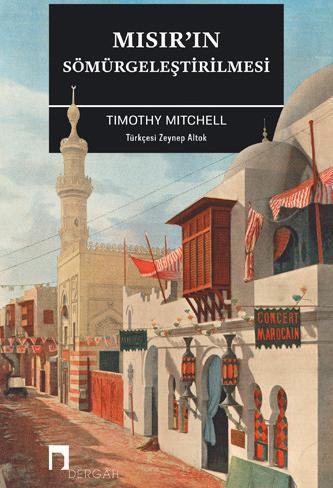
Colonising Egypt (Book)
Colonising Egypt is a scholarly work written by Timothy Mitchell and translated into Turkish by Zeynep Altok. The book examines the process of Egypt’s colonization in the 19th century, the operation of modern forms of power, and the role of knowledge production in this process. Through the lens of Egypt’s colonization, Mitchell analyzes the methods and metaphysics that modern forms of power and knowledge employ. Subject The book focuses on two main issues: Modern Forms of Political Power: Mitche
EN
Muhammed Samed Acar
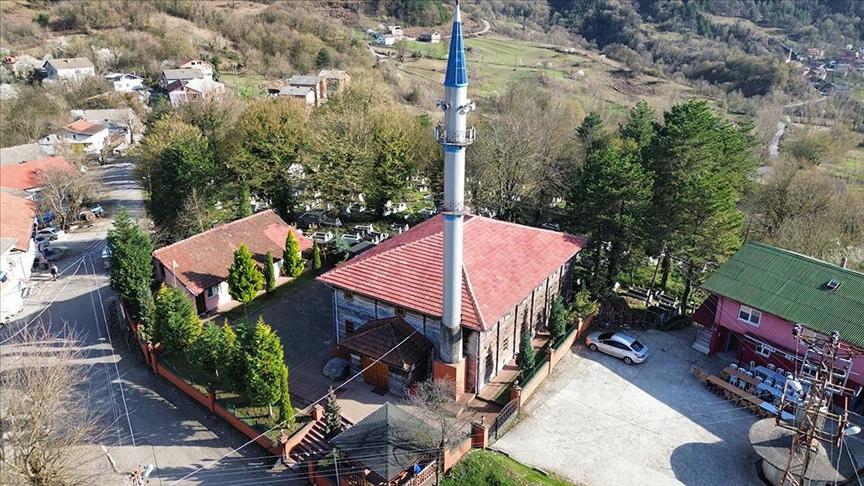
Akçahatipler Village Central Mosque
Akçahatipler Village Central Mosque is a traditional wooden mosque constructed using the çantı technique, located at the center of the eastern settlement of Akçahatipler Village within the boundaries of Çaycuma District in Zonguldak Province, near Bartın. Estimated to have been built in the first half of the 19th century, the structure is one of the rare examples of çantı mosques in the Western Black Sea region, notable for both its architectural planning and the skilled use of its timber-frame
EN
Metin Terzioğlu