

What is a Piano?
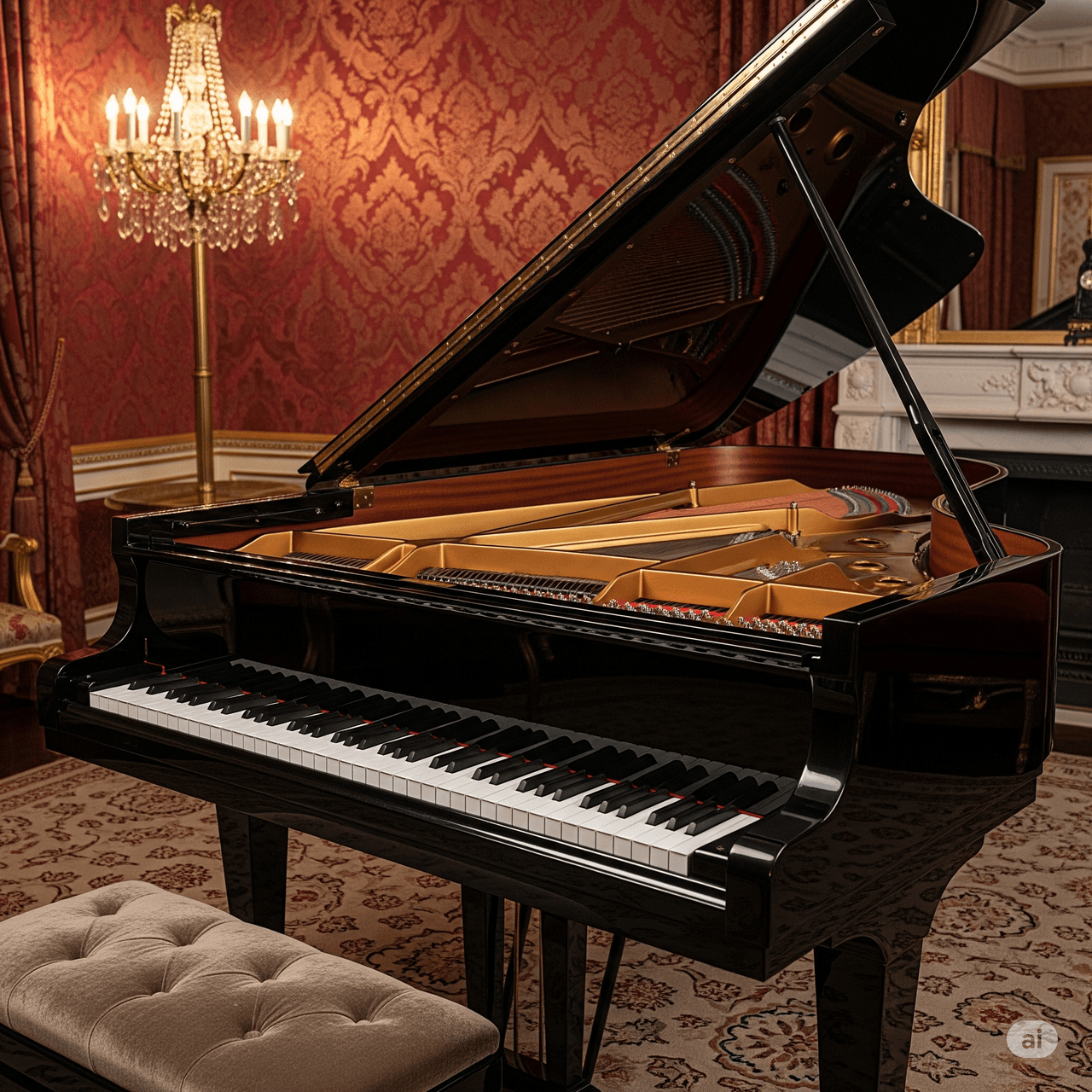
The piano is a large musical instrument that produces music by pressing keys. Beneath each key are small hammers that strike strings when the keys are pressed, generating sound. The piano’s sound can be both soft and powerful, which is why it is widely used in both classical and modern music. Today, digital and electronic versions of the piano also exist.
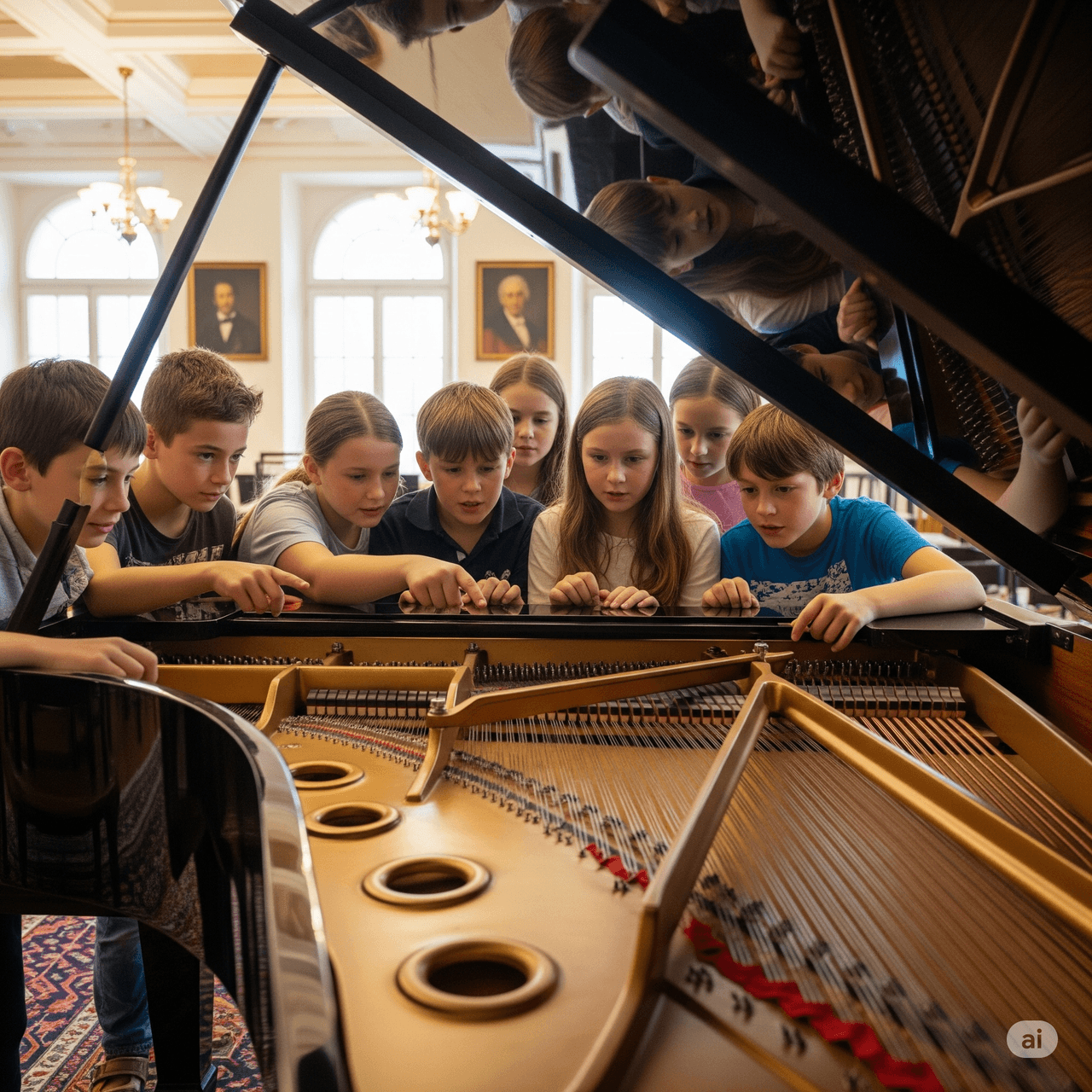
(Generated by Artificial Intelligence.)
Structure of the Piano
The piano is a keyboard instrument with 88 keys—52 white and 36 black. When a key is pressed, a hammer inside strikes the strings. The vibration of the strings is amplified by a soundboard, allowing us to hear the music. Pedals extend the duration of the sound.
How Is the Piano Played?
The musician’s fingers touch the keys, causing the hammers to strike the strings and produce sound. By pressing the pedals, different effects can be added to the music, allowing notes to sustain, elongate, or be softened.
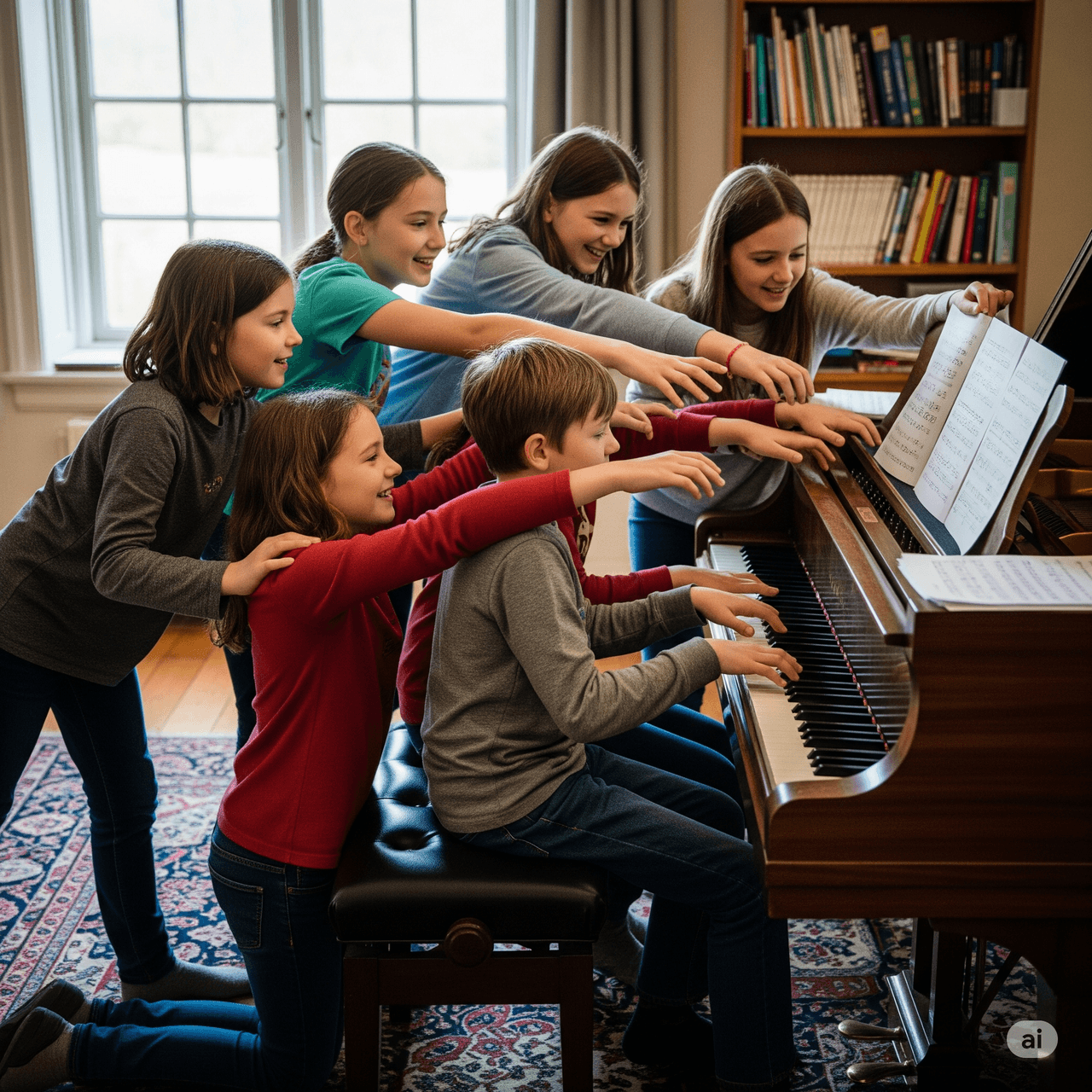
(Generated by Artificial Intelligence.)
History of the Piano
The piano was invented in Italy in the early 1700s by Bartolomeo Cristofori. Unlike other instruments of the time, his piano could produce both soft and loud sounds. Over time, the piano evolved and became one of the most widely used instruments today.
Uses of the Piano
The piano is used in many genres, from classical to pop music. It can be played as a solo instrument or alongside other instruments. It is commonly found in schools, concert halls, homes, and music studios. The piano is one of the foundational instruments in music education.
The Piano and Turkish Music
The piano is an innovative instrument in traditional Turkish music. Although its timbre differs from that of traditional instruments, this diversity enriches our folk music. The use of the piano in specific compositions adds a unique beauty to the music.
Piano Education
Children learning the piano develop fundamental musical skills such as reading notation, rhythm, and coordination. Education enhances children’s hand-eye coordination, concentration, and creativity. With regular lessons, children quickly begin playing sweet melodies.
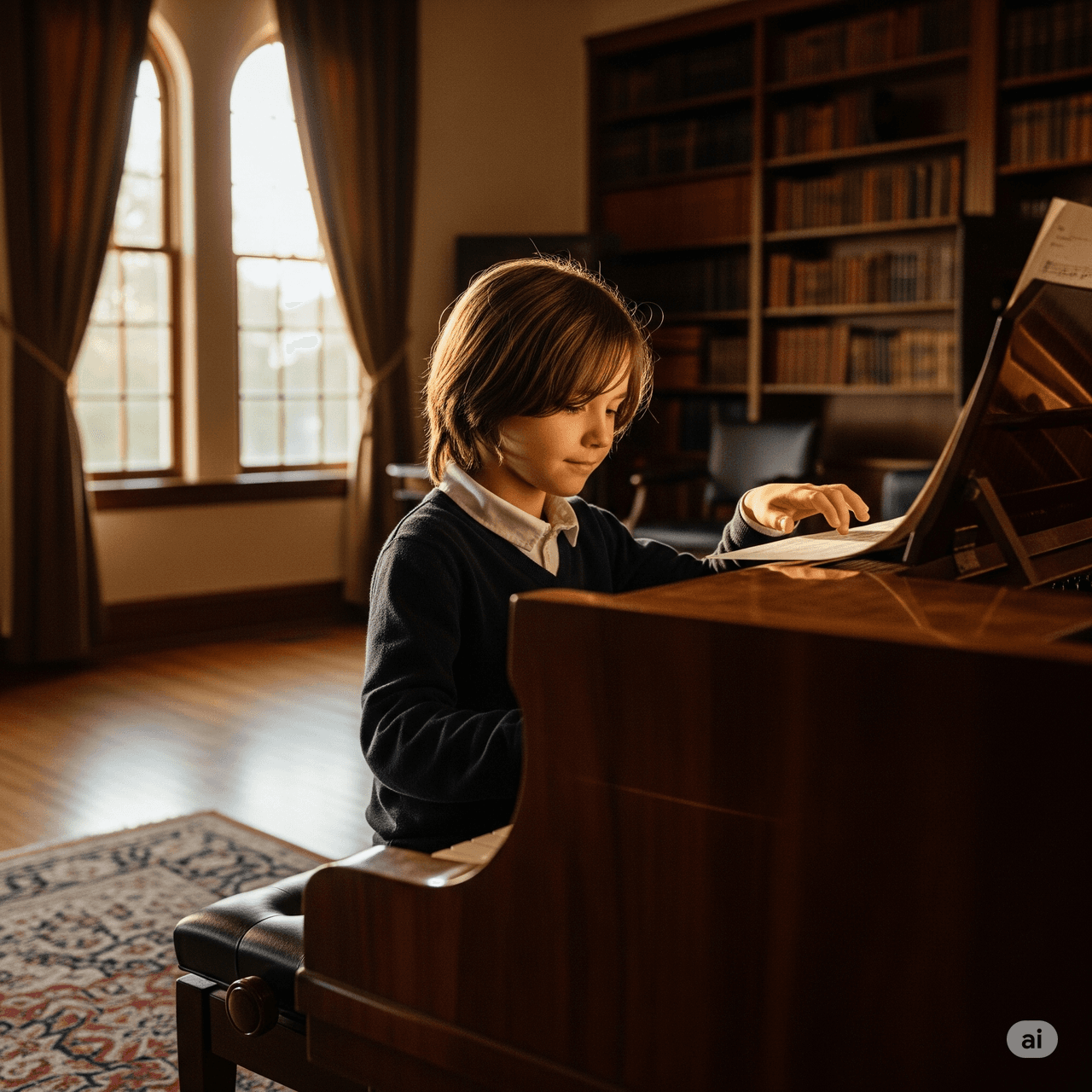
(Generated by Artificial Intelligence.)
Why Is Playing the Piano Wonderful?
The piano combines sound and emotion. While playing, both the mind and body work together. Moving the fingers, listening to the music, and maintaining rhythm all occur simultaneously. This makes playing the piano both an enjoyable and rewarding experience.