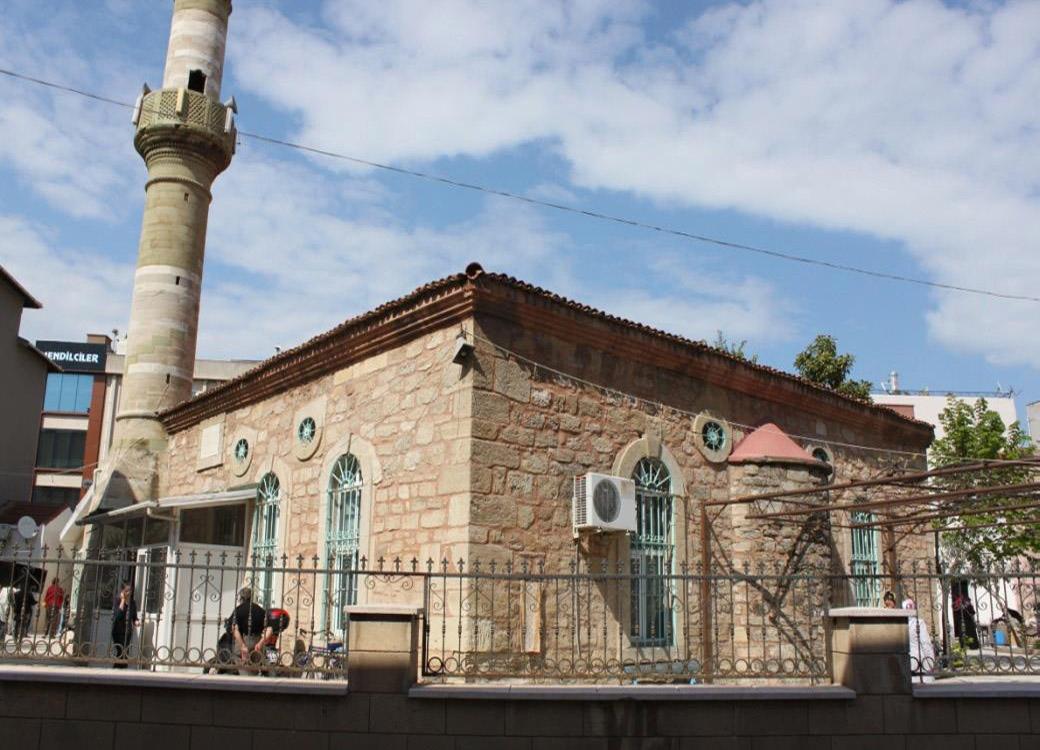
Tıflı Camii
Tıflı Camii is a historic place of worship located in the city center of Çanakkale, having survived from the final years of the Ottoman Empire to the present day. This charming structure reflects the historical fabric of the city and, unlike the grand and ornate imperial mosques, features a simpler and more elegant design that embodies the warm atmosphere of a local neighborhood culture. Over time, this mosque has witnessed wars and major historical events and is preserved as one of the most important elements of Çanakkale’s cultural heritage.
History and Meaning of the Name
Previously, a wooden mosque stood on the site of this historic structure. As the old mosque deteriorated and became unusable, it was replaced in 1891 by the current Tıflı Camii, constructed with durable materials under the order of Ottoman Sultan Abdülhamid II. The name “Tıflı” derives from the Tıflızadeler family, who lived in the region during that period and were held in high esteem. The term, meaning “childlike, pure and innocent” in archaic Turkish, harmonizes beautifully with the mosque’s unadorned, simple, and serene architecture.
Architectural Features and Construction Materials
Externally, Tıflı Camii is covered by a pitched wooden roof tiled with clay tiles, a common feature among Ottoman neighborhood mosques, rather than imposing domes. The walls were built using a combination of sturdy stone and brick. The interior space is nearly square in plan, and its large windows allow ample daylight to enter, creating a bright and spacious interior. The mosque’s single-minaret, with its balcony, rises gracefully toward the sky and is designed with a slender and elegant form that complements the overall structure.
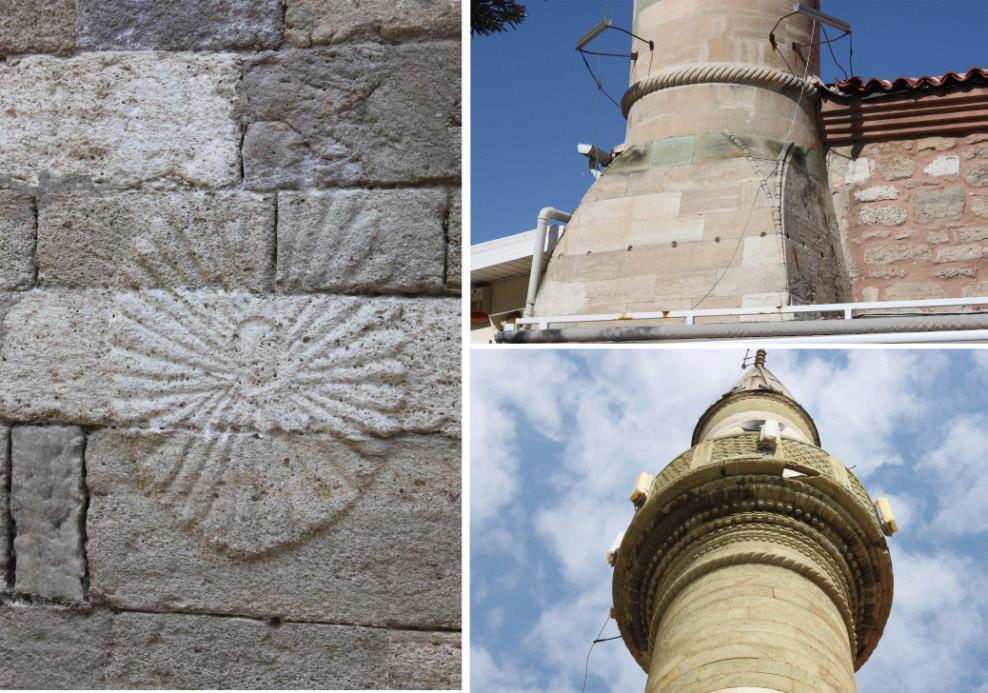
Tıflı Camii (Çanakkale Valiliği)
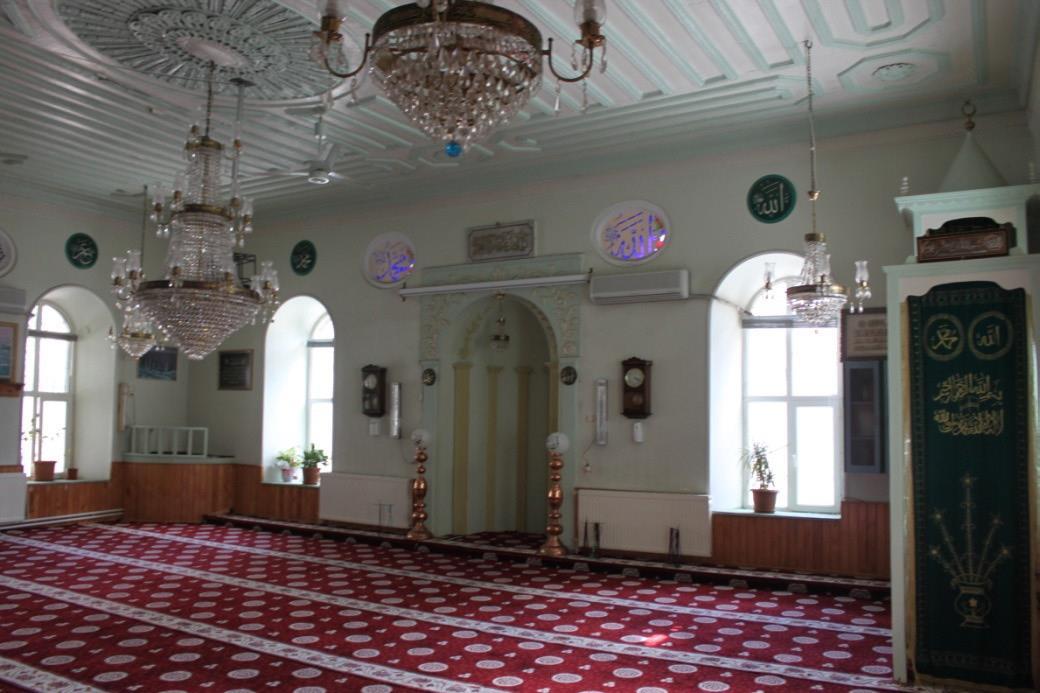
Tıflı Camii İçi (Çanakkale Valiliği)
Role in Ottoman Neighborhood Culture
In earlier times, mosques were not merely places for prayer but also served as community centers where residents gathered to converse and share important news. Since its construction, Tıflı Camii has functioned as a meeting point for local merchants and neighbors, fostering a warm Ottoman neighborhood culture characterized by mutual aid and social cohesion.
The Çanakkale Campaigns and Its Present Condition
Shortly after its construction in 1891, the mosque bore witness to one of the largest battles in world history: the 1915 Çanakkale Campaigns. During those extremely difficult days, when the city was subjected to heavy bombardment and many buildings were destroyed, this structure remained standing and became a symbol of hope for the people of Çanakkale. Like other historic mosques in Rize or Kahramanmaraş that withstood local hardships to survive to the present day, Tıflı Camii is today not only a place of worship but also a living open-air museum that tells the story of Çanakkale’s resilience.
A Journey Through Time
Built in 1891, 135 years ago, this modest structure endured the intense bombardments of the First World War and has remained intact until the present day.