Iznik Museum
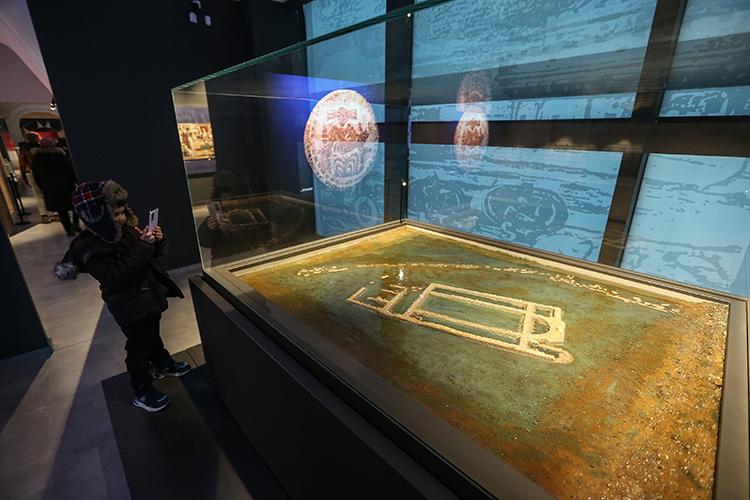
İznik Museum is a museum located in the district of İznik in Bursa, showcasing the region’s thousands of years of history. Housed within a historic Ottoman structure, the museum preserves and presents artifacts recovered from archaeological excavations in the surrounding area. This institution brings together traces of the region’s ancient civilizations, reflecting a broad chronological span from prehistoric times to the recent past.
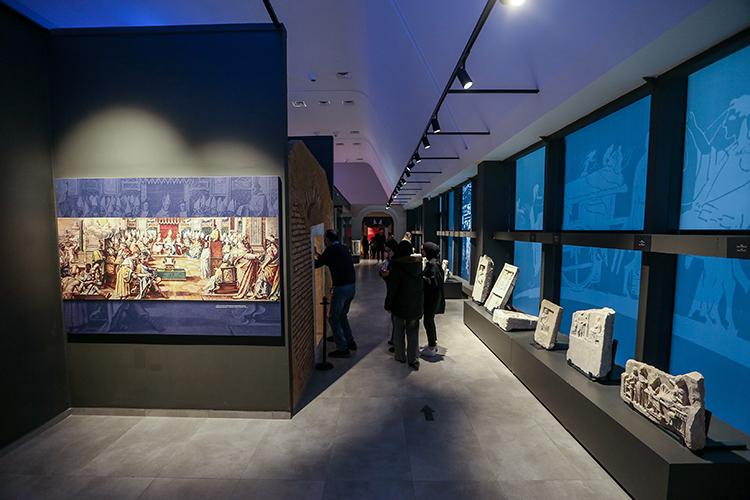
Interior of İznik Museum (AA)
The Museum Building and Its History
The museum operates within a historic imaret (soup kitchen) built in 1388 by Ottoman Sultan Murad I in memory of his mother, Nilüfer Hatun. Originally constructed to provide meals to the poor and travelers, this building is one of the earliest examples of early Ottoman architecture featuring a reverse “T” plan. Constructed with stone and brick materials arranged in a deliberate pattern, the structure was later used as a storage facility before undergoing various renovations to become the modern museum it is today.
Exhibited Artifacts and Historical Periods
The museum’s collection includes artifacts excavated from İznik and its surroundings, particularly from the Ilıpınar Höyüğü site and the ancient theater area. Exhibits displayed chronologically in vitrines span from the Neolithic period, dating back 8,500 years, through the Roman, Byzantine, and Ottoman eras. Among the most studied artifacts are stone tools used by ancient peoples, historical coins, glassware, marble sarcophagi, and the region’s renowned historical ceramics produced in İznik.
Cultural Significance of the Museum
İznik has been an important settlement center throughout history, serving as a capital for various civilizations including the Romans and Byzantines. The İznik Museum brings together tangible evidence of these diverse cultures’ daily life, art, and production methods under one roof. Thanks to the museum, the region’s underground archaeological wealth is preserved and historical knowledge from past eras is transmitted objectively from generation to generation.
A Journey Through Time
Six hundred and thirty-eight years ago, in 1388, this building was constructed as a soup kitchen to serve hot meals to the poor. Today, it has been transformed into a museum preserving thousands of years of historical artifacts.