Adrassus (Balabolu) - Mersin
Adrassus (Balabolu) is an ancient settlement located in the Mut district of Mersin, within the Mediterranean Region of Türkiye. The ancient city was built atop a hill, which today is known as Balabolu or Balapoğlu. This site was an important center of trade and human habitation in very ancient times.
Ancient cities are the remnants of old urban settlements left to us by history. Adrassus, much like a time machine, carries vital clues about how people lived and what they did thousands of years ago. Studying these ruins helps us understand the past.
Adrassus (Balabolu) (Kültür Portal)
TIME TRAVEL: THE EARLY YEARS OF ADRASSUS ⏳
Evidence of settlement at Adrassus dates back to the 2nd century CE, meaning people lived here approximately 1800 years ago. The city first emerged as a settlement during the Roman Empire and became an independent town due to its strategic importance.
Following the Roman Empire, the city came under the administration of the Byzantine Empire for a period. Its role as a home to different civilizations contributed to the enrichment of its culture and architecture. Later, in the 13th century, it passed under the protection of the Karamanids.
WHERE ARE THE TRACES OF ANCIENT LIFE? 🏛️
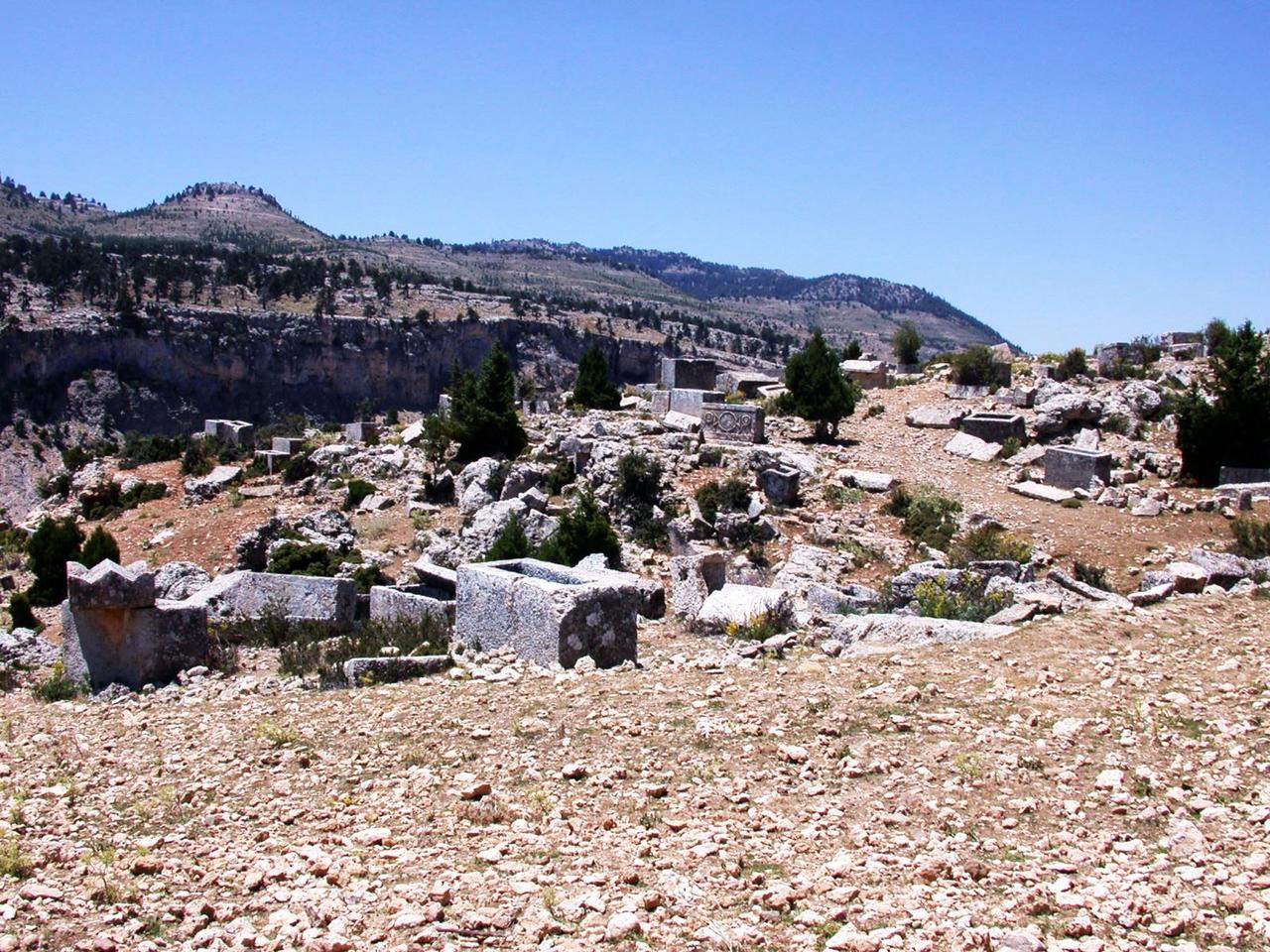
The ancient city was constructed atop a hill, making it easier to monitor the surrounding area and defend itself. Today, the foundations of an ancient church can be seen at the hill’s summit.
The cliffs surrounding the hill were carved by people into small and large chambers. Some of these carved rooms are plastered. The inhabitants shaped the natural rock to create columns and staircases connecting different levels. This demonstrates the skill of the people of that era in rock-cut architecture.
Adrassus (Balabolu) (Kültür Portal)
ROCK TOMBS AND THEIR SECRETS ⚰️
At the base of the hill lies an extensive necropolis, or burial ground, of the ancient city. These tombs contain stone sarcophagi, or rock-cut graves, where the inhabitants of that era were laid to rest.
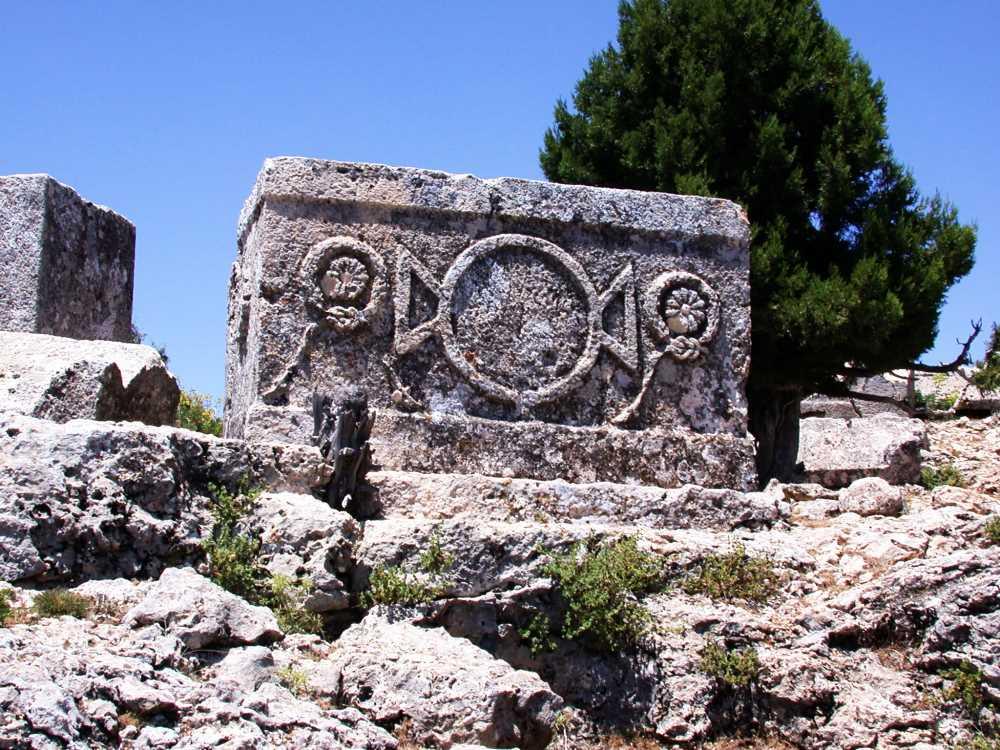
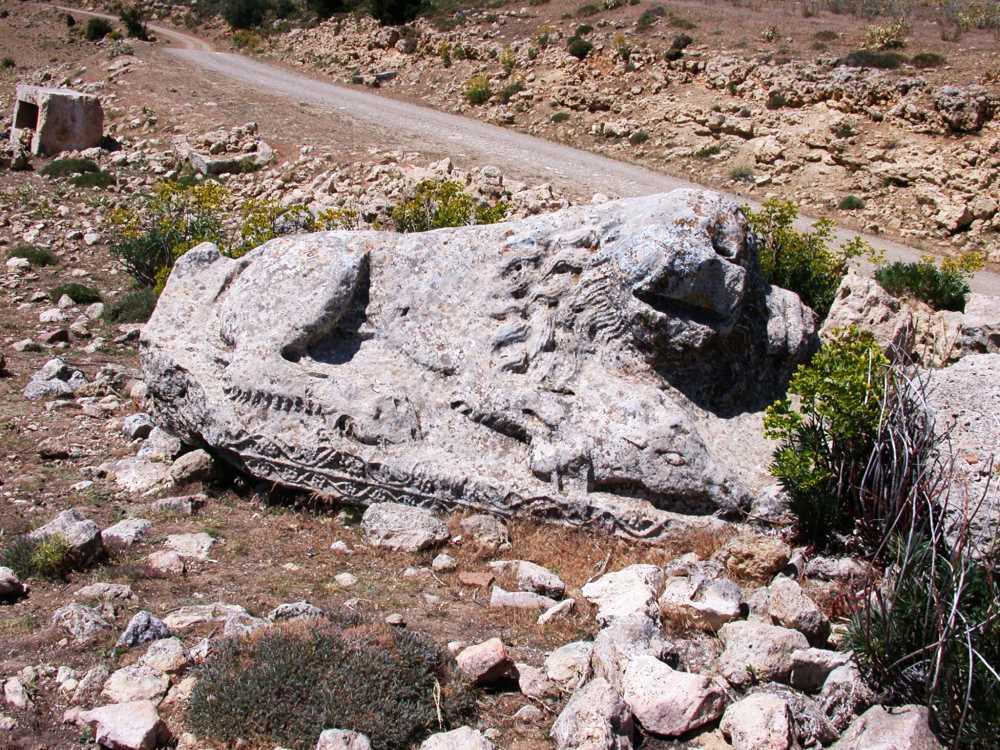
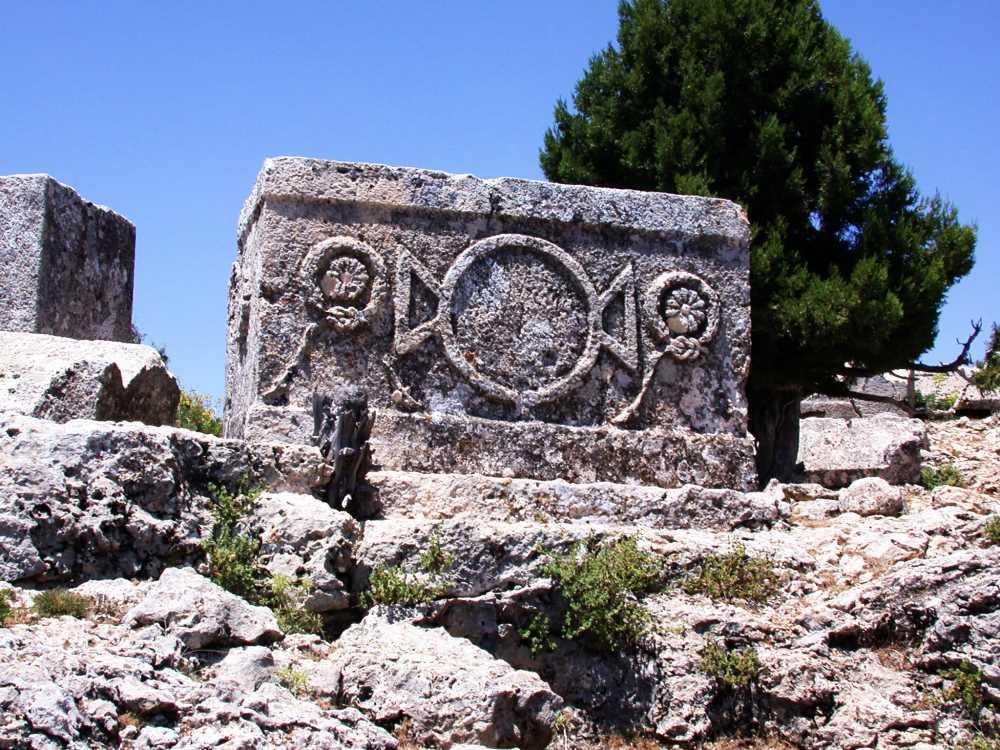
The sarcophagi feature various carvings and reliefs. The most common motifs include wreaths and rosettes or clover patterns enclosed within rings. Lion figures are frequently depicted on the lids of the sarcophagi, sometimes shown holding a bovine-type animal beneath their front paws. These decorations provide insight into the artistic sensibilities and beliefs of the period.
Adrassus (Balabolu) (Kültür Portal)
HOW WAS WATER SUPPLIED? 💧
At the summit of the hill, large cisterns used by the ancient inhabitants to store water can still be seen. Additionally, a water channel constructed with sandy-lime plaster has been observed within the site. These structures demonstrate how the city’s residents collected and utilized water, which was essential for daily life.