

What Is Cavitation?
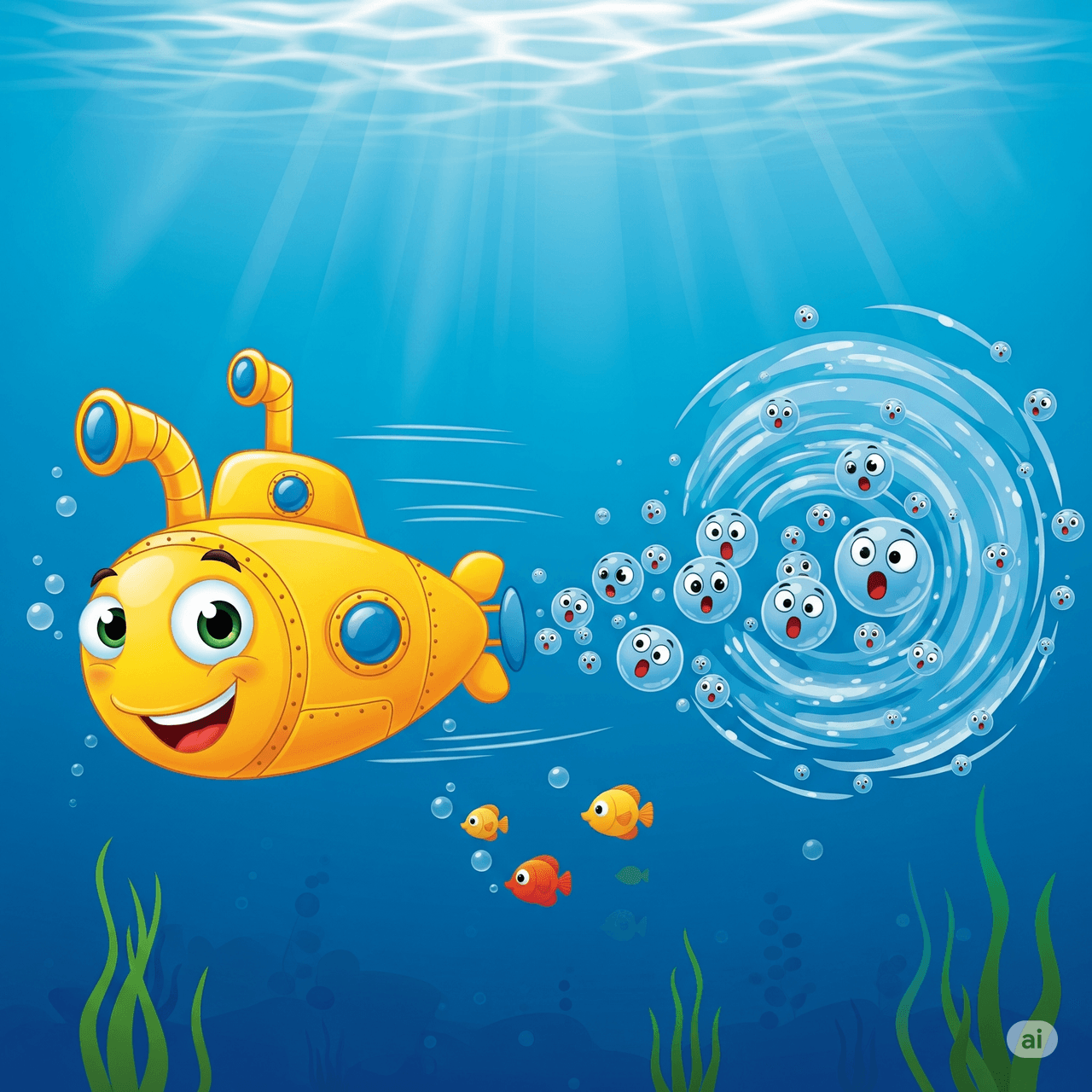
Cavitation is a natural phenomenon that occurs when small air bubbles form and collapse within liquids. This phenomenon is commonly observed in machines that rotate very rapidly in water, such as ship propellers. These bubbles, which are too small and fast to be seen with the naked eye, can generate significant effects when they form and vanish.

(Generated by Artificial Intelligence.)
How Does Cavitation Occur?
When a liquid moves very rapidly, pressure drops suddenly in certain regions. Under this low pressure, vapor bubbles form within the liquid, similar to air voids. When these bubbles later reach a region of higher pressure, they collapse abruptly. This collapse can produce sound, vibrations, and even forces capable of causing damage.
Where Is It Observed?
Cavitation is most frequently seen in the propellers of marine vessels, water jets, and certain types of machinery. Studying this phenomenon is crucial for designing ships that operate quietly, move faster, and have longer service lives. Scientists use modeling to understand and mitigate these effects.
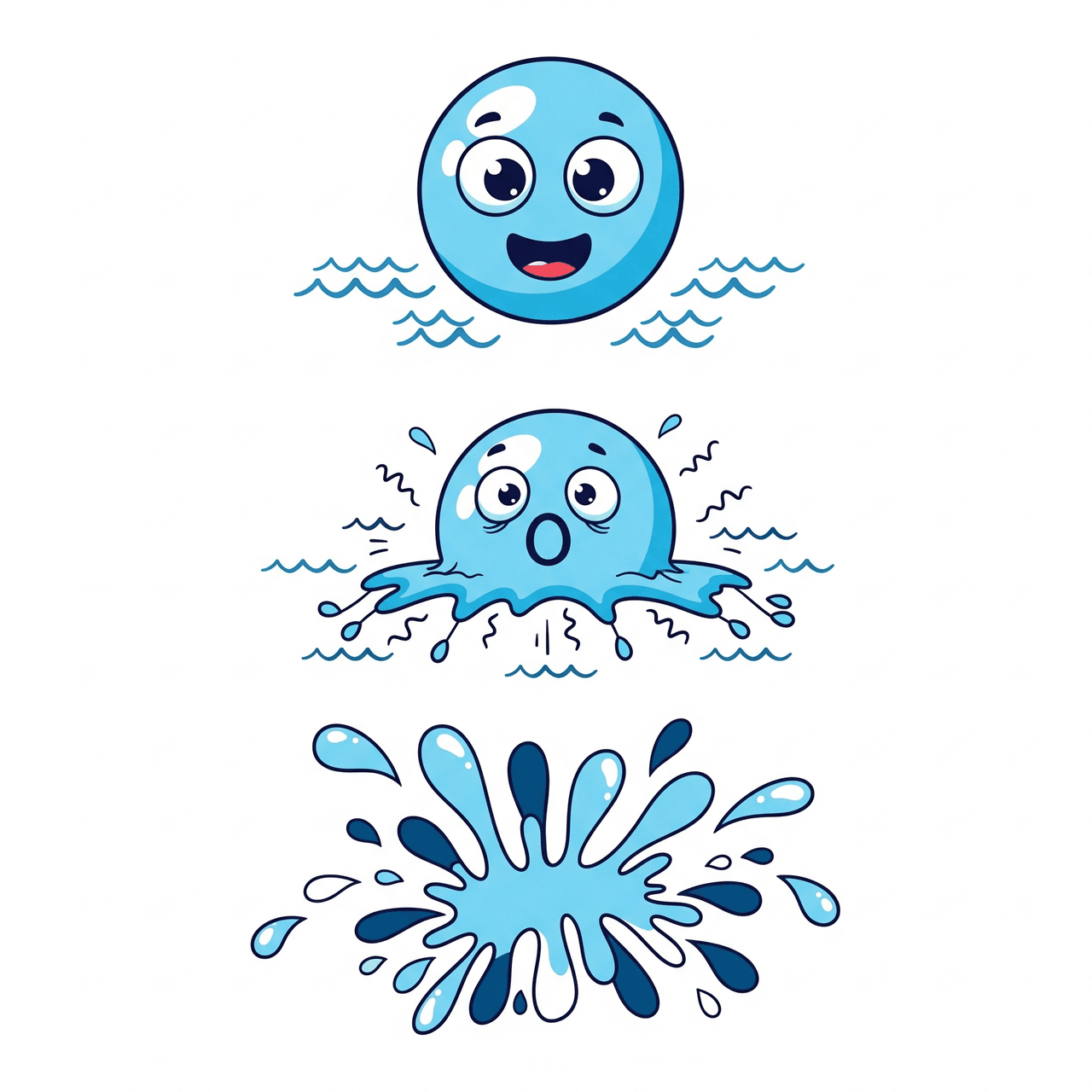
(Generated by Artificial Intelligence.)
What Are Scientists Doing?
Scientists use computers to study how cavitation forms and what consequences it produces through numerical models. For example, researchers investigate how collapsing bubbles damage surfaces, how much noise they generate, and what kinds of marks they leave on materials. This information is used to improve machine design.
Is There a Beneficial Use of Cavitation?
Yes! Cavitation is not only harmful but can also be beneficial. Scientists harness the power of cavitation to make certain surfaces more durable. This technique is called cavitation peening. The process strengthens materials by applying controlled micro-impacts to their surfaces.
Why Is It Important?
Understanding cavitation is essential for enhancing the safety of marine vessels and ensuring that machinery operates more quietly and with greater longevity. It also helps us comprehend powerful phenomena occurring both in nature and in technology.