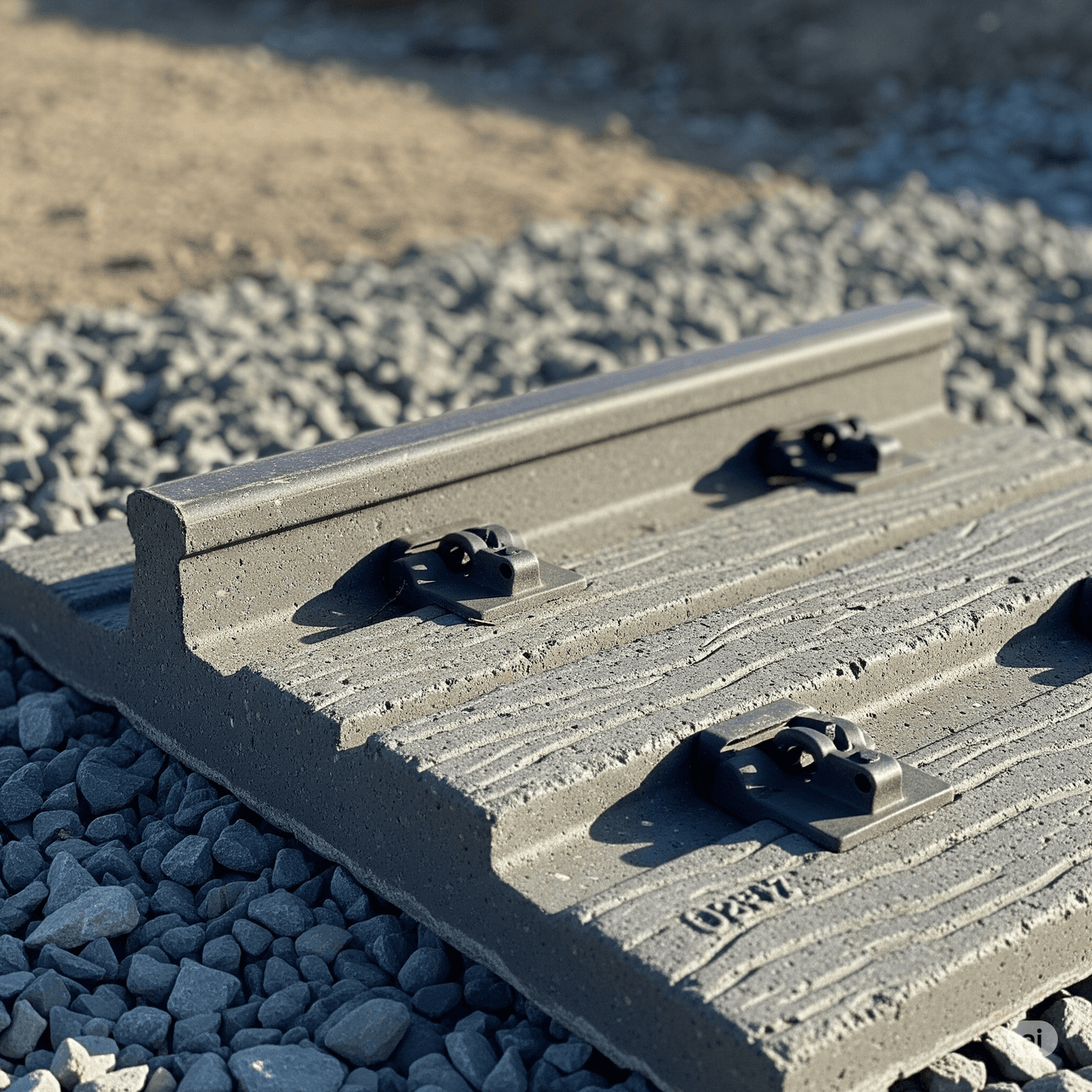


What is a Plastic Traverse?
A plastic sleeper is a single-piece component made of plastic, used beneath railway tracks to provide firm support to the rails. Typically manufactured from durable plastics such as polyethylene or polyurethane, these sleepers secure the rails in place and ensure the safe and stable movement of trains along the track. Compared to traditional concrete or wooden sleepers, they are lighter, making both transportation and installation easier. Additionally, they help maintain the correct gauge between rails, contributing to the smooth operation of trains.

(Generated by Artificial Intelligence.)
Why Are They Used?
Plastic sleepers offer several advantages. Firstly, their noise and vibration-dampening properties make train journeys quieter. They are also resistant to moisture, chemicals, and temperature fluctuations, making them ideal for challenging environments such as tunnels, bridges, and viaducts. Their lightweight structure enables faster installation and requires less maintenance. These features contribute to the safety and longevity of rail systems.
Advantages and Disadvantages
Advantages
- Lightweight and easy to transport
- Durable and long-lasting
- Reduces noise and vibration
- Low maintenance costs and easy installation
Disadvantages
- May offer less stability compared to concrete sleepers
- Durability may be limited under heavy loads or high speeds
- Sensitivity to heat and impact can restrict their application areas
- Slower adoption due to costly production processes
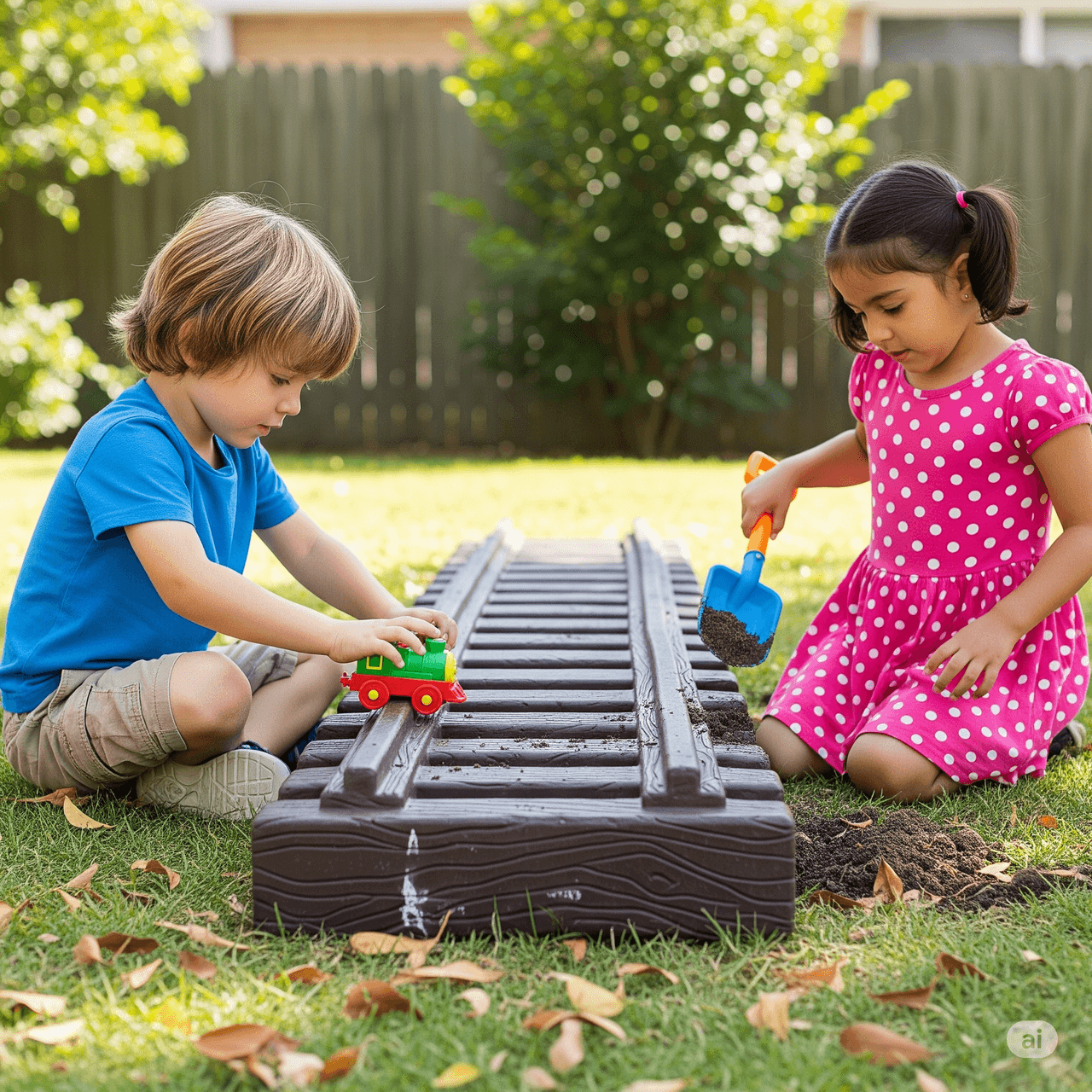
(Generated by Artificial Intelligence.)
Role and Strategy in Rail Systems
Variety in sleeper types is important in rail systems. While concrete sleepers are commonly used, plastic sleepers are preferred in specific situations. In the strategic plans of TCDD, the goal is to develop railway networks with sustainable, long-lasting, and low-maintenance systems. Plastic sleepers can be considered a novel and environmentally friendly alternative to achieve these objectives, offering solutions that benefit both the economy and the environment.