KURE Kids Header Line
badge icon

This content was originally written in Turkish for children and is automatically translated into English using artificial intelligence.

article-image

What is a Piano?

Last Updated: 12/01/2025

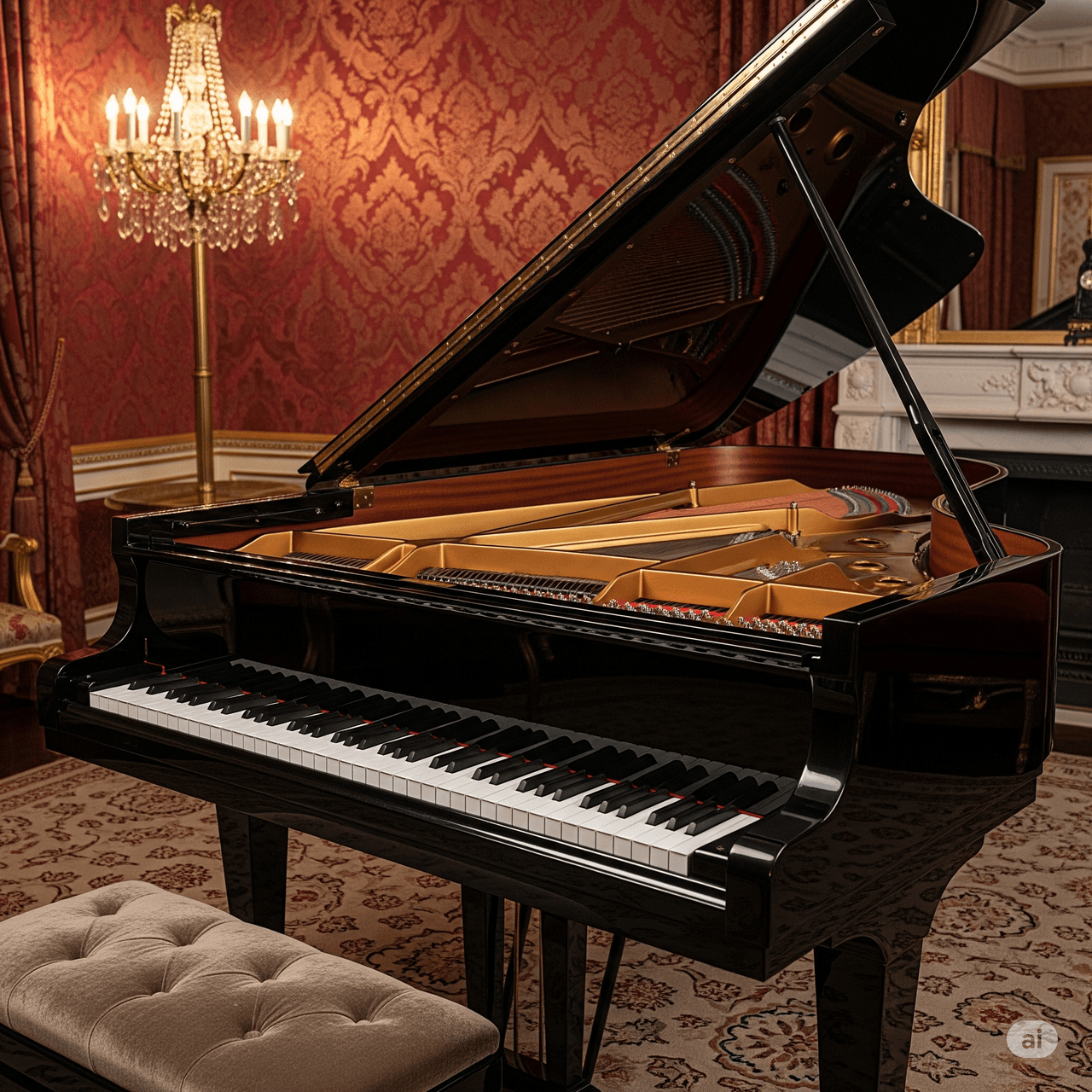
The piano is a large musical instrument that produces music by pressing keys. Beneath each key are small hammers that strike strings when the keys are pressed, generating sound. The piano’s sound can be both soft and powerful, which is why it is widely used in both classical and modern music. Today, digital and electronic versions of the piano also exist.

(Generated by Artificial Intelligence.)

Structure of the Piano

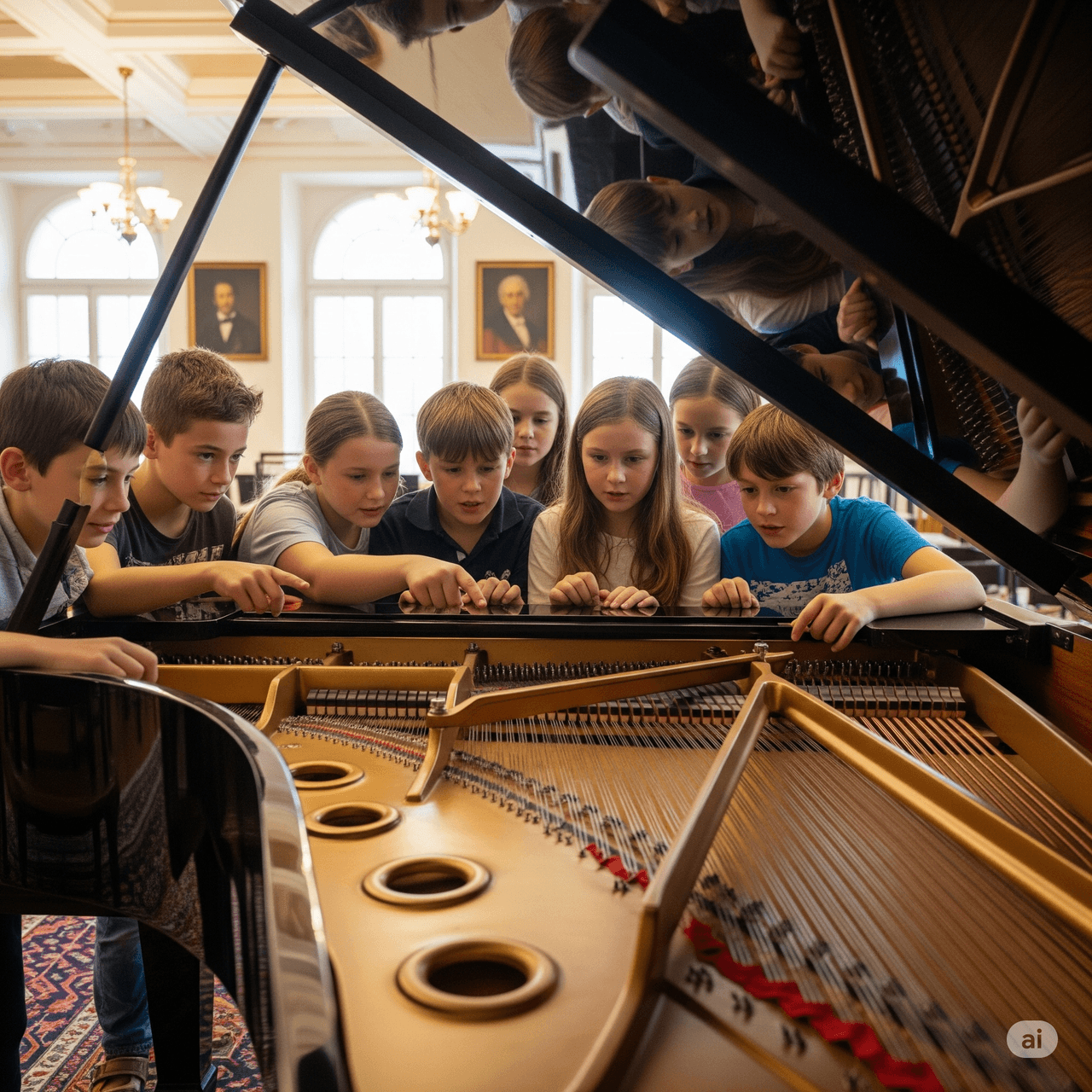
The piano is a keyboard instrument with 88 keys—52 white and 36 black. When a key is pressed, a hammer inside strikes the strings. The vibration of the strings is amplified by a soundboard, allowing us to hear the music. Pedals extend the duration of the sound.

How Is the Piano Played?

The musician’s fingers touch the keys, causing the hammers to strike the strings and produce sound. By pressing the pedals, different effects can be added to the music, allowing notes to sustain, elongate, or be softened.

(Generated by Artificial Intelligence.)

History of the Piano

The piano was invented in Italy in the early 1700s by Bartolomeo Cristofori. Unlike other instruments of the time, his piano could produce both soft and loud sounds. Over time, the piano evolved and became one of the most widely used instruments today.

Uses of the Piano

The piano is used in many genres, from classical to pop music. It can be played as a solo instrument or alongside other instruments. It is commonly found in schools, concert halls, homes, and music studios. The piano is one of the foundational instruments in music education.

The Piano and Turkish Music

The piano is an innovative instrument in traditional Turkish music. Although its timbre differs from that of traditional instruments, this diversity enriches our folk music. The use of the piano in specific compositions adds a unique beauty to the music.

Piano Education

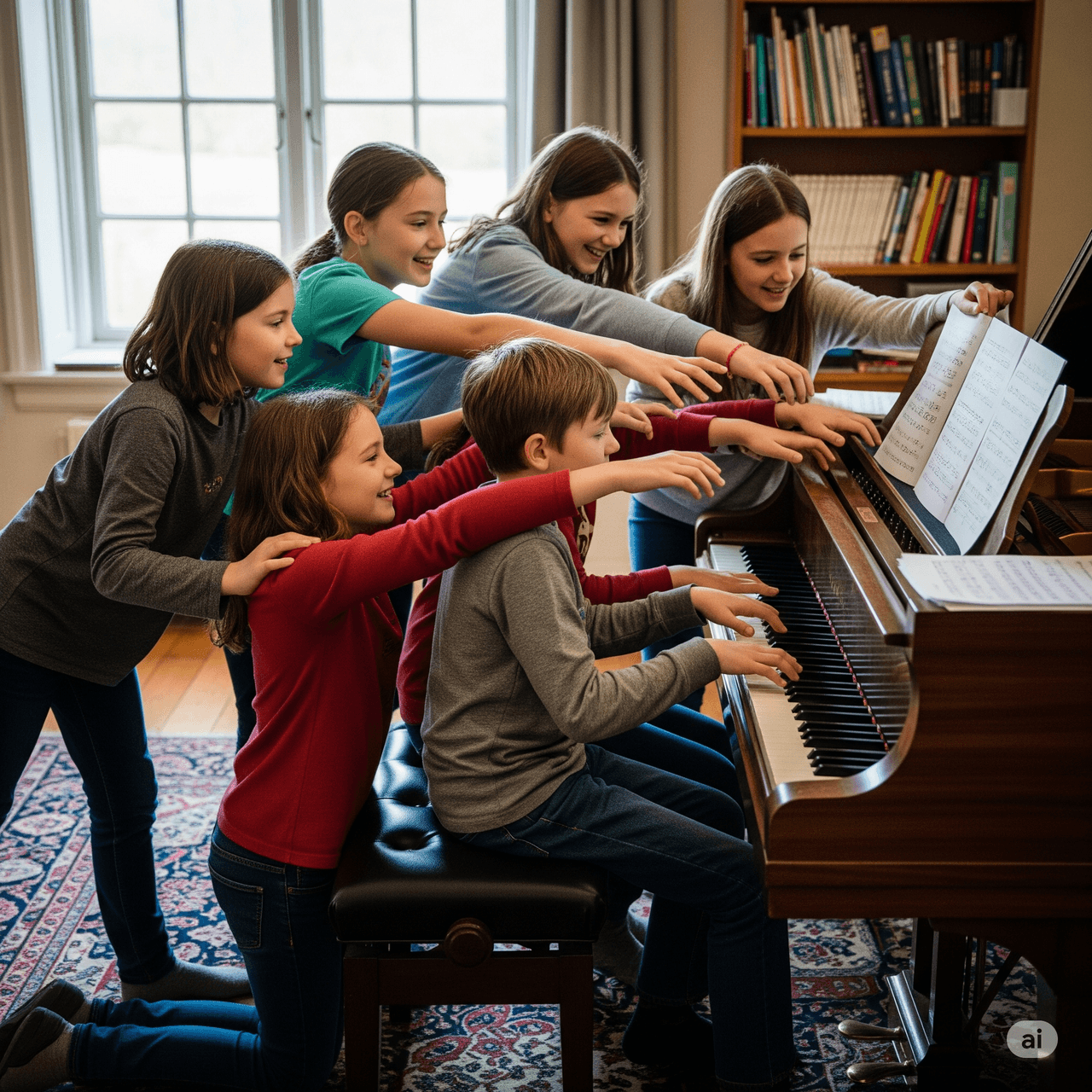
Children learning the piano develop fundamental musical skills such as reading notation, rhythm, and coordination. Education enhances children’s hand-eye coordination, concentration, and creativity. With regular lessons, children quickly begin playing sweet melodies.
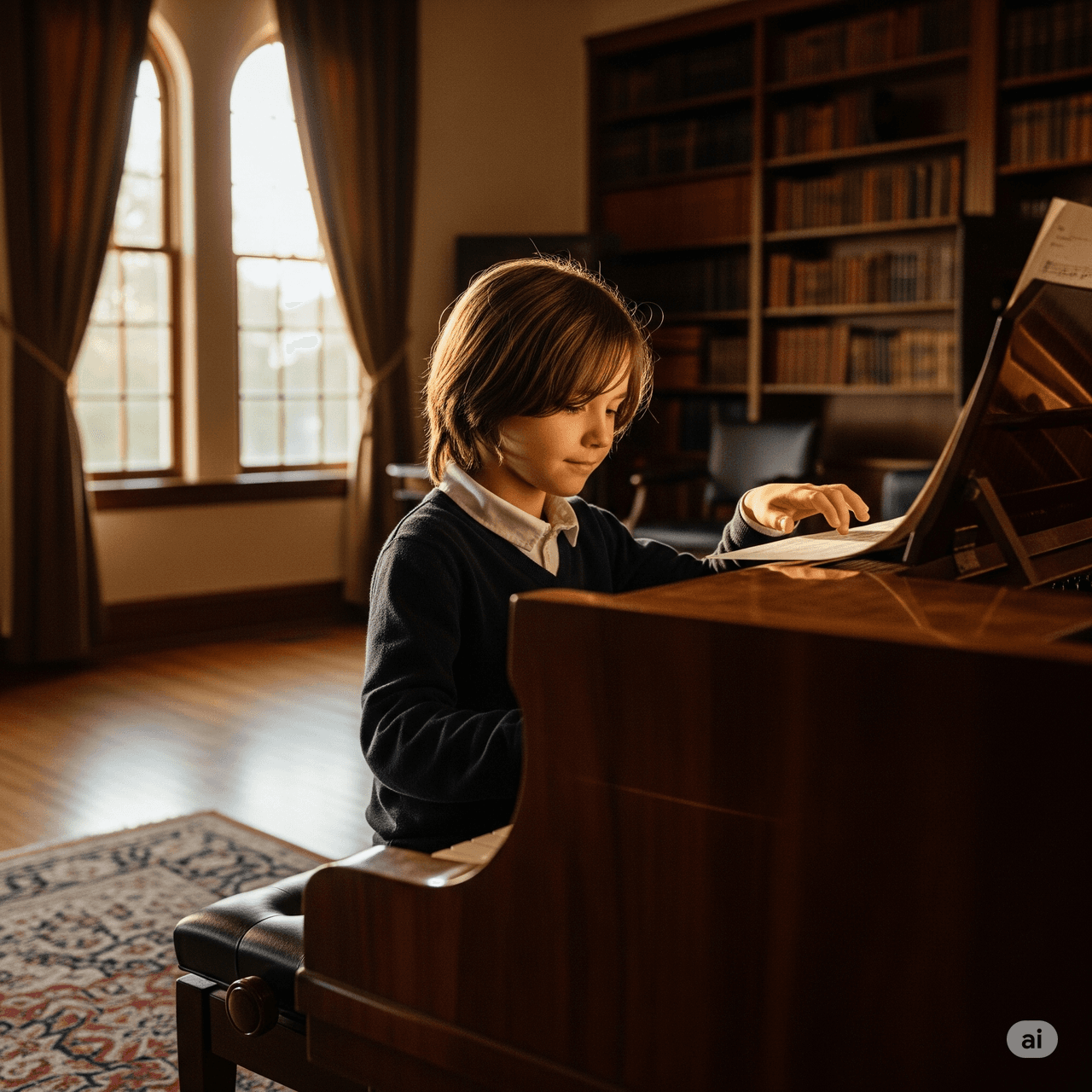

(Generated by Artificial Intelligence.)

Why Is Playing the Piano Wonderful?

The piano combines sound and emotion. While playing, both the mind and body work together. Moving the fingers, listening to the music, and maintaining rhythm all occur simultaneously. This makes playing the piano both an enjoyable and rewarding experience.

Don't Forget to Look at These!
Science and Technology
cat img
Natural Sciences
cat img
History and Culture
cat img
image
Most Read
Thomas Edison
arrow
image
Last Added
Pardus
arrow
ilham-notu-bg
INSPIRATION NOTE FOR CURIOUS KIDS!

When you touch the keys with your fingers, you can share the music in your heart with the world!

KURE Kids Kure Card Pin Icon
KURE Kids Kure Card Book Icon
1000011992.jpg

What is a Piano?

What Is It Used for?

It develops a sense of rhythm, increases concentration, and makes you happy.

Where Is It Used?

In schools, concerts, at home, and in music groups.

How Is Sound Produced?

When the keys are pressed, tiny hammers inside strike the strings.

How Many Keys does It have?

Exactly 88 keys!

What Type of Instrument Is It?

A musical instrument with keys.

Who Wrote?
Kids Writing
AuthorRüya DumluDecember 1, 2025

What Did We Talk About?

bottom-bg-effect-bottom
bottom-bg-effect-top

The piano is a musical instrument played by pressing keys. Its strings produce sound when struck by hammers. It has 88 keys and is used in both classical and modern music. Playing the piano is both enjoyable and educational; it helps children develop rhythm, attention, and creativity.

Bibliographies

Kültek, Buğra. "PİYANO EĞİTİMİ TARİHİ." Avys.omu.edu.tr. Accessed August 13, 2025. https://avys.omu.edu.tr/storage/app/public/faciksoz/140836/PI%CC%87YANO%20EG%CC%86I%CC%87TI%CC%87MI%CC%87%20TARI%CC%87HI%CC%87%20.pdf

Ministry of National Education of the Republic of Türkiye. Sound Production Applications. Common Module for Musical Instrument Making. Ankara, 2013. Accessed August 13, 2025. https://megep.meb.gov.tr/mte_program_modul/moduller_pdf/Ses%20Olu%C5%9Fum%20Uygulamalar%C4%B1.pdf

Sökmen, Kamil Tahsin. “GELENEKSEL TÜRK MÜZİĞİNDE PİYANO KULLANIMI.” AKÜ AMADER (Afyon Kocatepe Üniversitesi Akademik Müzik Araştırmaları Dergisi) 8, no. 16 (June 2022): 271–286. Accessed August 13, 2025. https://dergipark.org.tr/tr/download/article-file/2404460

T.C. Millî Eğitim Bakanlığı. Müzik Aletleri Temel Kavramları. Ankara: Millî Eğitim Bakanlığı, 2016. Accessed August 13, 2025. https://megep.meb.gov.tr/mte_program_modul/moduller_pdf/M%C3%BCzik%20Aletleri%20Temel%20Kavramlar%C4%B1.pdf

T.C. Ministry of National Education. Piano. Music Instruments Production Field. Ankara, 2013. Accessed August 13, 2025. https://ogmmateryal.eba.gov.tr/kitap/guzel-sanatlar-lisesi/muzik/9/piyano/piyano.pdf

Şahin, Samet. “Piyano.” KÜRE Ansiklopedi, July 7, 2025. Accessed August 13, 2025. https://kureansiklopedi.com/tr/detay/piyano-7fd0e.

ilham-notu-bg
ilham-notu-bg
ilham-notu-bg
HEYY!
Did You Know?
These?
Lamb
Lamb
Ask to Küre