



Neşet Efendi Mansion
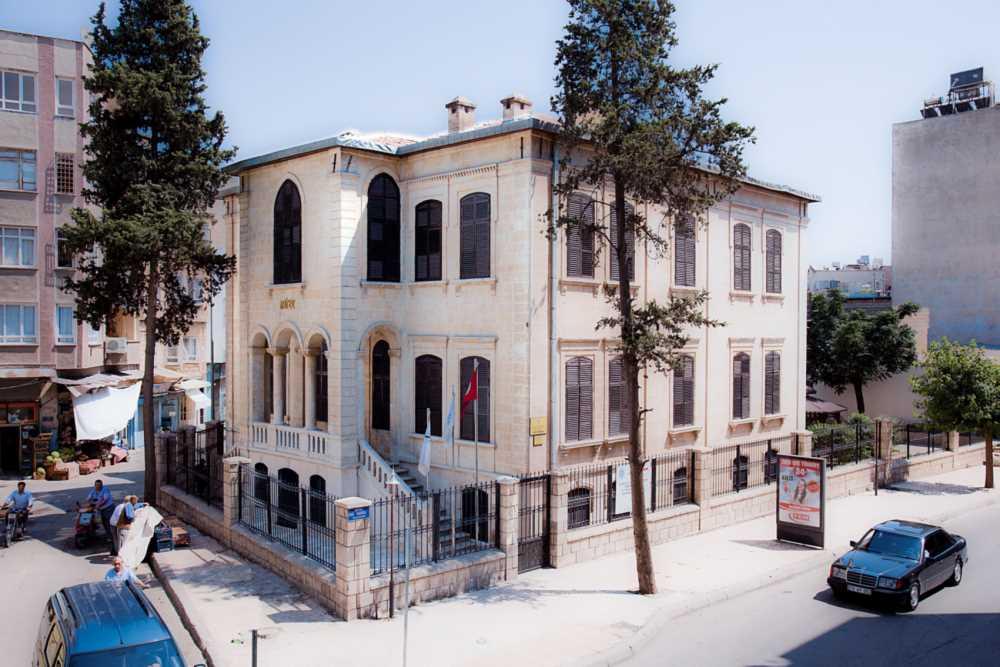
Neşet Efendi Konağı is an old and large residence located in the city of Kilis, Türkiye. This building is an important example of traditional Kilis residential architecture. Mansions like this one help us understand the lifestyle of the period, as they were places where large families lived together and distinguished guests were hosted.
The rooms, salons, and spacious courtyard (inner garden) inside the mansion tell us how people lived in earlier times. Let us explore this historic structure in more detail.
🕰️ Time Travel: When Was the Mansion Built?
Construction of Neşet Efendi Konağı began in 1925 and was completed in 1927. Thus, this mansion was built approximately 100 years ago.
The owner of the mansion was a prominent local figure named Neşet Efendi (Topaloğlu). Neşet Efendi commissioned the design of the mansion inspired by the home of a close friend in Aleppo (a city in Syria). The master builder responsible for constructing the mansion was Hacı Ahmet Usta from Aleppo, known in the region as "Mimar'us Sultan" (The Sultan’s Architect). This highlights the exceptional quality of the stonework and craftsmanship used in the building.
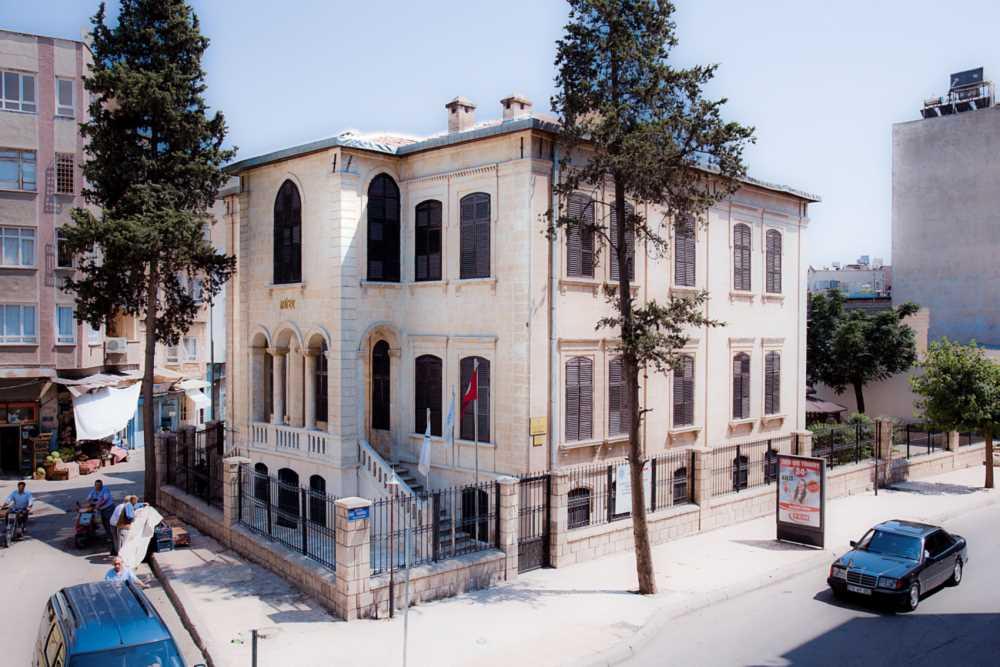
Neşet Efendi Konağı (Culture Portal)
🏘️ What Are the Architectural Features of the Mansion?
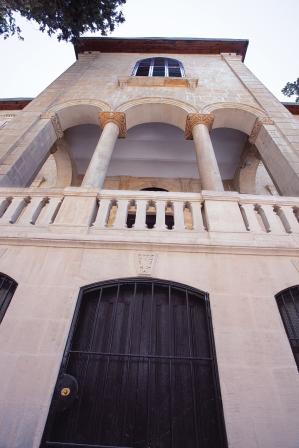
Neşet Efendi Konağı consists of a basement level beneath the ground floor and two main upper floors. During construction, specially cut limestone stones from the Kesmelik district of Kilis were used. These stones ensured the building was both structurally sound and harmonious with its surroundings.
The first floor contains six rooms, a salon, a kitchen, and a bathroom. The second floor comprises seven rooms, a kitchen, and additional private spaces. Colorful Italian and Gaziantep marbles were used in the large salon and some rooms, adding aesthetic value to the interior design.
🌳 Garden and Usage Areas
The mansion had a large garden featuring flowers brought from the city of Mersin and rare pine trees. A special enclosure was even built in one part of the garden for peacocks! Additionally, structures such as a garage for cars and stables for animals were present on the property.
Inside the building, there were two water wells and a cistern (large water reservoir) for collecting rainwater. This demonstrates how carefully water was managed during that period. The mansion served as the family residence of Neşet Efendi until his death, particularly bringing together all family members during the summer months.
🤝 Historical Events Witnessed by the Mansion
This mansion was more than just a residence—it also hosted significant historical events. Especially during the 1930s and 1940s, it served as a meeting point for governors from Türkiye and Syria to conduct important discussions along the border. This illustrates the mansion’s considerable importance to the city in which it is located.
In later years, this historic structure was restored and opened to the public in 2012 as the Kilis Ethnography Museum. An ethnography museum displays artifacts, clothing, and lifestyles used by a region’s past inhabitants.