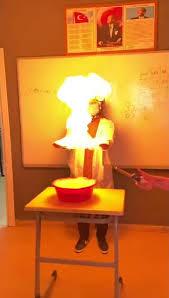


Museum Week
Museums, living witnesses to the history of humanity, art, and science, are educational institutions that preserve the cultural memory of societies and transmit it to future generations. The annual event celebrated worldwide and in Türkiye, "Museums Week", aims to highlight the role of these institutions in society and raise awareness about the protection of cultural heritage.
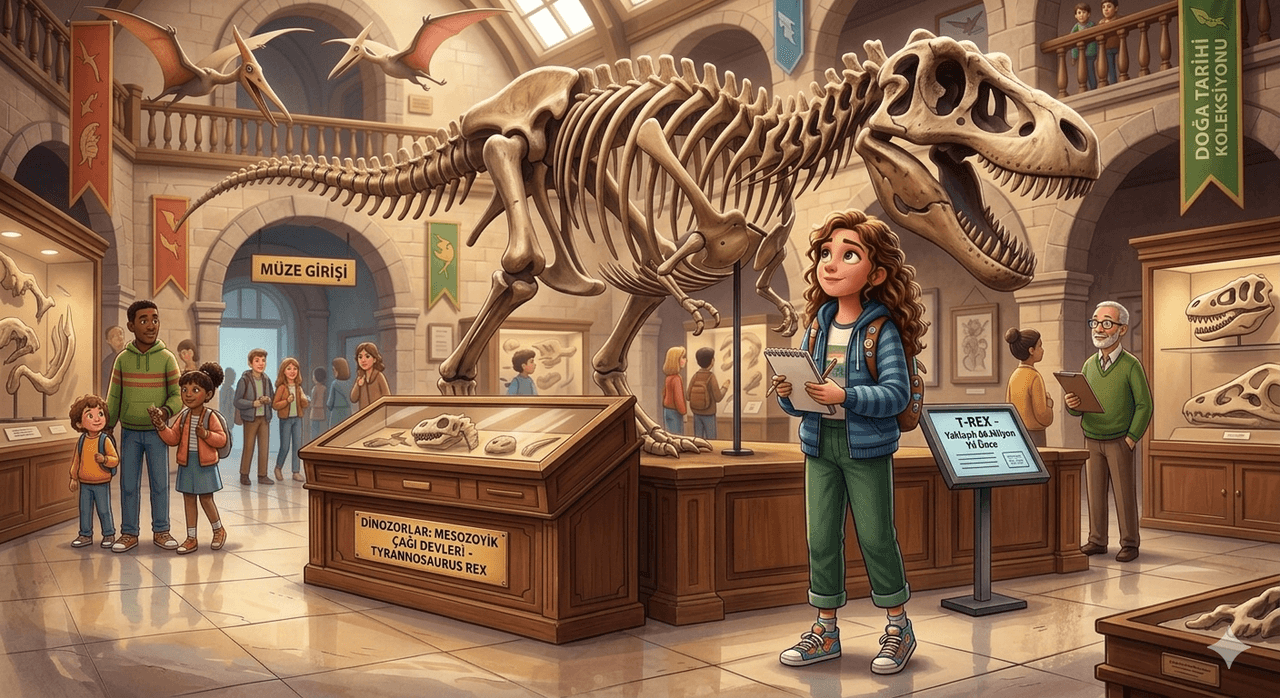
Generated by Artificial Intelligence.
History and Significance of the Week
Globally, May 18 is recognized as "International Museums Day" by the International Council of Museums (ICOM). In Türkiye, these activities have been celebrated since 1982 under the "May 18–24" period as part of the Museums Week Celebration Guidelines. ICOM designates a different theme each year to support cultural change and international cooperation. For example, the 2021 theme was announced as "The Future of Museums: Recovery and Reimagining."
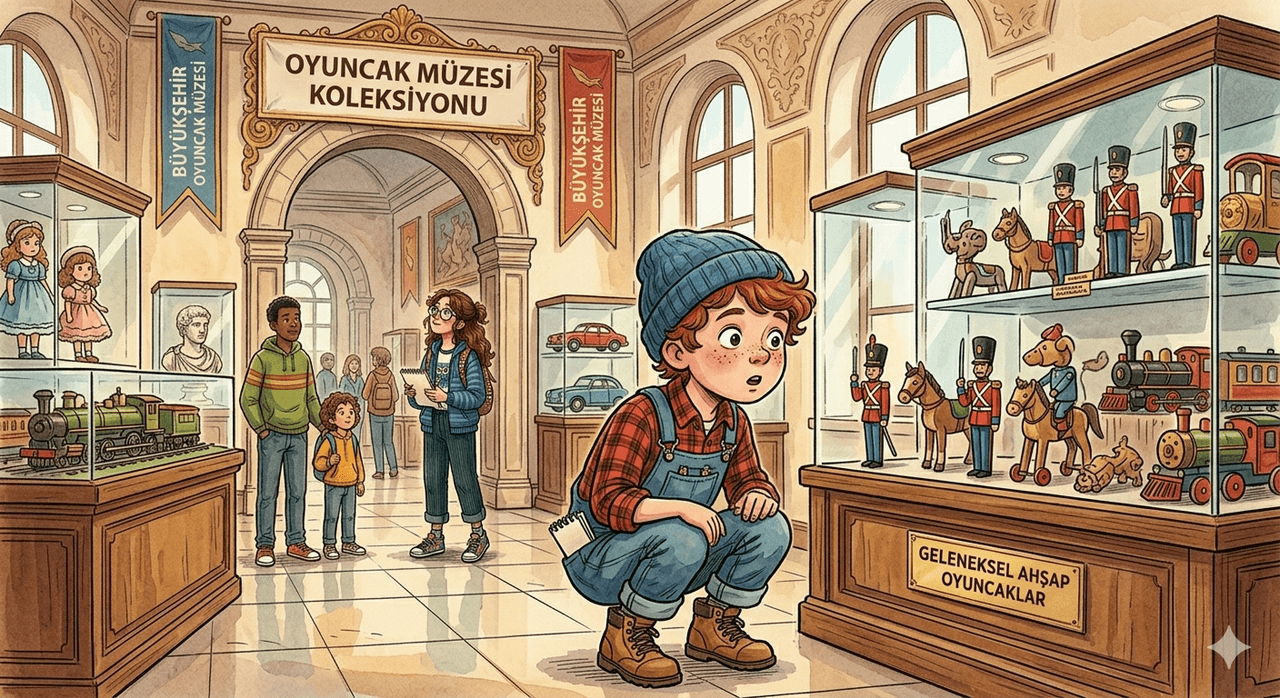
Generated by Artificial Intelligence.
The Development of Museology in Türkiye
Museological activities in our country date back to the mid-19th century:
- First Establishment: In 1846, the first museum was established by Ahmed Fethi Pasha in the "Aya İrini Kilisesi" in Istanbul.
- Important Institutions: Osman Hamdi Bey founded the "Istanbul Archaeology Museums", while Halit Eldem Bey opened the Museum of Turkish and Islamic Arts.
- Republican Era: In 1924, the Topkapı Sarayı Müzesi opened, followed by the Ethnography Museum in 1928 and the Ayasofya Museum in 1934, all becoming institutions of global significance.
- Current Status: Today, there are 361 museums under the Ministry of Culture and Tourism across Türkiye. (May 2026)
Museums Week Activities and Practices
Various arrangements are made during the week to increase public access to museums:
- Operating Hours and Discounts: Many museums under the Ministry extend their closing hours to 9:00 PM for this week. Additionally, some specialized museums such as the Ephesus Experience Museum and the Ayasofya History and Experience Museum offer a 50% discount to domestic visitors.
- Educational Activities: Schools educate students on the importance of museums; competitions in composition, drawing, and cartoon are organized. Exhibitions and guided tours for the public are arranged in village schools.
- Museum Card: Citizens can explore and visit hundreds of museums under the Ministry using the Museum Card.
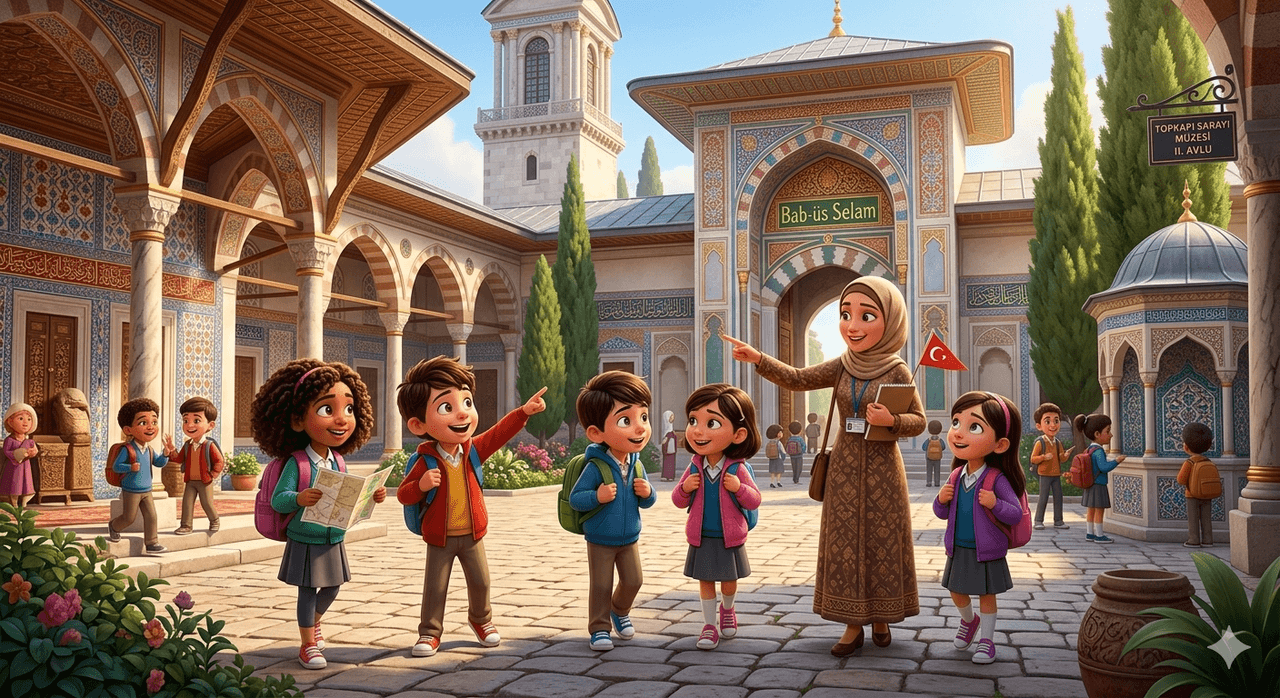
Generated by Artificial Intelligence.
Considerations When Visiting Museums
To ensure productive visits, especially with children, the following preparations are recommended:
- Preparation: Choose a museum suitable for the child’s age and interests, and provide information about the exhibits and museum rules before the visit.
- Breaks: Plan for rest periods during the visit to avoid fatigue or hunger, and engage in conversation about the exhibited items during short breaks.
- Protecting Cultural Heritage: Preventing the illegal export of natural and cultural artifacts, reporting unauthorized excavations to authorities, and surrendering discovered historical artifacts to museums are national duties of every citizen.