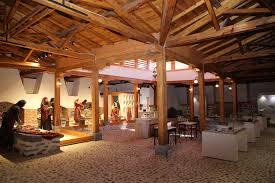




Historical Laundry House Museum
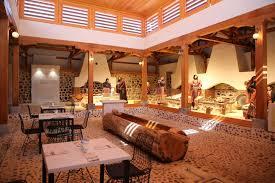
Çankırı The Historical Laundry House Museum was a large building where people in the past washed their clothes together. This was not merely a place for laundering garments; it also served as a gathering point where neighbors met, chatted, and supported one another. Today, it has become an important museum that showcases life from that era.
In some regions of Anatolia, such communal laundry areas were also known as yunak. In times when washing machines did not exist, this museum reveals how people carried out their cleaning tasks through solidarity. It demonstrates how hardworking and social people were in the past.
Çankırı Historical Laundry House Museum (Culture Portal)
When Was the Laundry House Built?
This historical building was constructed at the end of the 1800s, approximately 140 years ago. It was erected during the period of Sultan Abdülhamid II when the country was under its leadership.
At the time of its construction, the building was an essential communal service facility used by everyone in the neighborhood. Women came here to wash their clothes because they lacked access to water and suitable spaces in their own homes.
Çankırı Historical Laundry House Museum (Culture Portal)
How Did It Become a Museum?
With the advancement of technology, washing machines entered households, and the laundry house gradually fell out of use. Over time, this historical building began to deteriorate.
The Çankırı Municipality restored the building faithfully to its original state to preserve this important cultural heritage. After the restoration works were completed, it was opened to the public as a museum in 2016.
What Was Life Like in the Laundry House?
How Were Clothes Washed?
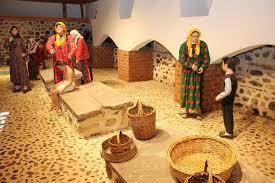
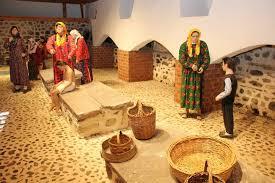
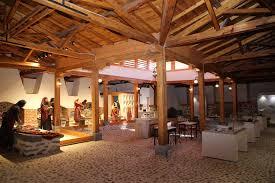
Inside the laundry house, there were large ovens and special washing stones. Women first lit fires beneath the ovens to heat water in large cauldrons. Water was a precious resource; it was drawn from wells, collected from rainwater, and sometimes obtained by melting snow.
Using the heated water and natural soaps, clothes were scrubbed by hand on smooth ıldızım stones. These stones were specifically selected for their effectiveness in cleaning garments.
Çankırı Historical Laundry House Museum (Culture Portal)
How Did a Day Pass?
To secure a good spot for washing, women sometimes prepared the night before. They would arrive early in the morning with their food and spend the entire day working there.
This routine provided them not only with the opportunity to clean their clothes but also to converse, exchange news, and assist one another. The beeswax statues displayed in the museum illustrate the hardships and strong social bonds of those days.