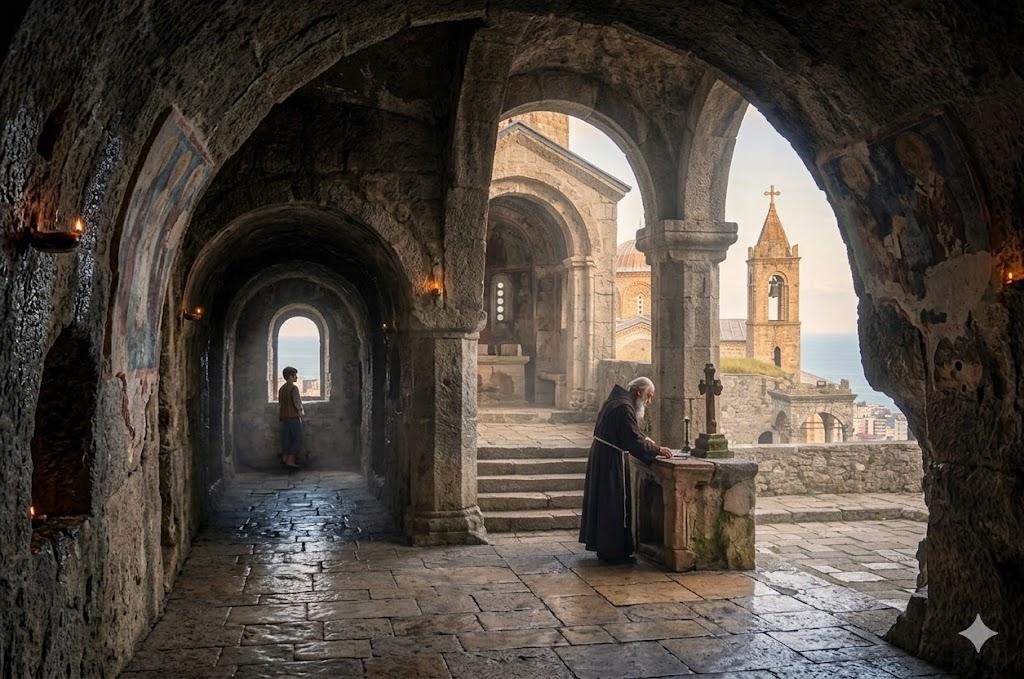


Convent of the Girls
Trabzon’s mysterious fortress, surrounded by high walls and overlooking the city and sea from a steep hilltop—imagine this. This is the Kızlar Manastırı, a place that holds hundreds of years of stories. Located at the heart of the city yet remarkably serene, it serves as both a museum and a meeting point for art.
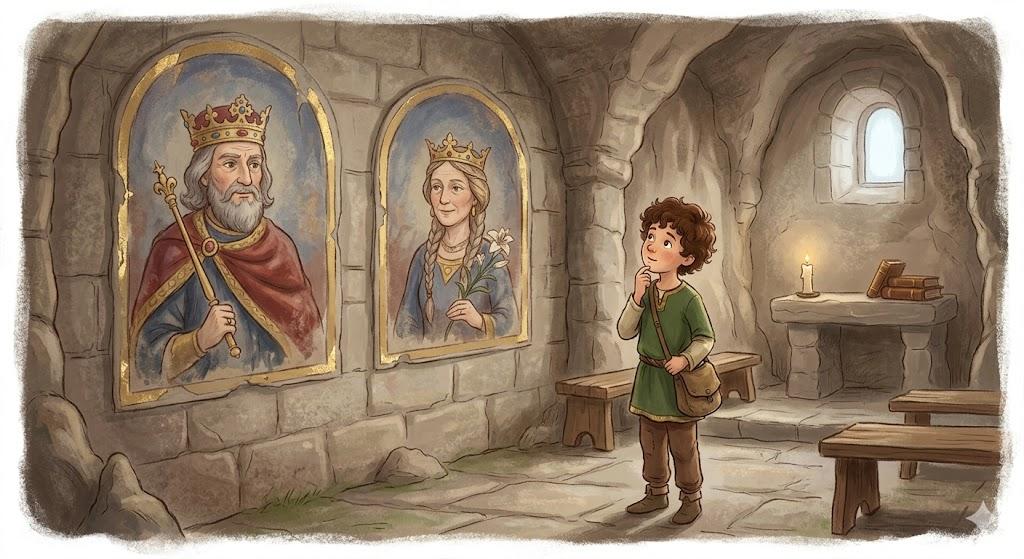
Kızlar Manastırı (Generated by Artificial Intelligence)
Where Is Kızlar Manastırı?
This historic structure is located on the slopes of Trabzon’s famous Boztepe.
The monastery offers a spectacular view as it faces the city directly from above.
Surrounded by high protective walls, it resembles a castle when viewed from the outside.
This large complex, built on two terraces, carries the traces of the past into the present.
What Is Inside?
One of the most intriguing parts of the monastery is the Rock Church, carved directly into the cliffs.
Inside this church, there is a water source known as the “holy spring” and ancient wall paintings depicting portraits.
There are also small cells where the former inhabitants once lived, as well as a chapel.
How Did It Get From the Past to the Present?
The foundations of this monastery were laid many centuries ago, in the 14th century during the reign of King Alexios III.
Over the centuries it was repaired several times and took its final form in the 19th century. It was meticulously restored in 2021 and has since reopened its doors to all visitors.
Center for Art and Entertainment
Today, Kızlar Manastırı is not only a historical site but also a hub for lively cultural events.
Theater performances are held here, outstanding paintings are displayed in art galleries, and concerts take place regularly.
Its acoustics, the way sound reverberates, are so exquisite that a theater performance viewed here evokes entirely unique emotions.
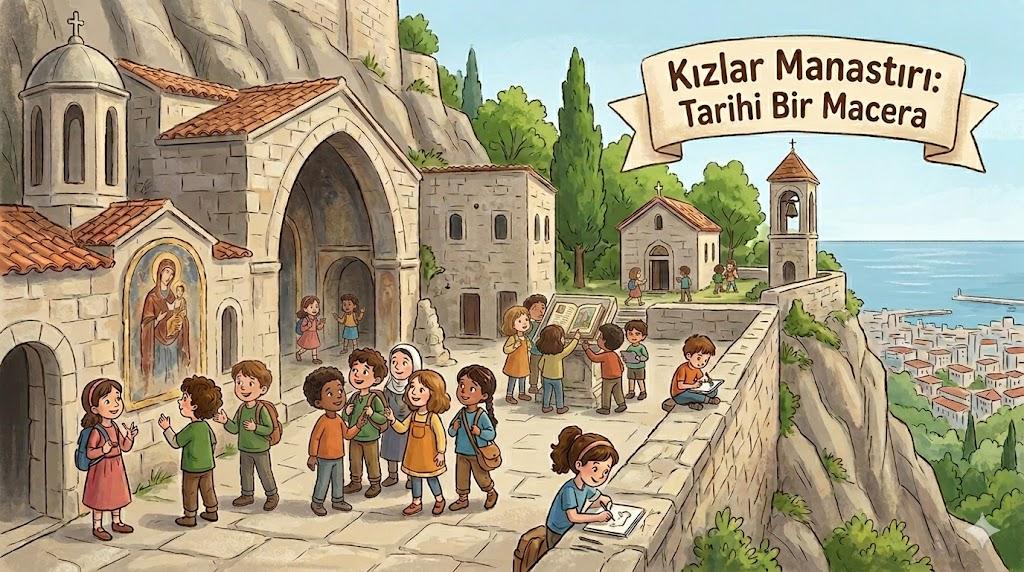
Kızlar Manastırı (Generated by Artificial Intelligence)
A Journey Through Time
Let us travel back to the 1300s, when Kızlar Manastırı was first built. At that time, there was no modern technology; people constructed these massive structures by hand, stacking stones one upon another.
The queens Theodora and Eirene, whose portraits you see on the walls, were real people who lived in this region approximately 650 years ago!