

Bolu Museum
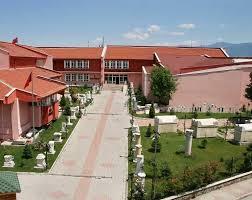
Bolu Museum is an information center that showcases the city’s rich history stretching back thousands of years and its recent cultural heritage. The artifacts in the museum bear traces of many civilizations that once lived on Bolu’s soil, including the Phrygians, Romans, Byzantines, and Ottomans. By viewing these artifacts, we learn about the lifestyles, art, and beliefs of people from the past.
Time Travel
According to archaeological findings, the first settlements in the Bolu region began approximately 7,500 years ago (Chalcolithic Period, 5500–3000 BCE). This indicates that Bolu has a very long history of continuous habitation.
Bolu Museum (Culture Portal)
When Was the Museum Established?
Initial efforts to preserve and display historical artifacts from Bolu and its surroundings began in 1975. The museum opened to the public in 1981 in its current building within the Cultural Site. The museum consists of two main sections: the Archaeology Hall and the Ethnography Hall.
What Is in the Archaeology Hall?
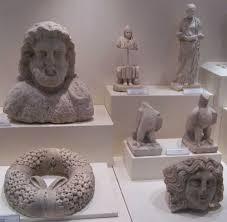
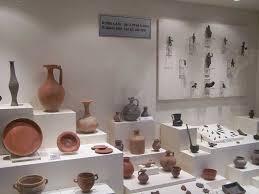
This hall displays artifacts unearthed from ancient periods, presented in chronological order from the Neolithic Period (New Stone Age) through the Roman and Byzantine eras. Exhibits include marble statues, glassware, metal tools, and ceramic vessels. Notable highlights include significant Roman-era statues such as the Statue of Heracles and the Bust of Hermes. Additionally, a brick tomb specimen, complete with skeletal remains and burial offerings recovered from ancient graves, is also on display.
Bolu Museum (Culture Portal)
What Does the Ethnography Hall Reveal?
Ethnography studies the daily life and culture of a region. This hall presents the recent historical way of life in Bolu. Exhibits include reconstructed interiors of traditional Bolu homes—such as kitchens and living rooms—alongside local handicrafts, items used in henna nights, jewelry, weapons collections, and textiles. These artifacts help us understand the traditions and lifestyle of the people of Bolu.
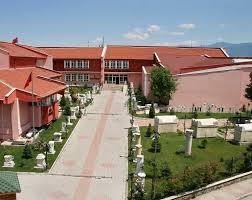
Bolu Museum (Culture Portal)
Museum Garden
Outside the museum building, in the garden, large Roman-era tombstones (sarcophagi and stelae), pedestals that once supported statues, and architectural fragments are displayed. Additionally, inscribed Ottoman-era tombstones can also be seen in this area.