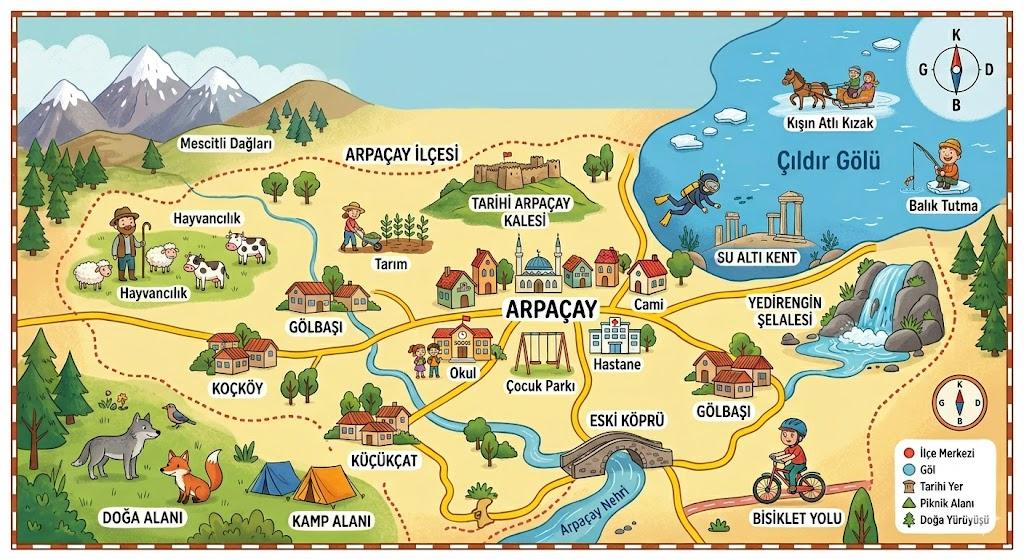
Arpaçay (District)
Arpaçay is a charming district隶属于 the province of Kars in Eastern Anatolia. It derives its name from the Arpaçay River, which flows immediately alongside its border. It is a uniquely special place awaiting discovery, both for its natural beauty and its thousands of years of history.
Where Is Arpaçay and What Kind of Place Is It?
Arpaçay is one of the easternmost districts of Türkiye and shares a border with Armenia. It is situated at a high altitude, in a cool, plateau-like region. Summers are mild and pleasant, while winters are covered entirely in thick white snow, with snow depth sometimes reaching half a meter. Surrounding the district are high mountains such as Kısır Dağı and Gökdağ. Part of the famous Çıldır Gölü also lies within the district’s boundaries. Arpaçay is approximately 39 kilometers from the city center of Kars and can be reached by car in 30 minutes.
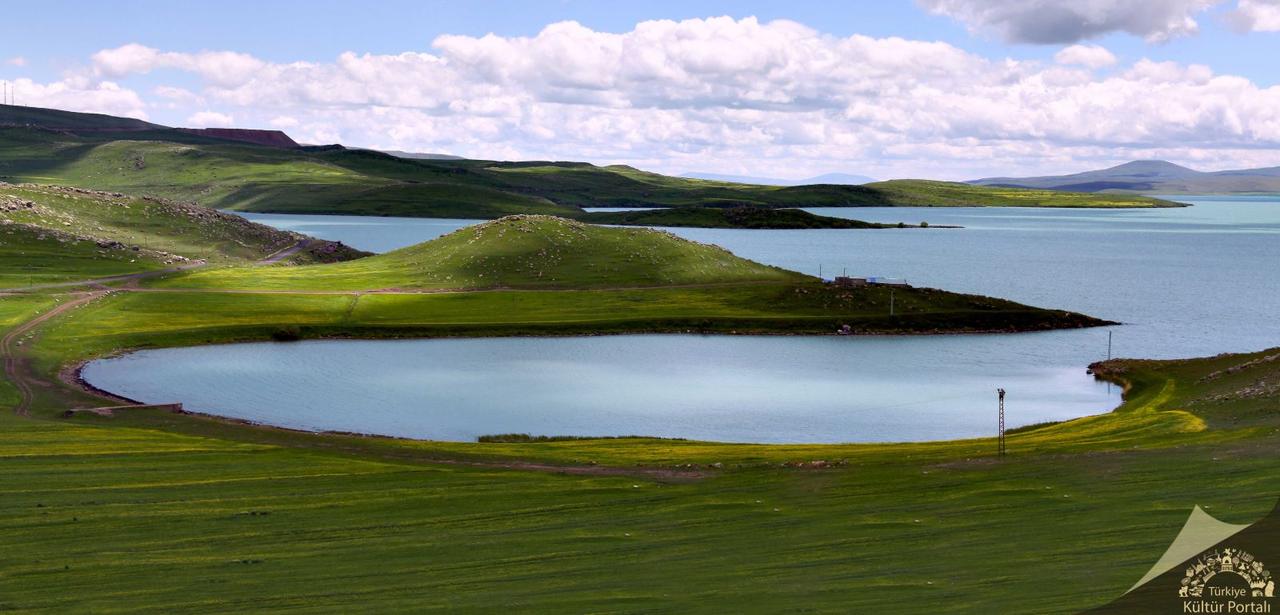
Çıldır Gölü (Kültür portali)
What Do People Do Here?
The main livelihood of the people living in Arpaçay is livestock farming and agriculture. In villages, milk and cheese production are common. Barley, wheat and grass are cultivated in fields to feed livestock. Another important tradition here is carpet weaving. Colorful Arpaçay carpets, decorated with traditional Caucasian motifs, are woven in nearly every village. These carpets are dyed entirely with natural pigments. Additionally, the delicious goose meat associated with Kars is also very common here.
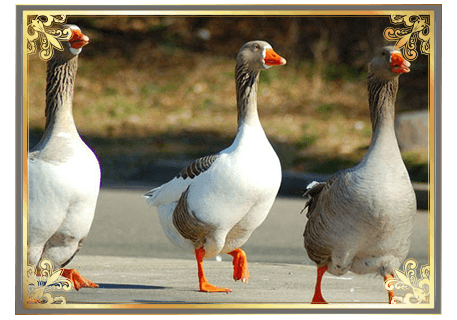
Arpaçay Kazı (Arpaçay Kaymakamlığı)
What Can Be Done in Arpaçay?
One of the most exciting destinations for visitors to Arpaçay is the Kütük Ev on the shores of Çıldır Gölü. In summer, you can take boat tours on the lake, and in winter, you can walk across its completely frozen surface. In fact, one of the most enjoyable activities here is taking horse-drawn sleigh rides on the ice.
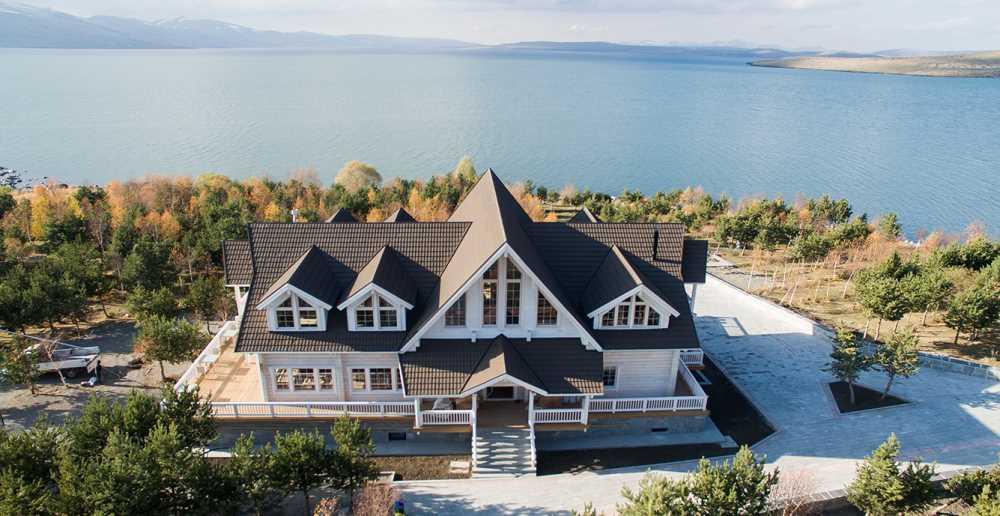
Kütük Ev (Kültür Portali)
Time Travel
The history of Arpaçay and Kars dates back to ancient times. The region’s earliest known inhabitants were the Hurrians, who came from Central Asia. In 1064, Seljuk Sultan Alp Arslan conquered this region, bringing it under Turkish control. The town remained part of the Ottoman Empire for a long time. Although it briefly came under Russian control, it was fully reclaimed on 30 October 1920 by the army commanded by Kazım Karabekir Paşa during the War of Independence.