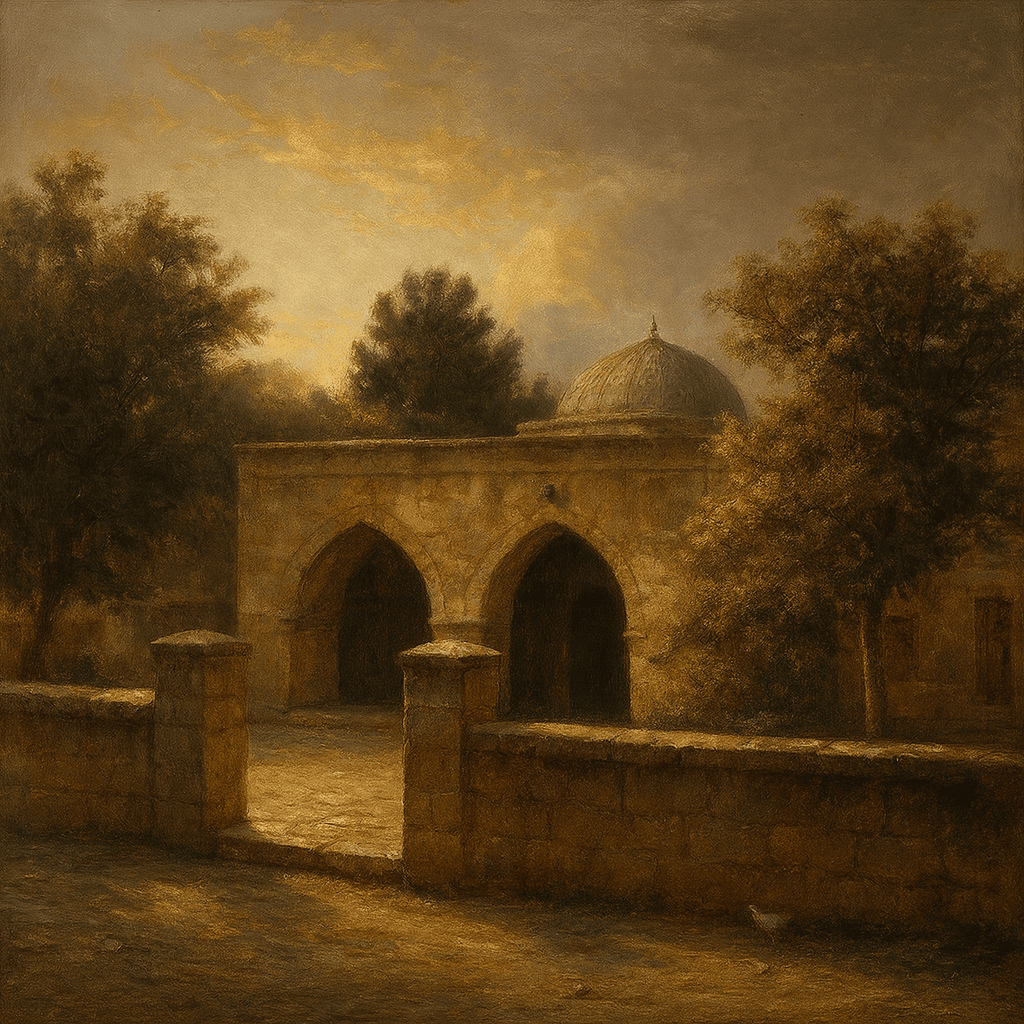


Abuzer Gaffari Türbesi
Abu Dharr al-Ghifari is recognized as one of the important companions in Islamic history. According to traditions, he was born in the village of Ghazya near Medina. Some sources state that he served as a standard-bearer for the Islamic army during the time of Caliph Ali, or that he was martyred during the campaign in Iran under Caliph Umar. For this reason, the tomb in Adıyaman is believed to be his resting place. One of his most famous sayings is: “A Muslim cannot be said to have two shirts.”
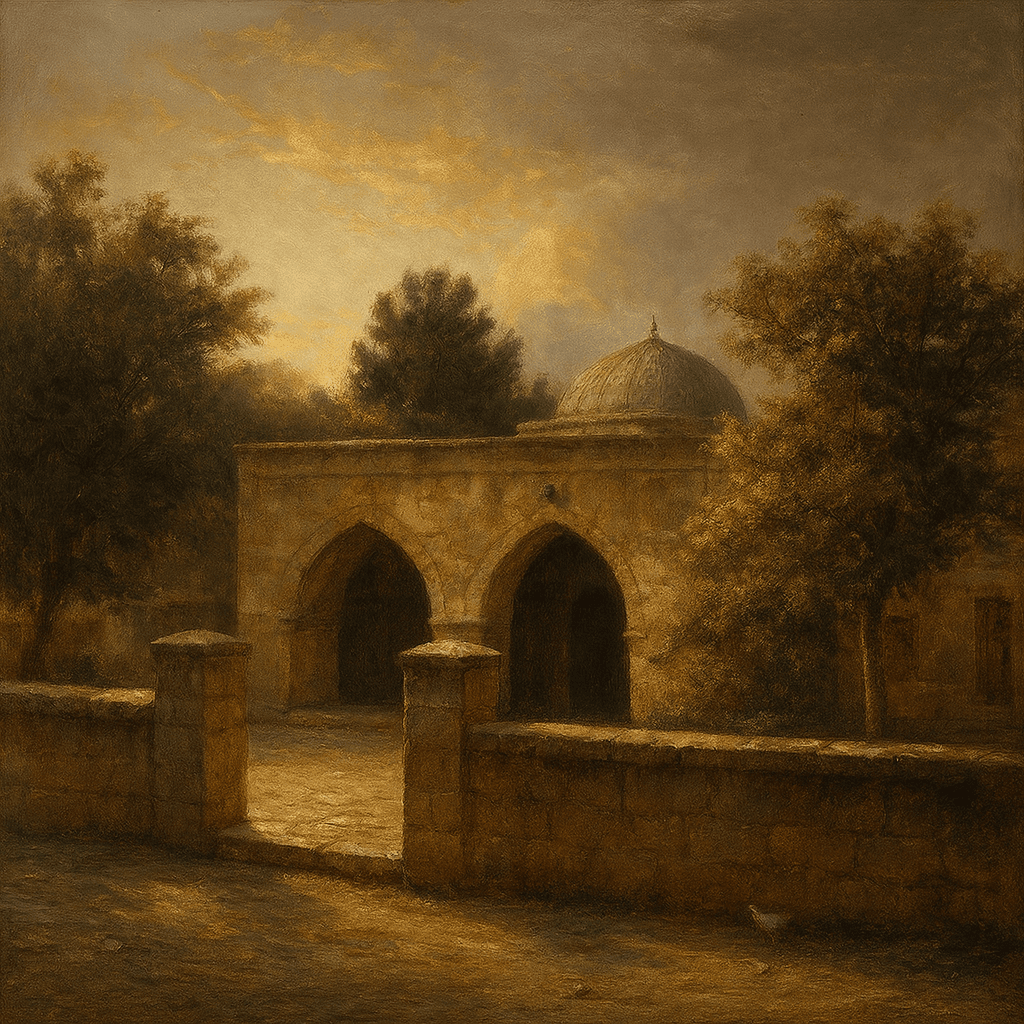
(Generated by Artificial Intelligence)
Where is the Tomb?
The Abu Dharr al-Ghifari Tomb is located in Ziyaret (Payamlı) Village, approximately five kilometers from the center of Adıyaman. It is one of the most well-known pilgrimage sites in Adıyaman. It is said that the tomb was built by Ottoman Sultan IV. Murat during his return from the Baghdad Campaign between 1623 and 1639. A small mosque stands beside the tomb.
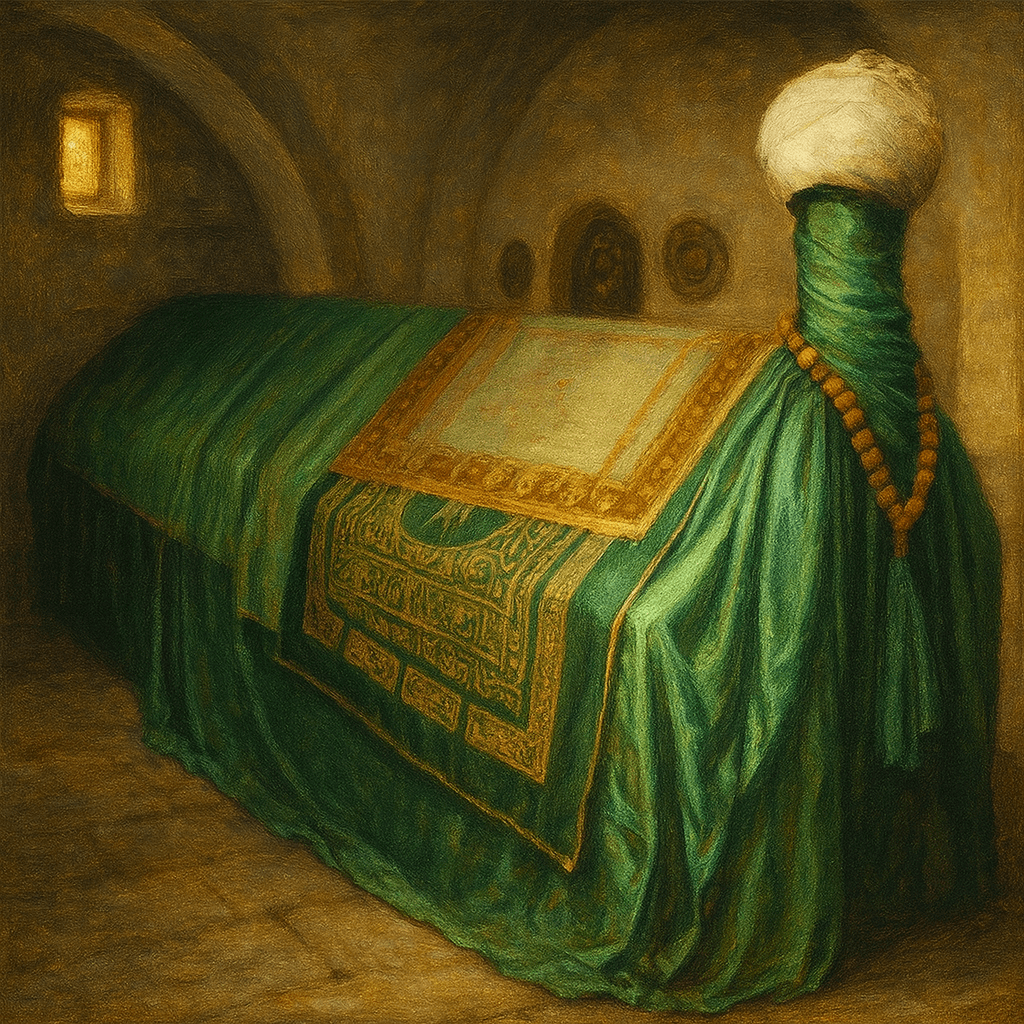
(Generated by Artificial Intelligence)
Features of the Tomb
An inscription dated H. 1136 (M. 1723–1724) is located above the tomb’s entrance. Inside lies a sarcophagus believed to contain the remains of Abu Dharr al-Ghifari. It is reported that the adjacent mosque was commissioned by Sheikh Abdurrahman. Over time, the tomb has undergone various repairs. In 2007, the Adıyaman Municipality carried out landscaping around the site.
Significance Among the Local Population
The Abu Dharr al-Ghifari Tomb is visited by local people during weddings, circumcisions, and special occasions. Brides and grooms, as well as children about to be circumcised, are brought to the tomb where prayers are offered. The Ziyaret Stream flowing nearby and the surrounding greenery have made the area a distinctive attraction.
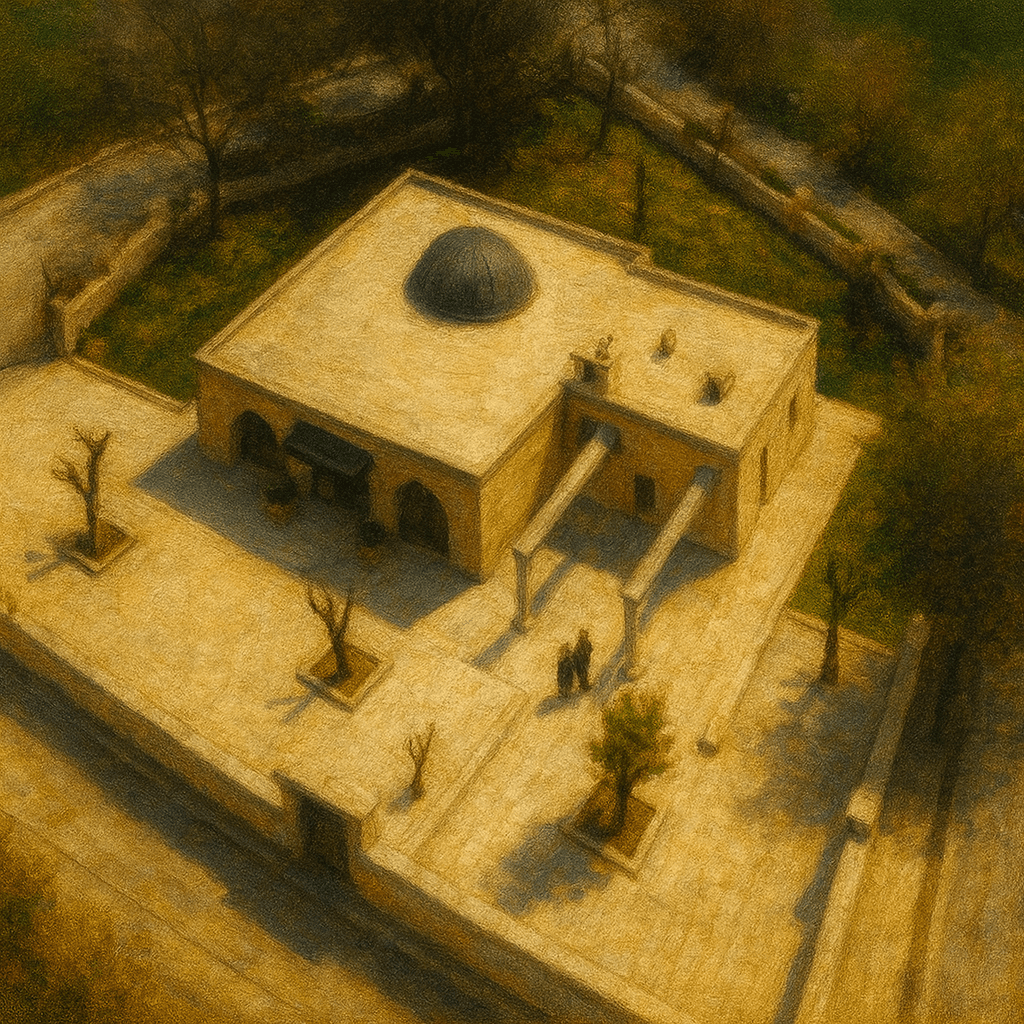
(Generated by Artificial Intelligence)